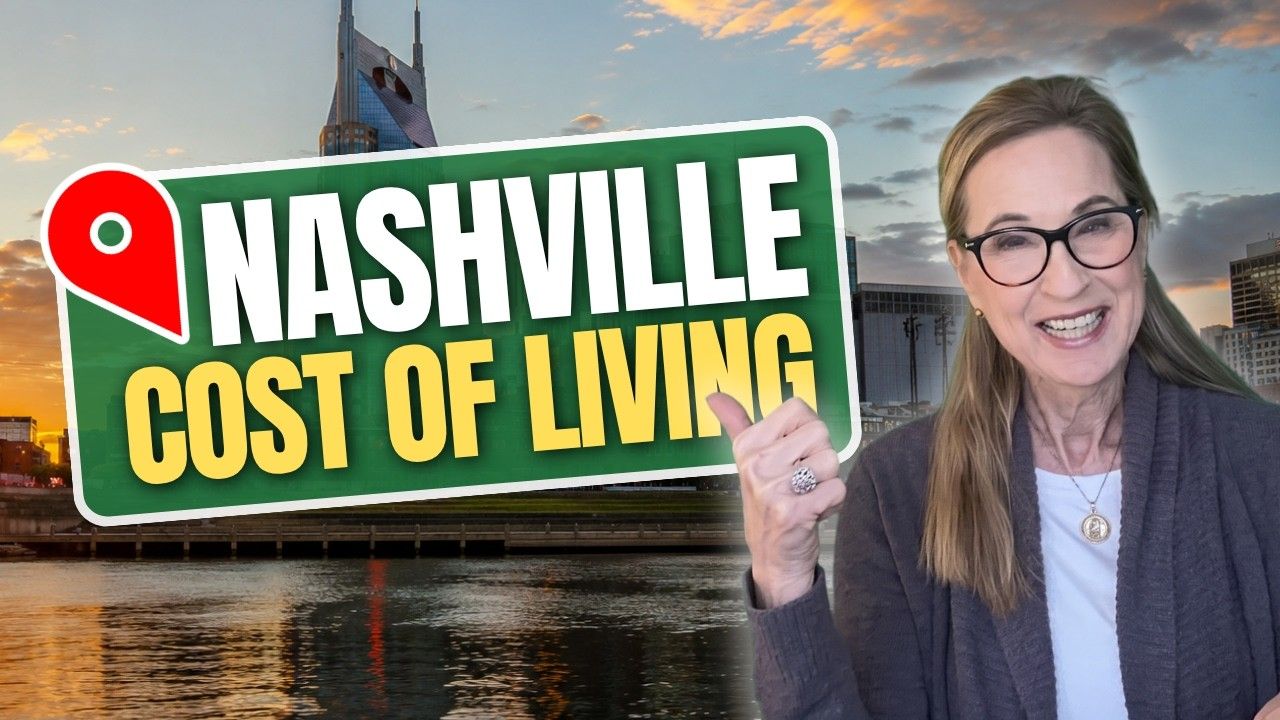
Nashville Regrets: 9 Downsides Before You Move to Music City


Thinking of moving to Nashville, Tennessee? While Music City offers charm, jobs, and hospitality, this post, inspired by Living In Nashville Tennessee [The Original!!]'s video, reveals 9 critical reasons you might regret your relocation, from traffic and rising costs to overcrowding and unpredictable weather. Dive in to avoid unexpected surprises and make an informed decision.


Nashville, Tennessee – the very name conjures images of vibrant live music, legendary honky-tonks, delicious Southern cuisine, and a booming economy. It’s no wonder so many people are drawn to Music City, dreaming of a life filled with rhythm and opportunity. From aspiring musicians to families seeking new beginnings, Nashville’s appeal is undeniable.

However, like any rapidly growing urban center, Nashville comes with its own set of challenges. Before you pack your bags and head south, it’s crucial to look beyond the glittering facade and understand the realities of daily life. The team at Living In Nashville Tennessee [The Original!!] has insightfully highlighted nine significant reasons why some people might come to regret their move to this beloved city. Let’s explore these potential pitfalls so you can make a truly informed decision.


1. Traffic Nightmares: The Price of Popularity

Nashville's growth has been explosive, and while that brings economic prosperity, it also brings a significant increase in vehicles on the road. What used to be a manageable commute can now feel like an endless crawl, especially during peak hours. Major interstates like I-65, I-40, and I-24 often become parking lots, and even surface streets struggle to keep up with the volume.

If your vision of Nashville life involves quick trips across town, prepare for a dose of reality. The city’s infrastructure, despite ongoing efforts, is constantly playing catch-up with its burgeoning population. This means more time in your car, higher fuel costs, and a constant test of your patience. For many, the daily grind of traffic becomes one of the most frustrating aspects of living in Nashville.


2. Soaring Cost of Living: Can You Afford Music City?

Southern charm often comes with an expectation of affordability, but Nashville has steadily moved away from that perception. The cost of living, particularly housing, has skyrocketed in recent years. What was once considered a relatively inexpensive place to buy a home or rent an apartment has become competitive, with prices comparable to, or even exceeding, some larger metropolitan areas.

Unless you're moving to Nashville with a high-paying job in a specialized industry, you might find your budget stretched thin. Everything from groceries to entertainment can feel more expensive than anticipated. This rapid increase in expenses can be a shock for newcomers, especially those coming from less competitive markets. For a deeper look into the financial landscape, especially at the higher end, you might be interested in Where Do NASHVILLE Tennessee Ultra WEALTHY Live? | Nashville's Most EXPENSIVE Zip Codes!!, which highlights just how much housing costs can vary.


3. Overcrowding and Growing Pains

Nashville's popularity is a double-edged sword. While it’s exciting to live in a city buzzing with new businesses and cultural events, it also means more people vying for the same resources. Restaurants are packed, popular attractions are swarmed, and even local parks can feel crowded on a nice day.

This sense of overcrowding can erode the small-town feel that many initially seek in Nashville. If you value tranquility and easy access to amenities without a crowd, the constant influx of new residents and visitors might become a source of frustration. The city is expanding, but the intimate community vibe of yesteryear is harder to find in the bustling core.


4. Tourist Overload: Living in a Vacation Hotspot

Music City thrives on tourism, but for residents, living in a constant tourist hotspot can have its downsides. Downtown Nashville, especially Broadway, is perpetually bustling with visitors. This means:

  • Higher Prices: Many businesses cater to tourists, leading to inflated prices for food, drinks, and souvenirs.
  • Limited Local Access: Popular spots can be difficult to enjoy as a local due to crowds and long waits.
  • Traffic Congestion: Tourist buses, ride-shares, and pedestrians further contribute to downtown traffic and parking challenges.

While the energy is infectious, the constant stream of visitors can make simple errands or a night out feel like navigating a theme park. It can be challenging to find quiet local spots that aren't impacted by the tourist economy, forcing residents further out into the suburbs for a sense of normalcy.


5. Weather Woes: More Than Just Sunshine

Tennessee weather is often described as unpredictable, and Nashville is no exception. While you’ll enjoy beautiful spring and fall days, be prepared for extremes:

  • Hot, Humid Summers: Nashville summers are notoriously hot and humid, with temperatures often soaring into the 90s (Fahrenheit) with high dew points, making outdoor activities uncomfortable.
  • Mild but Unpredictable Winters: Winters are generally mild but can swing dramatically. You might experience a few days of freezing rain or even snow, often followed by a sudden warm-up, leading to icy conditions one day and spring-like temperatures the next.
  • Severe Weather: The region is prone to severe thunderstorms, tornadoes, and flash flooding, especially during spring. Staying weather-aware is a necessity.

If you're not a fan of intense humidity or rapidly changing conditions, Nashville's climate might be a tough adjustment. It's not all sunny guitar-strumming weather.


6. Limited Public Transit: A Car-Centric City

Unlike many major cities, Nashville's public transportation system is still developing and isn't as robust as many newcomers might expect. While there are bus routes, they don’t cover all areas comprehensively, and frequency can be an issue, especially outside of core neighborhoods.

For most residents, a car is an absolute necessity. Relying solely on public transit, ride-sharing, or cycling can be challenging, particularly if you live in the sprawling suburbs or need to commute to different parts of the metro area. This means factoring in car payments, insurance, fuel, and parking into your budget and daily life.


7. Crime Concerns: Understanding the Urban Landscape

Like any growing city, Nashville faces its share of crime challenges. While downtown and major tourist areas are generally well-patrolled, it's important to be aware of your surroundings, especially in certain neighborhoods or late at night. Property crime, including car break-ins, is a common issue, and violent crime rates, while varying by area, are a reality of urban living.

It's crucial to research specific neighborhoods and understand local crime statistics before choosing where to live. Don't let the city's friendly reputation lull you into a false sense of security; vigilance and common sense are always recommended. Understanding the nuances of living in a rapidly changing city like Nashville is key, and some of the broader challenges are even explored in 6 Reasons You MIGHT NOT SURVIVE Living in NASHVILLE TENNESSEE in 2026!.


8. Job Market Competition: Beyond Music Row

Nashville's job market is often touted as booming, and it is, particularly in sectors like healthcare, technology, hospitality, and, of course, music. However, "booming" doesn't necessarily mean "easy to enter." The influx of new residents also means increased competition for desirable positions.

While there are many opportunities, finding a job that aligns with your skills and salary expectations can still be a challenge. Networking is vital, and sometimes a strong local connection can make all the difference. Don't assume that just because the city is growing, a perfect job will be waiting for you. Researching specific industry demands and company cultures before your move is highly advisable.


9. Urban Sprawl: The Search for Space and Affordability

As Nashville’s core becomes more expensive and crowded, many residents are pushed further out into the surrounding suburbs and exurbs to find affordable housing and more space. This leads to significant urban sprawl, where communities extend far beyond the city limits.

Living in these outer rings often means longer commutes into the city for work, entertainment, or even essential services. While you might find a larger home for your budget, you could sacrifice proximity and easy access to the vibrant city life that initially attracted you to Nashville. Understanding future developments is also crucial for long-term planning, and [5 GROUNDBREAKING Changes Coming to NASHVILLE Tennessee in 2026 [Don't Miss Out!]](https://www.youtube.com/watch?v=a4314N1nqz8) provides valuable insights into what's on the horizon for the city.

📷 View Image: city skyline near body of water during daytime


Making an Informed Decision

Nashville is a fantastic city with undeniable charm, a thriving culture, and a welcoming spirit. However, it's essential to approach any big move with open eyes and a realistic understanding of both the pros and cons. The challenges of traffic, rising costs, overcrowding, and other urban issues are not unique to Nashville, but their intensity in a rapidly evolving city can catch newcomers off guard.

By considering these nine potential reasons for regret, you can better prepare yourself for what living in Music City truly entails. Do your research, visit the city multiple times, talk to locals, and weigh these factors against your personal priorities and lifestyle preferences. An informed decision is a happy decision, ensuring your Nashville story is one of joy, not regret.


Frequently Asked Questions (FAQ)

Q: Is Nashville still affordable compared to other major U.S. cities?

A: While Nashville might still be more affordable than some coastal giants like New York or San Francisco, its cost of living, especially housing, has risen significantly in recent years. It's no longer the budget-friendly Southern city it once was, often rivaling or exceeding costs in other mid-sized metros. It's crucial to compare specific expenses to your current location and income.

Q: How bad is Nashville traffic really?

A: Nashville traffic can be quite challenging, particularly during rush hours on major interstates (I-65, I-40, I-24) and key arterial roads. The city's rapid growth has outpaced infrastructure development, leading to frequent congestion. Commutes that seem short on a map can easily double or triple in duration during peak times, making a car a necessity for most residents.

Q: What are the main challenges of moving to Nashville?

A: The primary challenges for newcomers often include adapting to the heavy traffic, managing the rising cost of living (especially housing), dealing with the increased crowds and tourist activity, navigating the limited public transportation options, and adjusting to the hot, humid summers and unpredictable severe weather.

Q: Is public transportation a viable option in Nashville?

A: For most residents, relying solely on public transportation in Nashville is not a viable option. While there is a bus system (WeGo Public Transit), it doesn't cover all areas comprehensively, and routes and frequencies can be limited outside the downtown core. A personal vehicle is generally considered essential for daily commuting and getting around the wider metro area.

Q: What kind of weather should I expect in Nashville?

A: Nashville experiences four distinct seasons, but with some extremes. Summers are typically hot and very humid, with temperatures often in the 90s°F. Winters are generally mild but can be unpredictable, with occasional freezing temperatures, ice, or light snow. Spring and fall offer pleasant weather, but the region is prone to severe thunderstorms and tornadoes, particularly in the spring.


Making Your Move Easier


Moving forward does not have to be overwhelming. With the right guidance and support, you can navigate this journey smoothly. Our team is ready to help you every step of the way.

Here's how to get in touch:

📧 Email: susan@susanthetford.com

📞 Phone: 629.280.2622

💻 YouTube: [Living In Nashville Tennessee [The Original!!]](https://www.youtube.com/channel/UCjGn81xP5XNqWnBquNk7FoQ)




Winter covered in snow in Nashville Tenn area
A woman in a blue shirt and blue cardigan is smiling in front of a brick wall.

Susan  Thetford

As a Nashville native, real estate agent, and retired general contractor, I bring a unique perspective to home buying and selling. My background allows me to help clients understand a home’s true potential, costs, and value—beyond what meets the eye.


With my mother-daughter real estate team, we provide a seamless, client-first experience with personalized service and expert guidance.
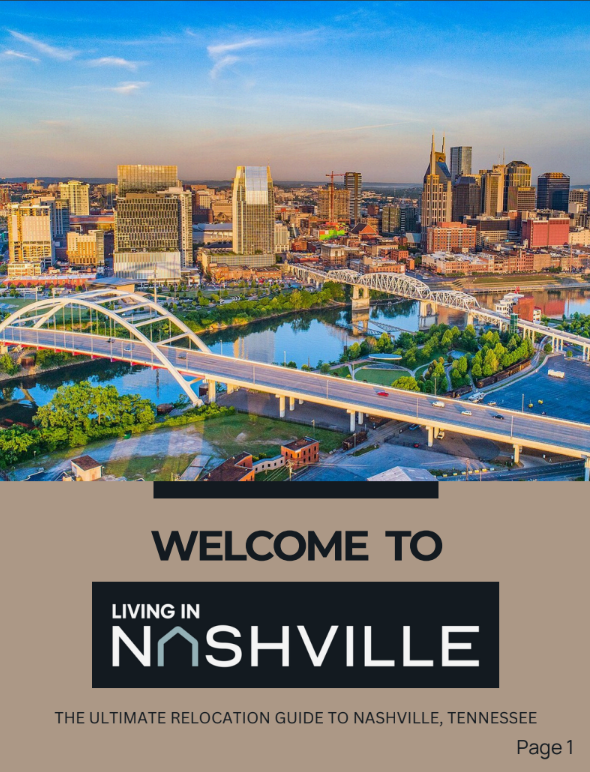
RELOCATION GUIDE

A relocation guide to nashville , tn by susan thatford
DOWNLOAD

LATEST VIDEO

WATCH MORE
By Claire Monville May 1, 2026
Buying a new construction home in Nashville or Middle Tennessee requires careful navigation to avoid common and costly pitfalls. This guide reveals 7 critical mistakes homebuyers often make, from skipping agent representation to overlooking hidden costs, ensuring you save time, stress, and thousands of dollars. Nashville, Tennessee, is booming! From the vibrant music scene to its thriving job market, it’s no wonder so many people are drawn to Music City, whether they’re relocating from California, Chicago, New York, or simply moving across town to Hendersonville or Mount Juliet. This growth has fueled an explosion in new construction, with beautiful communities springing up in Franklin, Brentwood, and across Middle Tennessee. The allure of a brand-new home, customized to your taste, is undeniably strong. However, the dream of a pristine new home can quickly turn into a financial nightmare if you're not armed with the right knowledge. Many homebuyers, swept up in the excitement, make critical mistakes that cost them thousands of dollars and untold stress. This comprehensive guide, inspired by insights from seasoned Nashville real estate experts, is designed to arm you with the information you need to navigate the new construction market successfully. The Allure and The Pitfalls of Nashville New Construction Middle Tennessee offers a diverse range of new construction opportunities, from sprawling suburban estates to modern urban townhomes. The promise of fresh starts, modern amenities, and energy efficiency is a powerful draw. But behind the glossy brochures and beautifully staged model homes lie potential traps for the unwary buyer. Understanding these pitfalls before you begin your search is paramount. While Nashville's growth brings exciting opportunities, it's also important to be aware of the challenges. If you're considering a move, you might want to delve into The DARK SIDE of Living in NASHVILLE Tennessee in 2026! to get a balanced perspective on what life in the city entails beyond the new homes. 7 Critical Mistakes When Buying New Construction in Middle Tennessee Let's pull back the curtain on the Music City lifestyle and reveal the seven mistakes that could cost you dearly: Mistake #1: Walking into a Model Home Without Your Agent This is arguably the most crucial mistake. Builders often require you to register upon your first visit. If you walk in without your own real estate agent, you might inadvertently forfeit your right to independent representation. A builder's sales agent represents the builder's interests, not yours. Your agent, on the other hand, is your advocate, helping you negotiate, understand contracts, and protect your best interests throughout the entire process. Don't let the excitement of a beautiful model home cost you valuable professional guidance. Mistake #2: Falling for the Model Home "Fluff" vs. Base Price The model home is designed to dazzle, showcasing every available upgrade and premium finish. It's easy to fall in love with granite countertops, designer lighting, and custom cabinetry. However, these features are rarely included in the advertised "base price." The reality is that the base price typically covers the most basic finishes, and the model home often represents a 20-45% increase in cost due to upgrades. Understand exactly what's included and what's an extra before you get emotionally invested. Mistake #3: The Truth About Builder-Preferred Lenders Builders often incentivize you to use their "preferred lenders" with promises of credits or reduced closing costs. While these offers can be tempting, it's essential to shop around. A preferred lender may not always offer the most competitive interest rates or terms. Get quotes from at least two independent lenders to compare. Sometimes, the savings from a better interest rate over the life of the loan far outweigh any upfront credits from a builder's lender. Always do your due diligence and remember that a lower interest rate can significantly impact your long-term financial health. Mistake #4: Skipping the Independent Home Inspection "It's brand new, why do I need an inspection?" This is a common and dangerous misconception. New homes can, and often do, have defects. From plumbing issues and electrical miswirings to HVAC problems and structural concerns, an independent home inspection is absolutely mandatory. A qualified inspector works for you, identifying potential issues before closing, giving you leverage to demand repairs or compensation from the builder. Skipping this step is a gamble with your biggest investment. Mistake #5: 3 Traps Hiding in Builder Contracts Builder contracts are complex legal documents heavily skewed in the builder's favor. Here are three common traps: Earnest Money: Understand the conditions under which your earnest money can be forfeited. Builders often have clauses that make it difficult to get your deposit back if you back out, even for legitimate reasons. Material Substitutions: Many contracts allow builders to substitute materials of "equal or greater value" without your explicit approval. This could mean a different brand of appliance or a slightly altered finish than what you originally chose. Completion Dates: Be wary of vague or overly flexible completion dates. Delays are common in new construction, but an open-ended clause can leave you in limbo indefinitely. Your agent can help you understand and, where possible, negotiate these terms. If you're new to the area and still exploring options, understanding the nuances of different communities is key. For a broader perspective on living in the area, you might find 5 WORST Places to LIVE in Nashville Tennessee in 2026! insightful, as it emphasizes the importance of thorough research before committing to any location, new construction or otherwise. Mistake #6: Not Checking the Master Development Plan (The Farm Trap) What's next door? What's across the street? Builders often have master development plans that outline future phases of construction, commercial developments, or even public infrastructure. That beautiful view of an open field might one day be a shopping center or another housing development. Always ask to see the master plan and understand the long-term vision for the community. Future construction could impact your property value, noise levels, and even traffic. Mistake #7: Letting Emotions Drive Design Center Upgrades The design center is where your vision comes to life, but it's also where budgets often go to die. With so many tempting choices – upgraded flooring, custom backsplashes, fancy fixtures – it's easy to get carried away. Set a strict budget for upgrades before you go, and prioritize what truly matters. Focus on upgrades that are difficult or expensive to change later (like structural elements or high-quality flooring) rather than easily replaceable items like light fixtures. Bonus Tip: The "Impossible to Change" Upgrade List This might be the most important factor for your long-term property value and satisfaction. When considering upgrades, think about what's virtually impossible or incredibly expensive to change once the house is built. These include: Structural Changes: Adding rooms, changing layouts, or altering ceiling heights. Electrical & Plumbing Relocations: Moving outlets, switches, or plumbing lines after the walls are up. High-Quality Windows & Insulation: These impact energy efficiency and comfort for decades. Premium Flooring: While not impossible, replacing an entire house's flooring is a massive undertaking and expense. Foundation & Drainage: Critical for the home's integrity and often overlooked. Invest in these "impossible to change" items upfront if your budget allows. They offer the greatest return on investment and contribute significantly to the long-term value and comfort of your new Nashville home. Your Nashville New Construction Journey Buying a new construction home in Nashville can be an incredibly rewarding experience, offering you a personalized living space in one of America's most dynamic cities. But it's a journey that demands preparation, patience, and professional guidance. By avoiding these common mistakes, you'll be well on your way to securing your dream home without the unexpected costs and headaches. Remember, knowledge is power, especially when making such a significant investment. Empower yourself with information, partner with a trusted real estate professional, and enjoy the exciting process of building your future in Middle Tennessee. Frequently Asked Questions (FAQ) Q: Why is having a real estate agent crucial for new construction, even when a builder has their own sales team? A: A builder's sales team represents the builder's interests, not yours. An independent real estate agent works exclusively for you, providing unbiased advice, negotiating on your behalf, helping you understand complex contracts, and ensuring your rights are protected throughout the entire new construction home buying process. Q: How much more expensive can a model home be compared to the base price? A: Model homes are typically loaded with upgrades and premium finishes that are not included in the base price. It's common for the final cost of a home with similar features to the model to be 20-45% higher than the advertised base price. Always ask for a detailed breakdown of what is included in the base price versus what is an upgrade. Q: Should I use a builder's preferred lender to get incentives? A: While builder incentives can be attractive, it's crucial to shop around. Always compare interest rates, fees, and terms from at least two independent lenders in addition to the builder's preferred lender. Sometimes, the long-term savings from a more competitive interest rate outweigh any upfront credits offered by the builder. Q: Is a home inspection necessary for a brand-new house? A: Absolutely yes. Even new construction homes can have defects or issues, ranging from minor cosmetic flaws to significant structural, plumbing, or electrical problems. An independent home inspection provides a detailed report of any deficiencies, allowing you to request repairs from the builder before closing and protecting your investment.  Making Your Move Easier Moving forward does not have to be overwhelming. With the right guidance and support, you can navigate this journey smoothly. The team is ready to help you every step of the way. Here's how to get in touch: 📧 Email: susan@susanthetford.com 📞 Phone: 629-280-2622 💻 YouTube: [Living In Nashville Tennessee [The Original!!]](https://www.youtube.com/channel/UCjGn81xP5XNqWnBquNk7FoQ)
By Claire Monville April 24, 2026
Nashville, while charming, presents real challenges for new residents in 2026. This post explores the frustrating realities of traffic, escalating cost of living, unique tax structures, tourist-dominated downtown, unpredictable weather, and the crucial impact of neighborhood choice on daily life and schools. Nashville. The very name conjures images of vibrant music, delicious hot chicken, and a charming Southern hospitality that seems to welcome everyone. It’s a city that has captivated hearts, drawn in dreamers, and seen unprecedented growth over the past decade. If you're considering moving to Nashville in 2026, you've likely seen the glossy, Instagram-perfect portrayals – the "best of" lists that highlight its undeniable appeal. But what about the other side of the coin? What about the daily realities that residents face, the nuances that aren't quite as photogenic? This isn't to say Nashville isn't a wonderful place. For many, it's home, a community where families thrive and dreams are pursued. However, the version of Nashville you actually live in can be strikingly different from the one sold in travel brochures. It’s a city of contrasts: beautiful and frustrating, complicated and charming, all at once. Let's pull back the curtain and explore the less-talked-about aspects – the "dark side," if you will – of living in Nashville, Tennessee, in 2026, so you can make an informed decision about your future here. Navigating the Concrete Jungle: Nashville's Traffic Woes One of the first realities many newcomers confront is Nashville's notorious traffic. Our highway interchanges can feel like a labyrinth designed by a madman during rush hour, and the rapid growth has only exacerbated the issue. What was once a manageable commute can now easily add significant time to your day. The Driving Culture and Public Transit Gap Beyond the sheer volume of cars, Nashville has a distinct driving culture. Drivers can be aggressive, and navigating multi-lane highways requires constant vigilance. Adding to the challenge is the limited public transit system. While efforts are continually being made to improve it, it's not yet robust enough to serve as a primary commuting solution for most residents, especially those living outside the immediate urban core. This means that for many, a car isn't just a convenience; it's a necessity. So, how do you survive the commute? Many locals structure their lives strategically. This might mean living closer to work, adjusting your work hours to avoid peak times, or exploring less-traveled back roads. Understanding your route and potential bottlenecks before you commit to a neighborhood is absolutely crucial. If traffic is a major concern, you might want to delve deeper into the daily grind by watching DON’T Move to NASHVILLE Tennessee UNLESS YOU CAN Handle These… (9 Things) , which covers some of these practical considerations. The Soaring Cost of Living: From Gem to Pricey Paradise Nashville was once known as a budget-friendly Southern gem. Those days, for the most part, are a distant memory. The influx of new residents, coupled with a booming economy, has dramatically reshaped the housing market. What used to be an affordable apartment can now easily command $2,000 a month or more, even for modest spaces. The cost of buying a home has also skyrocketed, with bidding wars and escalating prices becoming the norm. This isn't just about downtown; the ripple effect has spread to surrounding neighborhoods, making it challenging for long-time residents and newcomers alike to find affordable housing. Understanding this shift is vital for anyone planning a move. For a detailed breakdown of what your budget will really look like, check out The Truth About COST of Living in NASHVILLE Tennessee 2026! . The Tax Trade-off: Sales Tax vs. Income Tax Tennessee famously has no state income tax, which is a huge draw for many. However, this isn't a free pass. The state balances its budget with a relatively high sales tax of 9.25% (combining state and local rates in Davidson County). For some, this trade-off works in their favor, particularly high-income earners who save significantly by not paying state income tax. For others, especially those on a tighter budget or who spend a lot on consumer goods, that 9.25% can add up quickly on nearly every purchase. It's a system that benefits some more than others, and it's essential to factor this into your personal financial planning. Consider your spending habits and income level to determine if this tax structure truly benefits your bottom line. The Tourism Takeover and Where Locals Actually Go Nashville's reputation as Music City draws millions of tourists each year, and while this fuels the economy, it also profoundly impacts the local experience. Downtown Nashville, particularly Broadway, is a vibrant, bustling hub of honky-tonks and tourist attractions. However, you'll rarely find a local hanging out there unless they're working or entertaining out-of-town guests. The "real" Nashville community, the places where locals gather, eat, and socialize, are found in the city's diverse neighborhoods. Think areas like: East Nashville: Known for its eclectic vibe, independent boutiques, live music venues, and thriving food scene. 12 South: A trendy, walkable neighborhood with upscale shops, popular eateries, and coffee spots. Germantown: Historic charm meets modern dining, with beautiful architecture and acclaimed restaurants. The Gulch: A sleek, urban district offering chic boutiques, award-winning restaurants, and vibrant nightlife, popular with younger professionals. Sylvan Park/Sylvan Hills: Residential areas with a strong community feel, local parks, and charming neighborhood restaurants. These are the places where the city’s heart truly beats, away from the bachelorette parties and souvenir shops. If you're looking to integrate into the local fabric, exploring these neighborhoods is key. You might also find it helpful to research specific areas further, as explored in 5 WORST Places to LIVE in Nashville Tennessee in 2026! , to understand what to avoid and what to seek out for a truly local experience. Weathering the Storm: Humidity and Tornado Country Nashville's weather can be a bit of a shock for those unaccustomed to the South. Summers are long, hot, and humid. The humidity is often more challenging than the temperature itself, making even moderate heat feel oppressive. Prepare for air conditioning to be your best friend from May through September. Beyond the humidity, Nashville is located in "tornado country." While severe tornadoes are relatively rare, the threat of strong storms and occasional tornado warnings is a reality during spring and fall. Being prepared means having a plan, knowing where to seek shelter, and staying informed during storm season. Most homes are built with this in mind, and local news provides excellent, timely warnings. And then there's the "snow panic." When even a few inches of snow are forecast, the city tends to shut down. Schools close, roads become challenging, and grocery store shelves are often emptied. While it doesn't happen frequently, it's a unique aspect of Nashville life that can catch newcomers off guard. The Truth About Crime and the Importance of Your Zip Code When researching any new city, crime statistics are often a concern. In Nashville, the truth about crime is nuanced and highly neighborhood-dependent. Like any growing metropolitan area, Nashville has its share of crime, but generalizations can be misleading. What you hear or read might not reflect the safety of the specific neighborhood you're considering. It's crucial to look beyond city-wide averages and research crime stats for individual areas. Your real estate agent will be an invaluable resource in understanding the safety profiles of different communities. This brings us to another critical point: your zip code. Nashville Schools: A Zip Code Decision For families, the decision of where to live in Nashville often hinges on schools. The quality of public schools can vary significantly from one zip code to another, and this directly impacts property values and your children's educational future. Many families prioritize living in areas with highly-rated schools, which can, in turn, drive up demand and housing costs in those specific districts. Understanding the school landscape, researching individual school ratings, and considering private school options are all part of the relocation process for families. Your zip code isn't just an address; it's a gateway to community resources, school quality, and even your daily commute. Choosing wisely here is perhaps one of the most important decisions you'll make when moving to Nashville. The Political Landscape While not directly impacting daily amenities in the same way traffic or cost of living does, Nashville's political landscape is another facet of its reality. Tennessee is a largely conservative state, but Nashville itself is a more liberal-leaning urban center. This can lead to interesting dynamics and occasional friction between city and state policies. For newcomers, understanding the general political leanings of the city and state can help you anticipate the social and cultural environment you'll be entering. Is Nashville Still for You? So, is Nashville still the dream destination? Absolutely, for many. But it’s a dream best approached with open eyes and a clear understanding of its complexities. The city offers incredible opportunities, a vibrant culture, and a unique charm that keeps people coming. However, being prepared for the traffic, the evolving cost of living, the tax structure, the weather, and the importance of neighborhood choice will make your transition much smoother. Whether you're planning a move next week, in six months, or even a year from now, it's never too early to start gathering information and having those crucial conversations. Knowing the "dark side" isn't about deterring you; it's about empowering you to make the best, most informed decision for your future in Music City. Frequently Asked Questions (FAQ) Q: Is Nashville still affordable for newcomers in 2026? A: While Nashville was once considered affordable, rapid growth has significantly increased the cost of living, especially for housing. Rents for apartments can easily exceed $2,000/month, and home prices have risen sharply. It's crucial to budget carefully and research specific neighborhoods for options that align with your financial situation. Q: How bad is Nashville traffic, and are there ways to avoid it? A: Nashville's traffic is notoriously challenging, particularly during rush hour, due to rapid population growth and highway infrastructure. While public transit is improving, it's not a primary solution for most. Strategies to cope include living closer to work, adjusting commute times, or exploring alternative routes. A car is generally considered a necessity. Q: What's the deal with Tennessee's taxes – no income tax but high sales tax? A: Tennessee has no state income tax, which is appealing to many. However, it offsets this with a relatively high sales tax of 9.25% in Davidson County. This structure can benefit high-income earners but might impact those on tighter budgets more significantly due to higher costs on everyday purchases. Q: Where do locals hang out in Nashville, away from the tourist crowds? A: Locals tend to avoid the highly touristy downtown Broadway area. Instead, they frequent vibrant neighborhoods like East Nashville, 12 South, Germantown, The Gulch, and Sylvan Park for dining, shopping, and community events. These areas offer a more authentic Nashville experience. Q: How important is my zip code when considering schools in Nashville? A: Your zip code is extremely important for families considering a move to Nashville, as the quality of public schools can vary significantly by district. Choosing a neighborhood with highly-rated schools is a top priority for many, influencing property values and your children's educational opportunities. Thorough research into school districts i Making Your Move Easier Moving forward does not have to be overwhelming. With the right guidance and support, you can navigate this journey smoothly. The team is ready to help you every step of the way. Here's how to get in touch: 📧 Email: susan@susanthetford.com 📞 Phone: 629-280-2622 💻 YouTube: [Living In Nashville Tennessee [The Original!!]](https://www.youtube.com/channel/UCjGn81xP5XNqWnBquNk7FoQ)
By Claire Monville April 22, 2026
Thinking About Buying in an HOA? Read This First. That charming home with the pool, clubhouse, and perfectly maintained landscaping might feel like “the one.” But if it’s in a neighborhood with a Homeowners Association (HOA), there’s another layer you cannot afford to ignore. HOAs exist to protect property values and maintain standards—but not all HOAs are created equal. If you don’t ask the right questions upfront, you could end up dealing with: Unexpected costs Strict restrictions And way less control over your own property than you expected Let’s walk through the six questions you absolutely need to ask before you sign anything. 1. What Are the HOA Fees—and What Do They Actually Cover? HOA fees are mandatory —monthly or annual—and they can vary a lot. Some are a few hundred dollars a year. Others? Thousands. The key isn’t just the amount—it’s what you’re getting for it. Ask for specifics: What amenities are included? (pool, gym, clubhouse, etc.) Does it cover exterior maintenance—or just common areas? Are utilities like water, sewer, or trash included? Is there a master insurance policy? 👉 Don’t assume anything is “included.” That “free pool” might not be so free once you look closer. 2. How Often Do Fees Increase? HOA fees rarely stay the same. They typically go up over time to cover: Maintenance Insurance Repairs General cost increases What you want to know: How often have fees increased? By how much each time? Are increases predictable—or all over the place? 👉 Small, steady increases = usually well-managed 👉 Big, random jumps = possible red flag What feels affordable today may not feel that way in a few years. 3. Are There Any Special Assessments? This is where people get blindsided. A special assessment is an extra charge—sometimes thousands of dollars—when the HOA doesn’t have enough saved to cover a big expense. Common reasons: Road repairs Roof replacements Pool renovations Major community upgrades You need to ask: Are any assessments currently planned? Are there projects being discussed? Has a reserve study been done recently? 👉 A low HOA fee with frequent assessments? That’s usually not a good trade. 4. What Are the Rules About Changes or Renovations? This is where reality hits for a lot of buyers. HOAs can control things like: Paint colors Landscaping Fencing Additions (decks, sunrooms, etc.) Even holiday decorations And yes… you may need approval for things you wouldn’t expect. 👉 Want to paint your front door? 👉 Add a fence? 👉 Change your windows? You may need permission first. If you like full control over your home… this matters more than you think. 5. Are There Rental Restrictions? Even if you don’t plan to rent now—life happens. You might need that flexibility later. Common HOA rules include: No short-term rentals (Airbnb/VRBO) Minimum lease terms (6–12 months) Caps on how many homes can be rented Tenant approval processes 👉 Some HOAs limit rentals so much that you can’t rent at all. This can also affect resale—because investors will walk away. 6. What’s the HOA’s Financial Health? This is the big one. A well-run HOA should have: A solid reserve fund A balanced budget Ongoing maintenance (not deferred repairs) Ask for: HOA budget Reserve study Recent meeting notes 👉 Low reserves + lots of repairs = future costs coming your way A strong HOA protects your investment. A weak one? It can drain it. HOA Comparison: Good vs. Bad FeatureWell-Managed HOAPoorly Managed HOAFeesClear, predictableVague, inconsistentAssessmentsRare, plannedFrequent, unexpectedRulesClear and reasonableRestrictive, inconsistentRentalsDefined policiesConfusing or overly limitedFinancesStrong reservesLow reserves, deferred maintenanceExperienceSmooth, stableStressful, expensive Should You Buy in an HOA? An HOA might be a good fit if you: Want a clean, consistent neighborhood Love amenities like pools and clubhouses Prefer less maintenance Like structured communities It may NOT be for you if you: Want full control over your property Don’t want extra monthly costs Need rental flexibility Prefer fewer restrictions FAQs Can I negotiate HOA fees? No. They’re set by the association and apply to everyone. What documents should I review? CC&Rs (rules) Bylaws Budget Reserve study Meeting minutes What happens if I don’t pay HOA fees? It can lead to: Fines Liens on your property Even foreclosure in serious cases How do I know if an HOA is well-run? Review financials Talk to residents Attend a meeting (if possible) Final Thoughts The right HOA can make your life easier and protect your investment. The wrong one? It can turn your dream home into a headache real quick. Do your homework. Ask the questions. Making Your Move Easier Moving forward does not have to be overwhelming. With the right guidance and support, you can navigate this journey smoothly. Market Recap and Closing Advice are ready to help you every step of the way. Here's how to get in touch: 📧 Email: susan@susanthetford.com 📞 Phone: 629-280-2622 💻 YouTube: [Living In Nashville Tennessee [The Original!!]](https://www.youtube.com/channel/UCjGn81xP5XNqWnBquNk7FoQ)
By Claire Monville April 17, 2026
Nashville, Tennessee, is a booming job market with an incredibly low unemployment rate and thousands of open positions, making it a prime destination for job seekers in 2026. This guide breaks down the top sectors like healthcare, technology, and skilled trades, highlighting the financial benefits, including Tennessee's 0% state income tax, and offers crucial tips to secure your next career. Are you eyeing Nashville, Tennessee, as your next career destination in 2026? You're not alone. Music City isn't just about iconic tunes and vibrant nightlife; it's a powerhouse economy, consistently ranked among the top job markets in the U.S. With an incredibly low unemployment rate of just 2.5% and a staggering 47,000 unfulfilled jobs, companies are actively competing for talented individuals like you. Nashville offers not just a job, but a career, often with significant financial advantages. This comprehensive guide will walk you through the top employment sectors driving Nashville's economy this year, reveal where the money is, and provide actionable tips on how to get hired. Whether you're a high-tech engineer, a dedicated healthcare professional, or seeking a six-figure career in the skilled trades without a traditional college degree, Nashville has an opportunity waiting for you. The Nashville Advantage: More Than Just a Paycheck Beyond the sheer volume of job openings, Nashville presents a compelling financial proposition: Tennessee’s 0% state income tax. This isn't just a minor perk; it's a massive pay raise compared to many other states, putting significantly more money directly into your pocket. Imagine what you could do with that extra income – save for a home, invest in your future, or simply enjoy more of Nashville's vibrant lifestyle. This financial benefit, coupled with a robust job market, makes moving to Middle Tennessee an increasingly attractive option for professionals across various industries. Top 7 Best Jobs in Nashville, Tennessee for 2026 Nashville's economic diversity is one of its greatest strengths. Here are the leading sectors where you can find abundant opportunities and thrive: 1. Healthcare: The Nation's Health Services Capital Nashville proudly holds the title of the nation's health services capital, and for good reason. The healthcare sector is a colossal employer, constantly expanding and innovating. Major players like HCA Healthcare, Vanderbilt University Medical Center, and Saint Thomas Health are not just hospitals; they are massive ecosystems offering a spectrum of roles from direct patient care to cutting-edge research and administration. Clinical Roles: Nurses (RNs, NPs), Physicians, Surgeons, Medical Technologists, Therapists, Pharmacists – the demand across specialties is consistently high. Non-Clinical Roles: Healthcare IT professionals are in massive demand, integrating AI, managing electronic health records, and developing telehealth solutions. Other crucial roles include medical billing and coding, hospital administration, public health specialists, and research coordinators. Vanderbilt University, in particular, is a hub for medical research and innovation, creating numerous opportunities. This sector's growth is relentless, driven by both an aging population and technological advancements, ensuring a stable and rewarding career path for many. 2. Technology: The East Bank's Tech Explosion Nashville's tech scene is no longer a hidden gem; it's a full-blown explosion, particularly with the transformative presence of giants like Oracle and Amazon on the East Bank. These companies are not just bringing jobs; they're creating an entire ecosystem of innovation, attracting startups and fostering a dynamic tech culture. Software Development: From front-end and back-end developers to mobile app specialists, the need for skilled coders is insatiable. Data Science & Analytics: With massive amounts of data being generated, experts in data analysis, machine learning, and AI integration are critical for businesses to make informed decisions and innovate. Cloud Computing & Cybersecurity: As more businesses migrate to the cloud and face increasing cyber threats, cloud architects, DevOps engineers, and cybersecurity analysts are indispensable. Project Management & IT Support: Supporting these complex operations requires robust project management and dedicated IT support professionals. Nashville's startup ecosystem is also flourishing, offering exciting opportunities for those who thrive in fast-paced, innovative environments. This sector promises growth, competitive salaries, and the chance to be at the forefront of technological advancement. 3. Skilled Trades: The Six-Figure "Blue Collar" Goldmine Perhaps one of Nashville's best-kept secrets for career growth is the booming demand in skilled trades. Forget the outdated notion that a college degree is the only path to a high-earning career. In Nashville, electricians, HVAC technicians, plumbers, and welders are not just in demand; many are out-earning college graduates, securing six-figure incomes. Electricians: With new construction and infrastructure projects constantly underway, skilled electricians are crucial for powering Nashville's growth. HVAC Technicians: The Tennessee climate ensures year-round demand for heating, ventilation, and air conditioning specialists for both residential and commercial properties. Plumbers: Essential for all new builds and maintenance, plumbing professionals are always needed. Welders & Construction Trades: From structural welding to general construction, these roles are vital to the city's expansion. These roles often require specialized training or apprenticeships rather than a four-year degree, offering a faster track to a high-paying career. While considering a move, it's also wise to understand the broader context of living in the area. For a balanced perspective on what to expect, you might find valuable insights in DON’T Move to NASHVILLE Tennessee UNLESS YOU CAN Handle These… (9 Things) . 4. Manufacturing & Logistics: Powering the Future Middle Tennessee is rapidly becoming a hub for manufacturing and logistics, largely fueled by the rise of Electric Vehicle (EV) production. The Gallatin boom, in particular, showcases significant investment in this sector, creating a wealth of opportunities. EV Production & Automotive: Companies involved in the manufacturing of electric vehicles and their components are expanding, requiring skilled labor, engineers, and production managers. Supply Chain & Logistics: Given Nashville's strategic location, roles in warehousing, distribution, logistics management, and transportation are critical to supporting the flow of goods across the region and beyond. Advanced Manufacturing: Beyond automotive, the region attracts various advanced manufacturing operations, creating demand for machinists, quality control specialists, and industrial engineers. This sector is dynamic, embracing automation and new technologies, making it an exciting area for those looking to build a career in a rapidly evolving industry. 5. Government & Education: Stable and Impactful Careers Beyond the private sector, Nashville offers numerous stable and rewarding careers within government and education, with Vanderbilt University standing out as a major employer. Vanderbilt University: As a top-tier research institution and medical center, Vanderbilt provides extensive employment opportunities in teaching, research, administration, and support services. State & Local Government: The Tennessee state government, headquartered in Nashville, offers a wide array of civil service positions across various departments, from public safety to environmental protection and social services. K-12 Education: The Metropolitan Nashville Public Schools system is a large employer, continually seeking passionate educators, administrators, and support staff. These sectors often provide excellent benefits, work-life balance, and the satisfaction of contributing to the community. 6. Hospitality & Tourism: The Heartbeat of Music City It's impossible to talk about Nashville's economy without mentioning its vibrant hospitality and tourism industry. As "Music City," Nashville attracts millions of visitors annually, creating a constant demand for professionals who can deliver exceptional experiences. Hotel Management & Operations: From boutique hotels to major chains, roles in management, guest services, and event coordination are plentiful. Restaurant & Culinary Arts: Nashville's burgeoning food scene requires talented chefs, kitchen staff, servers, and restaurant managers. Entertainment & Events: With live music venues, convention centers, and numerous festivals, there's a continuous need for event planners, sound engineers, stagehands, and performers. Tourism Services: Tour guides, transportation services, and retail positions catering to tourists also contribute significantly to this sector. While some roles in this sector might not be the "six-figure secret," it offers a dynamic work environment and is a foundational part of Nashville's identity and economy. 7. Finance & Professional Services: Supporting Growth As Nashville's economy expands, so does the demand for robust financial and professional services. This sector supports the growth of all other industries, making it an essential part of the city's economic fabric. Banking & Financial Institutions: Major banks and financial firms have a significant presence, offering roles in commercial banking, wealth management, and financial analysis. Accounting & Auditing: With numerous businesses operating in Nashville, there's a constant need for accountants, auditors, and tax specialists. Legal Services: The growing business landscape drives demand for legal professionals specializing in corporate law, real estate, and intellectual property. Consulting: Management consultants, HR consultants, and IT consultants help businesses navigate growth and challenges. These roles often require specialized degrees and certifications but offer competitive salaries and opportunities for career advancement in a sophisticated business environment. When considering the financial aspects of moving, it's crucial to look at the full picture. For a deeper dive into what your money can buy, check out The Truth About COST of Living in NASHVILLE Tennessee 2026! . Why Nashville Attracts Top Talent: Beyond the Jobs The allure of Nashville extends far beyond its impressive job market. The 0% state income tax is a huge draw, but so is the city's vibrant culture, affordable (compared to other major metros) cost of living, and friendly Southern charm. Nashville offers a high quality of life with diverse neighborhoods, excellent dining, world-class entertainment, and abundant outdoor activities. It's a city where you can build a fulfilling career and enjoy a rich personal life. 5 Pro-Tips to Win the Nashville Job Market Ready to make your move? Here are five essential tips to help you succeed in Nashville's competitive but opportunity-rich job market: Network Strategically: Nashville is a relationship-driven city. Attend industry events, join professional organizations, and leverage platforms like LinkedIn. Many jobs are found through connections. Tailor Your Application: Generic resumes won't cut it. Customize your resume and cover letter for each position, highlighting how your skills and experience directly align with the job description and the company's culture. Leverage Local Resources: Don't underestimate the power of local resources. The FREE Nashville Relocation Guide (available via the video description) is an invaluable tool for understanding the market and finding housing. Local recruiters specializing in Nashville can also be a huge asset. Understand Market Trends: Stay updated on which sectors are booming and what skills are most in demand. This blog post is a great start, but continuously researching specific companies and their needs will give you an edge. Highlight Soft Skills: Beyond technical expertise, employers value strong communication, problem-solving abilities, adaptability, and teamwork. Emphasize these "soft skills" in your applications and interviews. While Nashville offers incredible opportunities, it's always good to be fully informed about all aspects of moving. For those researching potential neighborhoods, you might also want to consult 5 WORST Places to LIVE in Nashville Tennessee in 2026! to ensure you make the best choice for your lifestyle. Your Future in Music City Awaits Nashville in 2026 isn't just a place to live; it's a place to thrive. With its dynamic economy, diverse job opportunities across high-growth sectors, and the significant financial benefit of no state income tax, it's an unparalleled destination for job seekers. The city is actively growing, innovating, and welcoming new talent. By understanding the key industries and applying strategic job-seeking tips, you're well-positioned to find your dream career in Music City. Frequently Asked Questions (FAQ) Q: What makes Nashville's job market so strong in 2026? A: Nashville boasts a remarkably low unemployment rate of 2.5% and over 47,000 unfulfilled jobs, indicating high demand across various sectors. Key drivers include significant investments from major companies like Oracle and Amazon, continuous growth in the healthcare industry, and a booming construction sector fueling demand for skilled trades. Q: How does Tennessee's 0% state income tax benefit job seekers in Nashville? A: The absence of a state income tax means that a larger portion of your earned income stays in your pocket, effectively acting as a significant pay raise compared to states with high income taxes. This makes Nashville a financially attractive location for professionals looking to maximize their earnings. Q: Are there high-paying jobs in Nashville that don't require a college degree? A: Absolutely! The skilled trades sector in Nashville is experiencing massive demand, with electricians, HVAC technicians, plumbers, and welders often earning six-figure incomes. These careers typically require specialized training, apprenticeships, or vocational certifications rather than a four-year college degree. Q: What are the top industries hiring in Nashville in 2026? A: The leading industries with significant hiring needs in Nashville include Healthcare (clinical and non-clinical roles at HCA, Vanderbilt, Saint Thomas), Technology (driven by Oracle, Amazon, and a startup ecosystem), Skilled Trades (electricians, HVAC, plumbers), Manufacturing & Logistics (especially EV production), Government & Education (Vanderbilt, state government), Hospitality & Tourism, and Finance & Professional Services. Q: What resources are available for someone considering moving to Nashville for a job? A: Key resources include the FREE Nashville Relocation Guide, which provides essential information for newcomers. Additionally, networking through local professional organizations, utilizing online job boards, and connecting with local real estate experts like Susan Thetford can provide invaluable support and insights into the job market and living in Nashville.  Watch the Full Video For more insights, watch the complete video: [7 Best JOBS in NASHVILLE Tennessee! [Attention Job Seekers!!]](https://www.youtube.com/watch?v=hrCYsT-BZdk) Making Your Move Easier Moving forward does not have to be overwhelming. With the right guidance and support, you can navigate this journey smoothly. Market Recap and Closing Advice are ready to help you every step of the way. Here's how to get in touch: 📧 Email: susan@susanthetford.com 📞 Phone: 629-280-2622 💻 YouTube: [Living In Nashville Tennessee [The Original!!]](https://www.youtube.com/channel/UCjGn81xP5XNqWnBquNk7FoQ)
By Claire Monville April 10, 2026
East Bank Nashville Development Delayed… and This One Actually Matters Alright… this is one of those updates you don’t want to scroll past. Because the East Bank Nashville development just hit a delay—and this one could shape the future of the city. If you’re thinking about moving to Nashville, buying, or just trying to understand where things are headed… this matters. What Happened to the East Bank Nashville Project? Metro Council recently delayed the vote on a major East Bank Nashville development project , now being called East Bend. And this wasn’t minor. There were 18 last-minute amendments introduced before the vote, which tells you right away—this project is still being worked out. 👉 Translation: Nothing is finalized yet. What Is the East Bend Nashville Development? The East Bend Nashville project sits on 47 acres directly across from downtown Nashville , along the Cumberland River. This is one of the most valuable and strategic pieces of land in the city. Here’s what’s being proposed: A $245 million acquisition A 22-parcel mixed-use district Potential 30–40 story towers Riverfront retail, restaurants, and green space A possible MLB stadium (Nashville Stars) This isn’t just another project—it’s one of the most important Nashville development projects currently on the table. Why Was the East Bank Nashville Vote Delayed? There are several concerns still being discussed, which is why the vote didn’t move forward. Density How much development can this area realistically support? Infrastructure Can Nashville’s roads, utilities, and systems handle the growth this project would bring? Parking A growing issue in any major city—and especially important in high-density developments. Connectivity to Downtown How will the East Bank connect to Lower Broadway and the rest of Nashville? These are not small questions—and they’re critical to getting a project like this right. Why the East Bank Nashville Development Matters This isn’t happening in isolation. The East Bank Nashville project is part of a much larger transformation that includes: The new Titans stadium Major infrastructure improvements Continued population growth in Middle Tennessee This area is expected to become a major extension of downtown Nashville. And how it’s developed will impact the city for decades. How This Impacts Nashville Real Estate If you’re watching Nashville real estate growth , this is something to pay attention to. Projects like this influence: Property values near the East Bank Future development patterns Traffic and commute times Where businesses and amenities go And these changes don’t happen overnight—but they do start with decisions like this. What Happens Next for East Bank Nashville? The next vote is scheduled for April 21 . Until then, the plan is still evolving. Which means: 👉 This project is still in flux 👉 Changes are likely 👉 Nothing is locked in yet Thinking About Moving to Nashville TN? Read This First If you’re considering moving to Nashville TN , this is exactly the kind of information you want to understand before you buy. Because: Where development happens = where growth follows Where growth follows = where demand increases And that impacts your long-term investment Most people focus only on the house. The smarter move? 👉 Pay attention to what’s happening around it. Bottom Line on the East Bank Nashville Development Nashville isn’t slowing down. But how it grows—and where it grows—is still being decided. And the East Bank Nashville development is one of the biggest pieces of that puzzle. Need Help Navigating Nashville’s Growth? Making Your Move Easier Moving forward does not have to be overwhelming. With the right guidance and support, you can navigate this journey smoothly. The team is ready to help you every step of the way. Here's how to get in touch: 📧 Email: susan@susanthetford.com 📞 Phone: 629-280-2622 💻 YouTube: [Living In Nashville Tennessee [The Original!!]](https://www.youtube.com/channel/UCjGn81xP5XNqWnBquNk7FoQ)
By Claire Monville April 7, 2026
Moving to Nashville in 2026 requires careful planning, and this post highlights the 5 worst places in the Nashville metro area based on robust data from sources like FBI crime statistics and NeighborhoodScout. Understanding these areas can help you avoid common pitfalls and make an informed decision for your relocation or investment. Welcome to Nashville, Music City, USA! A vibrant hub of culture, music, and rapidly growing opportunities. If you're considering making Nashville your new home in 2026, you're not alone. Thousands are drawn to its charm, but making the right choice about where to live is paramount. While many focus on the 'best' neighborhoods, understanding the areas that might not align with your lifestyle or investment goals is equally crucial. This comprehensive guide, inspired by the insights from Living In Nashville Tennessee [The Original!!], dives deep into the 5 worst places to live in the Nashville metro area, arming you with data-backed knowledge to make the smartest move. Why Data-Backed Insights Matter for Your Nashville Move When it comes to real estate and relocation, opinions are plentiful, but facts are gold. Our approach, mirroring the expertise of seasoned real estate professionals, relies on hard data – not hearsay. We analyze information from reputable sources like FBI crime statistics, NeighborhoodScout, CrimeGrade, and Niche. These platforms provide a clear, unbiased picture of various neighborhoods, allowing us to pinpoint areas that may present significant challenges for residents. Whether you're a family seeking top-tier schools, a retiree looking for peace, or an investor eyeing long-term value, data is your best friend. Moving to Nashville involves more than just finding a house; it's about finding the right community that fits your needs and budget. As explored in The Truth About COST of Living in NASHVILLE Tennessee 2026! , understanding the true cost of living extends beyond just housing prices. It encompasses everything from utilities to transportation, and even the hidden costs associated with certain neighborhoods. Uncovering the 5 Challenging Areas in Nashville Metro for 2026 The Nashville metro area (SMSA) is diverse, with pockets of rapid growth and areas still grappling with various issues. Identifying the "worst" places isn't about shaming communities but providing transparent information for those making life-changing decisions. Based on the analysis, these areas often face common challenges: Higher Crime Rates: Measured through FBI crime statistics and platforms like CrimeGrade, these areas typically show elevated rates of both violent and property crimes, impacting safety and property values. Underperforming Schools: Data from Niche and similar educational rating sites often reveal schools with lower test scores, fewer resources, and less desirable student-teacher ratios. Infrastructure Strain: Rapid suburban growth, while positive in many ways, can often outpace infrastructure development, leading to traffic congestion, limited public services, and slower response times. Lower Property Values & Investment Risk: While initial home prices might seem appealing, persistent issues can lead to slower appreciation or even depreciation, making them less ideal for long-term investment. Hidden Costs: What appears 'affordable' upfront can come with higher insurance premiums due to crime rates, increased commute times and costs, and potentially restrictive or costly HOA fees that detract from the overall value. Why Areas Like Antioch and La Vergne Are Often Discussed The video specifically mentions Antioch and La Vergne as controversial areas, and it's easy to see why they often come up in discussions about challenging places to live. These communities, while offering more affordable housing options compared to Nashville's core, have faced significant growing pains. Antioch: Once a quiet suburban retreat, Antioch has experienced immense population growth. This rapid expansion has unfortunately brought increased traffic congestion, and in some sectors, a rise in crime rates. While efforts are continually being made to improve infrastructure and community resources, the area still presents challenges for those seeking pristine schools and low crime. The affordability might initially attract buyers, but the trade-offs in commute times, school quality, and perceived safety can be significant. La Vergne: Situated southeast of Nashville, La Vergne also offers more accessible home prices. However, similar to Antioch, it has seen its share of growing pains. Concerns often revolve around specific crime hotspots and the quality of local amenities and schools. While pockets of La Vergne are perfectly pleasant, potential residents need to conduct thorough due diligence, looking beyond the initial price tag to understand the full picture of living there. It’s important to remember that general observations about areas don't apply to every street or every block. However, the data trends do indicate a higher likelihood of encountering certain issues in these broader regions compared to their more affluent counterparts. The Hidden Costs of 'Affordable' Housing Many movers are drawn to areas with lower home prices, but it's vital to look beyond the sticker price. What might seem like a bargain could become a financial drain due to: Higher Insurance Premiums: In areas with higher crime rates, home and auto insurance can be significantly more expensive. Increased Commute Times and Costs: Living further out for affordability often means longer commutes into Nashville's job centers. This translates to more money spent on gas, vehicle maintenance, or public transport, plus the invaluable cost of your time. HOA Fees and Special Assessments: Some communities, especially newer developments, come with Homeowners Association (HOA) fees. While these can cover amenities, they can also be substantial and increase unexpectedly, adding to your monthly expenses. Property Maintenance & Upkeep: Older, more affordable homes might require significant renovation or ongoing maintenance, which can quickly erode initial savings. Navigating Nashville's Suburban Growth and Infrastructure Challenges Nashville is booming, and this growth extends far into its suburbs. While exciting, this expansion puts immense pressure on existing infrastructure. New roads, schools, and public services often struggle to keep pace with the influx of new residents. This can lead to: Traffic Congestion: Especially during peak hours, commutes can be grueling, impacting quality of life. Crowded Schools: New families mean more students, potentially leading to larger class sizes and less individualized attention. Strain on Public Services: From emergency response times to waste management, rapid growth can challenge the efficiency of essential services. Understanding these broader trends is crucial for anyone considering a move to the Nashville metro area, as highlighted in DON’T Move to NASHVILLE Tennessee UNLESS YOU CAN Handle These… (9 Things) . It's not just about the house; it's about the entire living experience. Finding Your Perfect Nashville Home: Beyond the 'Worst' While this post focuses on areas to approach with caution, Nashville offers an abundance of fantastic places to live. Communities like Brentwood and Franklin are consistently ranked among the best, boasting excellent schools, low crime rates, beautiful homes, and robust amenities. These areas, though often at a higher price point, offer significant long-term value and a high quality of life. For a deeper dive into these desirable locations, you might find valuable insights in [I Ranked Nashville’s BEST Suburbs to Live in 2026! [Based on Real Data]](https://www.youtube.com/watch?v=2KDwoK42h1Q), which provides a data-driven look at the top-performing suburbs. Relocation Tips for a Seamless Move For Families: Prioritize school districts. Use resources like Niche and GreatSchools to research ratings, student-teacher ratios, and extracurriculars. Consider commute times to work and proximity to family-friendly amenities. For Retirees: Look for areas with lower property taxes (if applicable), access to healthcare facilities, community centers, and a slower pace of life, while still being close enough to enjoy Nashville's cultural offerings. For Buyers/Investors: Conduct thorough due diligence. Don't just look at current prices but also consider property appreciation trends, rental yields, and the overall stability of the neighborhood's market. Always get a comprehensive home inspection. Making Informed Investment Decisions Nashville real estate continues to be a hot market, but smart investing requires a keen eye for detail. Understanding the nuances of each neighborhood, especially those with potential challenges, is crucial. Long-term investment decisions should always factor in: Future Development Plans: Are there any upcoming infrastructure projects or commercial developments that could positively or negatively impact property values? Population Growth Projections: Areas with sustained, healthy population growth tend to see better property appreciation. Economic Stability: A diverse and robust local economy provides a strong foundation for real estate investment. By focusing on data and working with knowledgeable local experts, you can navigate the Nashville real estate market with confidence and avoid making a costly mistake. Frequently Asked Questions (FAQ) Q: How accurate are the crime statistics mentioned? A: The crime statistics are typically sourced from the FBI's Uniform Crime Reporting (UCR) Program and local law enforcement agencies, which are considered reliable primary data sources. Platforms like NeighborhoodScout and CrimeGrade aggregate and analyze this data, often providing granular, neighborhood-specific insights to give a comprehensive picture. Q: Does 'affordable housing' always mean hidden costs? A: Not always, but it's a common pitfall. While some affordable areas offer great value, others may come with trade-offs like higher insurance premiums, longer commutes, less access to quality public services, or the need for significant home repairs. It's crucial to factor in all potential expenses, not just the purchase price, when evaluating affordability. Q: Are areas like Antioch and La Vergne universally 'bad'? A: No area is universally 'bad,' and many residents find happiness in Antioch and La Vergne. The designation of 'worst places' is based on aggregate data trends concerning factors like crime rates, school performance, and infrastructure challenges compared to the broader metro area. There can be perfectly good pockets within these larger regions, but prospective movers should conduct extra due diligence. Q: What are the best resources for researching Nashville neighborhoods? A: Beyond the video's mentioned sources (FBI crime stats, NeighborhoodScout, CrimeGrade, Niche), consider local government planning departments for future development plans, school district websites for specific school information, and local real estate agents who have deep, on-the-ground knowledge of the various communities in the Nashville metro area. Q: How can I ensure I make the best relocation decision for my specific needs? A: The best approach is multi-faceted: conduct extensive online research using data-driven platforms, visit potential neighborhoods in person at different times of day, speak with locals, and most importantly, work with an experienced local real estate agent who understands your unique priorities and can guide you through the complexities of the Nashville market.  Making Your Move Easier Moving forward does not have to be overwhelming. With the right guidance and support, you can navigate this journey smoothly. The team is ready to help you every step of the way. Here's how to get in touch: 📧 Email: susan@susanthetford.com 📞 Phone: 629-280-2622 💻 YouTube: [Living In Nashville Tennessee [The Original!!]](https://www.youtube.com/channel/UCjGn81xP5XNqWnBquNk7FoQ)
By Claire Monville April 1, 2026
Nolensville, Tennessee, offers a blend of small-town charm and suburban convenience, making it appealing for families seeking excellent schools and retirees looking for a peaceful community. This post dives into the key advantages and disadvantages of moving to Nolensville in 2023 to help you make an informed decision. Thinking about making a move to the vibrant state of Tennessee? Specifically, has the charming town of Nolensville caught your eye? Nestled in the heart of Williamson County, just south of Nashville, Nolensville has rapidly gained a reputation as a desirable place to live, especially for families and those seeking a quieter pace of life without sacrificing access to big-city amenities. But like any relocation, moving to Nolensville comes with its own set of unique pros and cons. In this comprehensive guide, we'll explore everything you need to know about living in Nolensville, Tennessee, in 2023, helping you decide if this growing community is the perfect fit for your next chapter. Nolensville: A Glimpse into This Southern Gem Nolensville is more than just a dot on the map; it's a community rich in history and future promise. Originally an agricultural hub, it has transformed into a thriving suburban town while striving to maintain its small-town character. Its location offers the best of both worlds: a peaceful, close-knit environment combined with easy access to the employment, entertainment, and cultural opportunities of Nashville. The PROS of Living in Nolensville, TN Let's start with the many reasons why people are flocking to Nolensville and falling in love with this Williamson County treasure. 1. Exceptional Schools and Family-Friendly Environment One of the biggest draws for families considering Nolensville is its inclusion in the highly-regarded Williamson County School District. This district consistently ranks among the best in Tennessee, known for its academic excellence, dedicated teachers, and robust extracurricular programs. For parents, this translates to peace of mind and excellent opportunities for their children. Beyond academics, Nolensville fosters a strong sense of community ideal for raising a family. You'll find numerous parks, youth sports leagues, and community events that encourage interaction and build lasting friendships. 2. Small-Town Charm with Modern Amenities Despite its growth, Nolensville has managed to retain much of its quaint, small-town appeal. The historic downtown area, with its unique shops, local eateries, and community gatherings, feels like a step back in time. Yet, residents also enjoy convenient access to modern amenities, including grocery stores, healthcare facilities, and various service providers, ensuring a comfortable lifestyle. 3. Proximity to Nashville While Nolensville offers a serene escape, it's remarkably close to Nashville, "Music City." This means residents can easily commute for work, enjoy world-class dining, catch a Predators game, experience live music, or explore cultural attractions without a lengthy drive. This balance between peaceful living and urban access is a significant advantage. 4. Safety and Quality of Life Nolensville boasts a low crime rate, contributing to a feeling of safety and security for its residents. The overall quality of life is high, characterized by clean streets, well-maintained public spaces, and a general sense of community pride. It's a place where neighbors look out for each other and a calm atmosphere prevails. 5. Real Estate Growth and Investment Potential Nolensville's popularity has led to significant real estate development, offering a range of housing options from charming older homes to brand-new constructions with modern amenities. For many, investing in Nolensville real estate represents not just a home, but also a sound financial decision given the area's steady appreciation. The CONS of Living in Nolensville, TN No place is perfect, and Nolensville has its challenges, primarily stemming from its rapid growth and desirable location. 1. Higher Cost of Living Compared to some other areas in Tennessee, the cost of living in Nolensville, particularly housing, can be higher. While it might still be more affordable than some major metropolitan areas, it's important to budget accordingly. Property values and demand have risen steadily, impacting both buying and renting. For a broader perspective on expenses, you might want to check out The Truth About COST of Living in NASHVILLE Tennessee 2026! , as Nolensville's costs often mirror or slightly trail Nashville's trends. 2. Limited Entertainment and Nightlife If you're looking for bustling nightlife, a wide array of fine dining, or extensive entertainment options within walking distance, Nolensville might feel a bit quiet. While it has charming local spots, the lively scene is primarily found in nearby Nashville. Residents often make the short drive for more diverse entertainment, which means planning ahead. 3. Traffic and Commute Challenges As Nolensville continues to grow and more people commute to Nashville, traffic can become a concern, especially during peak hours. The main routes connecting Nolensville to surrounding areas and the city can experience congestion, adding time to daily commutes. This is a common challenge for many suburban areas bordering major cities. 4. Growing Pains Rapid growth, while a sign of a desirable area, can also bring challenges. Infrastructure might struggle to keep pace with new developments, leading to occasional strain on roads, utilities, and even school capacities. While Williamson County is proactive, managing growth is an ongoing effort that residents experience firsthand. 5. Less Diversity Compared to Urban Centers While Nolensville is a welcoming community, it generally exhibits less ethnic and cultural diversity than a larger city like Nashville. For some, this might be a preference, while others might miss the broader cultural tapestry and international dining options found in more urban settings. If you're considering the broader Nashville area and its various neighborhoods, it's worth exploring different community profiles. For instance, understanding some of the challenges in the larger metro area can be helpful, as detailed in Making an Informed Decision: Is Nolensville Right for You? Ultimately, the decision to move to Nolensville depends on your personal priorities and lifestyle. If you're a family prioritizing top-tier education, a safe environment, and a strong community feel, Nolensville presents a compelling option. If you're a retiree looking for a peaceful setting with good amenities and easy access to a vibrant city, it could also be an excellent choice. However, if a bustling nightlife, extreme affordability, or a very short commute to downtown Nashville are your absolute top priorities, you might need to weigh these factors carefully or explore other areas within the broader Middle Tennessee region. Understanding the nuances of different areas can be crucial, especially when considering the larger metro area; for example, you might want to learn about specific areas to avoid by watching 5 WORST Places to LIVE in Nashville Tennessee in 2026! . Nolensville offers a unique blend of small-town charm and suburban convenience, making it a fantastic place for many to call home. Do your research, visit the area if possible, and consider what truly matters most for your next move. Frequently Asked Questions (FAQ) Q: What is Nolensville, Tennessee, known for? A: Nolensville is primarily known for its excellent Williamson County schools, strong family-friendly community, charming historic downtown, and its convenient location offering a small-town feel with easy access to Nashville's amenities. Q: How are the schools in Nolensville? A: The schools in Nolensville are part of the highly-rated Williamson County School District, which is consistently ranked among the best in Tennessee for academic performance, resources, and extracurricular activities, making it a significant draw for families. Q: Is Nolensville an expensive place to live? A: Compared to some other parts of Tennessee, Nolensville can be considered more expensive, particularly regarding housing costs. Its desirability and location in Williamson County contribute to higher property values and a generally higher cost of living than the state average, though it may still be more affordable than major U.S. cities. Q: What's the commute like from Nolensville to Nashville? A: The commute from Nolensville to downtown Nashville typically ranges from 30-45 minutes, depending on traffic conditions and the specific destination. During peak rush hours, this can extend further due to congestion on major routes like I-65. Q: Is Nolensville a good place for families with children? A: Absolutely! Nolensville is widely considered an excellent place for families. It offers top-rated schools, a safe environment, numerous parks and recreational opportunities, and a strong, engaged community that hosts various family-oriented events throughout the year. Making Your Move EasierMaking Your Move Easier Moving forward does not have to be overwhelming. With the right guidance and support, you can navigate this journey smoothly. The team is ready to help you every step of the way. Here's how to get in touch: 📧 Email: susan@susanthetford.com 📞 Phone: 629-280-2622 💻 YouTube: [Living In Nashville Tennessee [The Original!!]](https://www.youtube.com/channel/UCjGn81xP5XNqWnBquNk7FoQ)
By Claire Monville March 27, 2026
Nashville, Tennessee, in 2026, presents a nuanced cost of living picture. While it remains more affordable than major coastal cities, housing prices are substantial, though the market is trending neutral for buyers. Significant savings come from no state income tax and lower utility costs, making it an attractive option for many seeking a vibrant Southern lifestyle. The Real Deal: Unpacking Nashville's Cost of Living in 2026 Nashville, Tennessee – Music City, a hub of culture, opportunity, and that undeniable Southern charm. It's a magnet for those seeking a change of pace, a new career, or simply a vibrant community to call home. But as 2026 unfolds, a critical question looms for many considering a move: Is Nashville still affordable? The dream of living in a thriving city often bumps up against the reality of daily expenses. If you're contemplating relocating from a high-cost area like California or New York, or even a neighboring Southern state, understanding the true cost of living in Nashville is paramount. This isn't about sugar-coating; it's about giving you the straightforward, no-nonsense facts you need to make an informed decision. Let's dive into the numbers and uncover the real truth about what it takes to live comfortably in Nashville today. The Big Picture: Nashville's Affordability Snapshot First, let's set the stage with a broad overview. In 2026, Nashville's overall cost of living stands approximately 1% below the national average. Now, compare that to notoriously expensive cities like San Francisco, which can be 80% higher, or Seattle, clocking in at 55% above the national average. This immediately puts Nashville in a more favorable light for many prospective residents. This doesn't mean it's a budget paradise, but it certainly offers a more accessible entry point than many other desirable metropolitan areas across the U.S. The balance of a bustling economy, cultural richness, and a more manageable cost of living makes Nashville an appealing proposition for a diverse range of individuals and families. Unpacking Housing Costs in Nashville 2026 Housing is often the largest expense in any budget, and Nashville is no exception. While it's below the national average overall, housing still requires a significant investment. As of 2026, the median price for single-family homes in Nashville typically hovers between $450,000 and $500,000 . This range reflects a diverse market, from charming historic homes to newer constructions in developing neighborhoods. The good news for prospective buyers is that the market is currently trending neutral in 2026. This means it's neither a strong seller's market nor a buyer's market, offering a more balanced environment for negotiations and finding the right property. This stability can provide a welcome relief for those feeling the pressures of highly competitive markets elsewhere. If you're curious about the broader market dynamics, you might find valuable insights in Is NASHVILLE Tennessee Housing Market BOOMING or CRASHING in 2026? . For those considering building their dream home, understanding construction costs is crucial: Mid-range custom homes: Average around $175–$210 per square foot . Luxury properties: Can easily exceed $600 per square foot , depending on finishes, location, and unique features. Renters will also find a competitive market, though specific figures can vary widely based on neighborhood, size, and amenities. It's always advisable to explore different areas to find a rental that aligns with your budget and lifestyle preferences. Saving Smart: Taxes and Utilities One of Nashville's most significant financial advantages comes from its tax structure. Tennessee is one of the few states without a state income tax. For someone earning a $100,000 salary, this translates to annual savings of approximately $5,000 to $7,000 compared to states with high income taxes. This substantial saving can be a game-changer for your overall financial well-being, allowing you to allocate more funds towards housing, savings, or enjoying Nashville's vibrant lifestyle. When it comes to utilities, Nashville residents also catch a break. Thanks to the efficient operations of the Tennessee Valley Authority (TVA), utility bills in Music City run about 4% below the national average . This includes electricity, water, and gas. While 4% might seem small, these savings add up over time and contribute to Nashville's overall affordability. Navigating Daily Life: Transportation and Expenses While Nashville offers many benefits, transportation is one area where personal vehicles are still largely necessary. The city relies heavily on cars, and while gas prices are generally cheaper than the national average, you'll likely be spending a fair amount on fuel and vehicle maintenance. Public transit, operated by WeGo, is available but relatively limited compared to larger, older metropolitan areas. This means factoring in car payments, insurance, and gas into your monthly budget is essential. Beyond the major costs, daily expenses like groceries, dining out, and entertainment are comparable to the national average. Nashville boasts an incredible food scene, live music venues, and countless attractions, so budgeting for these experiences will be part of embracing the local lifestyle. Before making a move, it's wise to consider some of the unique aspects of living here, which are often highlighted in discussions like DON’T Move to NASHVILLE Tennessee UNLESS YOU CAN Handle These… (9 Things) . Finding Your Niche: Nashville Neighborhoods and Beyond Nashville is a city of diverse neighborhoods, each with its unique character and, naturally, its own price point. From the bustling urban core to more serene suburban enclaves, there's a place for almost everyone. Understanding these variations is key to finding a home that fits both your lifestyle and your budget. Urban Core: Areas like Downtown, the Gulch, and 12 South offer walkable amenities, vibrant nightlife, and higher price tags for condos and townhomes. Historic Districts: East Nashville and Germantown feature charming historic homes, often with a lively arts and dining scene, at varying price points. Family-Friendly Suburbs: Communities outside the immediate city center, such as Franklin, Brentwood, or Hendersonville, provide excellent schools, more space, and a quieter pace, often with median home prices that reflect their desirability. Exploring these different areas, considering factors like commute times, local amenities, and community feel, will help you narrow down your search and discover where you can truly thrive within your budget. Is Nashville Right for You in 2026? So, is Nashville still affordable in 2026? The honest answer is: it depends on your perspective and priorities. Compared to mega-cities on the coasts, absolutely. The lack of state income tax and lower utility costs offer significant financial relief. However, housing, while stabilizing, is still a considerable investment, and daily living requires a car. For those relocating from California or New York, Nashville can feel like a breath of fresh air financially, offering more home for your money and substantial tax savings. If you're coming from a nearby Southern state, the cost difference might be less dramatic, but the appeal of Nashville's growth and opportunities remains strong. The key is to approach your relocation with realistic expectations. Nashville is a growing, dynamic city, and with growth comes increased demand. It's about finding the right balance between the vibrant lifestyle, career opportunities, and the financial commitment required. With careful planning and a clear understanding of the numbers, living comfortably in Music City is indeed achievable in 2026. Frequently Asked Questions (FAQ) Q: Is Nashville more affordable than other major U.S. cities in 2026? A: Yes, in 2026, Nashville's overall cost of living is about 1% below the national average, making it significantly more affordable than cities like San Francisco (+80%) or Seattle (+55%). Q: What are the biggest cost advantages of living in Nashville? A: The two main advantages are the absence of state income tax, which can save residents $5,000-$7,000 annually on a $100k salary, and utility costs that are approximately 4% below the national average thanks to TVA. Q: What should I expect for housing prices in Nashville in 2026? A: The median price for single-family homes in Nashville typically ranges from $450,000 to $500,000 in 2026. The market is currently trending neutral, which can be favorable for buyers. Q: How important is having a car for daily life in Nashville? A: Very important. Nashville is a car-dependent city with limited public transportation options (WeGo). While gas prices are generally lower, owning and operating a car is a necessary expense for most residents. Q: Are there options for different budgets when it comes to housing in Nashville? A: Yes, Nashville offers a range of housing options across its diverse neighborhoods. From urban core condos to suburban single-family homes, prices vary significantly. Exploring different areas and considering both new builds and existing homes can help you find a suitable option for your budget. Making Your Move Easier  Moving forward does not have to be overwhelming. With the right guidance and support, you can navigate this journey smoothly. The team is ready to help you every step of the way. Here's how to get in touch: 📧 Email: susan@susanthetford.com 📞 Phone: 629-280-2622 💻 YouTube: [Living In Nashville Tennessee [The Original!!]](https://www.youtube.com/channel/UCjGn81xP5XNqWnBquNk7FoQ)
By Claire Monville March 20, 2026
Nashville offers vibrant culture and rapid growth, but it comes with significant considerations. This post dives into 9 essential factors, from soaring housing prices and increasing commutes to population booms and diverse neighborhoods, ensuring you're fully prepared before making Music City your home. Planning a move to Nashville, Tennessee? Music City’s allure is undeniable, with its vibrant music scene, delicious southern cuisine, and a reputation for charming hospitality. Instagram feeds are filled with idyllic images of Broadway’s neon glow, the historic beauty of Franklin, and the overall “southern charm” that draws millions. But beneath the surface of this captivating city lies a set of realities that every potential transplant needs to understand before packing their bags. This isn't about dampening your dreams, but rather equipping you with the truth. Moving to any new city is a huge decision, and Nashville, with its explosive growth and evolving landscape, comes with its own unique set of challenges and opportunities. Based on real data and local insights, here are 9 essential things you MUST be ready to handle if you’re considering making Nashville your next home. 1. Population Boom: Nashville's Explosive Growth Nashville is not just growing; it’s booming. The city’s population surged from 626,000 to 715,000 between 2010 and 2020, and the wider metro area added over 400,000 residents in the same decade. This isn't just a number; it's a transformation. This influx of new residents brings a vibrant energy, diverse cultures, and a thriving job market, but it also puts immense pressure on existing infrastructure and resources. You'll feel the effects of this growth in every aspect of daily life, from traffic to housing availability. Understanding where all these new residents are coming from can offer valuable perspective on the city's changing demographics and housing demand. In You WON’T BELIEVE Where NASHVILLE Tennessee HOME BUYERS Are Moving FROM! , the channel explores the surprising origins of Nashville's newest residents, shedding light on the forces shaping the city. 2. The Soaring Cost of Housing Perhaps the most significant reality check for many considering Nashville is the dramatic increase in housing costs. Davidson County, which encompasses Nashville, saw its median home prices skyrocket from $225,000 to $500,000 in just ten years. This isn't a minor adjustment; it's a doubling of prices that has reshaped the local real estate market. While still more affordable than some coastal cities, Nashville’s housing market demands a realistic budget and a clear understanding of current trends. Navigating such a dynamic market requires up-to-date information. For a deeper dive into current market conditions and what to expect, check out Is NASHVILLE Tennessee Housing Market BOOMING or CRASHING in 2026? . This video provides crucial insights into the forces at play and how they might affect your home-buying journey. Additionally, if you're concerned about where prices might be more manageable, Where NASHVILLE Tennessee Home Prices are DROPPING the MOST in 2026??! offers specific data on areas experiencing shifts. 3. Navigating Nashville's Commute With rapid population growth comes increased traffic. The average Nashville commute now stands at 27 minutes, and it's trending upwards. If you're used to smooth, open roads, prepare for a different experience. Major arteries can become congested during peak hours, and public transportation options, while improving, may not fully meet the needs of a sprawling metropolitan area. Proximity to work, school, or frequent destinations will become a critical factor in your neighborhood choice, not just a preference. 4. Education Excellence: Schools and Their Impact For families, schools are often a primary consideration. While Nashville has many excellent educational institutions, the top-tier public schools are predominantly found in surrounding counties. Areas like Williamson, Wilson, Sumner, and Rutherford counties are renowned for their highly-rated schools, which, in turn, significantly boost home values in those districts. If quality public education is a non-negotiable for your family, be prepared to factor this into your housing budget and potentially your commute. 5. Understanding Nashville's Weather Patterns Nashville boasts a true four-season climate, offering a pleasant change for those coming from extreme environments. Winters are generally mild, with occasional cold snaps and rare snowfall. Spring and fall are beautiful, characterized by comfortable temperatures and lush greenery. However, be prepared for hot and humid summers. Temperatures regularly climb into the 90s (Fahrenheit) with high humidity, making air conditioning a non-negotiable and outdoor activities best planned for mornings or evenings. If you’re not accustomed to humidity, it can be an adjustment. 6. The Impact of Tourism and Major Events Nashville is a global destination, attracting over 16 million visitors annually. This vibrant tourism industry fuels the local economy, supports countless businesses, and creates an electrifying atmosphere. Major events like CMA Fest, Bonnaroo, and countless concerts and conventions are part of the city's identity. However, this also means crowded streets, booked hotels, and increased traffic, especially in downtown areas and during large-scale events. Living in Music City means embracing its role as a premier tourist hotspot. 7. Diverse Neighborhoods for Every Lifestyle Nashville offers a remarkable diversity of living environments, catering to almost any preference, provided you know where to look. From bustling urban centers to serene rural landscapes, your ideal home is likely within reach, but it's crucial to understand the distinct flavors of each area: Urban Condos & Lofts: For those who crave the energy of city life, downtown Nashville, Gulch, and Midtown offer modern condos and lofts, often within walking distance of restaurants, entertainment, and cultural venues. Established Suburbs: Areas like Franklin, Brentwood, and Hendersonville in the surrounding counties provide a more traditional suburban experience with single-family homes, good schools, and community amenities. These are popular choices for families. Trendy & Eclectic Neighborhoods: East Nashville, 12 South, and Germantown are known for their unique boutiques, vibrant dining scenes, and a mix of renovated historic homes and new constructions, appealing to younger professionals and creatives. Golf Communities & Master-Planned Developments: For those seeking resort-style living, communities like Westhaven in Franklin or Providence in Mt. Juliet offer amenities such as golf courses, pools, and extensive walking trails. Rural Acreage: If peace and quiet are paramount, venturing further out into counties like Williamson, Wilson, or Rutherford can provide opportunities for larger lots and even rural acreage, offering a true escape from the city bustle. 8. Setting Realistic Expectations for Growth While Nashville’s growth brings excitement and opportunity, it also means constant change. Infrastructure struggles to keep pace with the influx of people, leading to ongoing road construction, development projects, and a perpetual state of evolution. This rapid expansion, as mentioned, directly impacts housing costs and everyday conveniences. If you expect a static, unchanging environment, Nashville might challenge those expectations. An adaptable mindset is key to thriving here. 9. Leveraging Tools for Your Nashville Home Search Given the complexities of Nashville’s real estate market, utilizing the right tools and expertise is crucial. Platforms like RealScout, mentioned in the video, can be invaluable for conducting commute-based home searches, allowing you to prioritize properties that fit your lifestyle and work requirements. However, technology alone isn't enough. Partnering with a knowledgeable local real estate agent who understands the nuances of Nashville’s diverse neighborhoods, market trends, and hidden gems is perhaps the most powerful tool you can have. Their expertise will be vital in navigating competitive offers, understanding local regulations, and finding a home that truly meets your needs. Is Nashville Right for You? Nashville is a city of incredible energy, opportunity, and charm. It’s a place where dreams are pursued, music fills the air, and community thrives. However, like any rapidly growing urban center, it demands an informed approach from those looking to make it home. By understanding these nine critical factors – from the dynamic population growth and housing market shifts to commute realities and diverse living options – you can make a truly informed decision about whether Music City is the right fit for your next chapter. Come prepared, and Nashville might just steal your heart. Frequently Asked Questions (FAQ) Q: Is Nashville still affordable compared to other major U.S. cities? A: While Nashville's housing prices have risen significantly, its overall cost of living, particularly for housing, can still be more competitive than major coastal cities like New York or Los Angeles. However, it's no longer the budget-friendly southern secret it once was, and costs are steadily increasing across all sectors, so careful budgeting is essential. Q: What are the main challenges of moving to Nashville? A: The primary challenges include the rapidly increasing cost of housing, growing traffic congestion and longer commute times, and the need to adapt to a city undergoing constant development and change. Competition for homes and rental properties can also be high due to population growth. Q: What are the best areas for families moving to Nashville? A: Many families opt for suburbs in surrounding counties known for their excellent school districts. Williamson County (Franklin, Brentwood), Wilson County (Mt. Juliet, Lebanon), Sumner County (Hendersonville, Gallatin), and Rutherford County (Murfreesboro, Smyrna) are popular choices, offering a mix of good schools, community amenities, and varying housing styles. Q: How is the job market in Nashville? A: Nashville boasts a robust and diverse job market, particularly strong in healthcare, music and entertainment, tourism and hospitality, education, and automotive manufacturing. Its continuous growth attracts new businesses and opportunities, making it an attractive city for career development. Q: Do I need a car to live in Nashville? A: For most residents, a car is highly recommended, if not essential. While downtown areas are walkable and some neighborhoods have local public transport, the city is quite spread out, and public transit options may not cover all areas comprehensively or offer convenient routes for daily commutes, especially if you live in the suburbs. Making Your Move Easier Moving forward does not have to be overwhelming. With the right guidance and support, you can navigate this journey smoothly. The team is ready to help you every step of the way. Here's how to get in touch: 📧 Email: susan@susanthetford.com 📞 Phone: 629-280-2622 💻 YouTube: [Living In Nashville Tennessee [The Original!!]](https://www.youtube.com/channel/UCjGn81xP5XNqWnBquNk7FoQ)
By Claire Monville March 13, 2026
Brentwood Country Club Living: The Hidden Golf-Course Community in the Heart of Nashville Thinking about moving to Nashville but want something peaceful, private, and still right in the middle of everything? There’s a neighborhood most people drive past without ever realizing what’s tucked inside — a golf-course community surrounded by history, green space, and convenience. Welcome to Brentwood Country Club — one of Middle Tennessee’s best “if you know, you know” places to live. A Quiet World Between Nashville and Franklin This area originally sat on the historic Midway Plantation , literally named because it lies halfway between downtown Nashville and downtown Franklin. About 10 miles to downtown Nashville Easy drive to Franklin via I-65 Located near the Old Hickory Blvd interchange Access to I-24 and I-40 within minutes You’re central to everything — but it doesn’t feel that way once you turn into the neighborhood. That’s the magic here. You’re close to the city, yet it feels tucked away. A Neighborhood Built Around Golf, Privacy, and Custom Homes Brentwood Country Club sits on roughly 215 acres and was developed primarily from the early 1990s into the early 2000s. Instead of cookie-cutter construction, you’ll find: Around 137 custom homes Sizes roughly 3,600 – 6,000+ square feet Mature trees and established landscaping Underground utilities Golf course views throughout the community You don’t even have to join the club to enjoy the scenery — many homeowners simply live here for the serenity. Optional Club Amenities Championship golf course Swimming pools Tennis courts Private club atmosphere Location Is Why People Stay Here You could realistically handle most daily life within a 1-mile radius. Groceries (5 minutes or less Publix Kroger Aldi The Fresh Market Shopping & Dining The Hill Center in Brentwood offers upscale retail similar to Green Hills: Boutiques Fitness studios Restaurants Salons & services Home stores Major Employers Nearby Just minutes away is Maryland Farms Business District , home to: HCA Healthcare Brookdale First Advantage Multiple corporate offices And Nashville International Airport is only about 20 minutes away . Parks, Nature, and Outdoor Access One of the biggest reasons people choose Brentwood is green space. Within minutes you have: Crockett Park Granny White Park Owl’s Hill Nature Sanctuary Deerwood Arboretum Radnor Lake State Park Greenway trails This is a huge lifestyle upgrade for buyers relocating from dense metro areas. Schools (One of the Biggest Draws) Much of the area sits inside Williamson County Schools , consistently ranked among the top public school systems in Tennessee. Nearby private school options include: Brentwood Academy Franklin Road Academy Currey Ingram Academy Montessori Academy Oak Hill School Families relocating to Nashville often target this exact location because it balances commute and education. Real Estate Market in Brentwood Country Club This is a low-turnover neighborhood — people move in and stay. Recent Pricing Median price around $1.3M+ Average price roughly $1.5M–$1.6M Typical homes: 4–5 bedrooms, 4–6 baths Many include basements and 2–3 car garages Inventory Trends Very limited availability Roughly 4–5 months of supply Still considered a seller-leaning market Negotiation slightly easier than peak frenzy years Because of the location and established nature of the community, homes rarely come up for sale — and when they do, buyers often wait for them. Who This Neighborhood Is Perfect For Brentwood Country Club tends to attract: Relocating professionals working in Nashville Buyers wanting Williamson County schools without Franklin commute times Golf and outdoor lifestyle homeowners People wanting established homes instead of new construction Buyers seeking privacy without isolation Why Locals Love It This community hits a rare combination: Convenience + Quiet + Character You can leave your house and be at: groceries in 3 minutes work in 15–20 minutes hiking trails in 5 minutes airport in 20 minutes But at night? It feels completely removed from city noise. That balance is exactly why people stay for decades. Thinking About Moving to Nashville? Relocating here is less about picking a house — and more about picking the right lifestyle pocket of the city. Nashville is full of micro-areas that live very differently from each other, and this is one of the most overlooked. If you’re researching neighborhoods, timing matters less than understanding where you actually fit. My team and I put together a detailed relocation guide covering: suburbs commute patterns schools lifestyle differences parks and employers It’ll save you weeks of online searching and wrong assumptions. Making Your Move Easier Moving forward does not have to be overwhelming. With the right guidance and support, you can navigate this journey smoothly. new construction and maximize your are ready to help you every step of the way. Here's how to get in touch: 📧 Email: susan@susanthetford.com 📞 Phone: 629-280-2622 💻 YouTube: [Living In Nashville Tennessee [The Original!!]](https://www.youtube.com/channel/UCjGn81xP5XNqWnBquNk7FoQ)