The Real Nashville: Navigating Music City's Dark Side in 2026
By Susan Thetford
Nashville, while charming, presents real challenges for new residents in 2026. This post explores the frustrating realities of traffic, escalating cost of living, unique tax structures, tourist-dominated downtown, unpredictable weather, and the crucial impact of neighborhood choice on daily life and schools.
Nashville. The very name conjures images of vibrant music, delicious hot chicken, and a charming Southern hospitality that seems to welcome everyone. It’s a city that has captivated hearts, drawn in dreamers, and seen unprecedented growth over the past decade. If you're considering moving to Nashville in 2026, you've likely seen the glossy, Instagram-perfect portrayals – the "best of" lists that highlight its undeniable appeal. But what about the other side of the coin? What about the daily realities that residents face, the nuances that aren't quite as photogenic?
This isn't to say Nashville isn't a wonderful place. For many, it's home, a community where families thrive and dreams are pursued. However, the version of Nashville you actually live in can be strikingly different from the one sold in travel brochures. It’s a city of contrasts: beautiful and frustrating, complicated and charming, all at once. Let's pull back the curtain and explore the less-talked-about aspects – the "dark side," if you will – of living in Nashville, Tennessee, in 2026, so you can make an informed decision about your future here.
Navigating the Concrete Jungle: Nashville's Traffic Woes
One of the first realities many newcomers confront is Nashville's notorious traffic. Our highway interchanges can feel like a labyrinth designed by a madman during rush hour, and the rapid growth has only exacerbated the issue. What was once a manageable commute can now easily add significant time to your day.
The Driving Culture and Public Transit Gap
Beyond the sheer volume of cars, Nashville has a distinct driving culture. Drivers can be aggressive, and navigating multi-lane highways requires constant vigilance. Adding to the challenge is the limited public transit system. While efforts are continually being made to improve it, it's not yet robust enough to serve as a primary commuting solution for most residents, especially those living outside the immediate urban core. This means that for many, a car isn't just a convenience; it's a necessity.
So, how do you survive the commute? Many locals structure their lives strategically. This might mean living closer to work, adjusting your work hours to avoid peak times, or exploring less-traveled back roads. Understanding your route and potential bottlenecks before you commit to a neighborhood is absolutely crucial. If traffic is a major concern, you might want to delve deeper into the daily grind by watching DON’T Move to NASHVILLE Tennessee UNLESS YOU CAN Handle These… (9 Things), which covers some of these practical considerations.
The Soaring Cost of Living: From Gem to Pricey Paradise
Nashville was once known as a budget-friendly Southern gem. Those days, for the most part, are a distant memory. The influx of new residents, coupled with a booming economy, has dramatically reshaped the housing market. What used to be an affordable apartment can now easily command $2,000 a month or more, even for modest spaces.
The cost of buying a home has also skyrocketed, with bidding wars and escalating prices becoming the norm. This isn't just about downtown; the ripple effect has spread to surrounding neighborhoods, making it challenging for long-time residents and newcomers alike to find affordable housing. Understanding this shift is vital for anyone planning a move. For a detailed breakdown of what your budget will really look like, check out The Truth About COST of Living in NASHVILLE Tennessee 2026!.
The Tax Trade-off: Sales Tax vs. Income Tax
Tennessee famously has no state income tax, which is a huge draw for many. However, this isn't a free pass. The state balances its budget with a relatively high sales tax of 9.25% (combining state and local rates in Davidson County). For some, this trade-off works in their favor, particularly high-income earners who save significantly by not paying state income tax.
For others, especially those on a tighter budget or who spend a lot on consumer goods, that 9.25% can add up quickly on nearly every purchase. It's a system that benefits some more than others, and it's essential to factor this into your personal financial planning. Consider your spending habits and income level to determine if this tax structure truly benefits your bottom line.
The Tourism Takeover and Where Locals Actually Go
Nashville's reputation as Music City draws millions of tourists each year, and while this fuels the economy, it also profoundly impacts the local experience. Downtown Nashville, particularly Broadway, is a vibrant, bustling hub of honky-tonks and tourist attractions. However, you'll rarely find a local hanging out there unless they're working or entertaining out-of-town guests.
The "real" Nashville community, the places where locals gather, eat, and socialize, are found in the city's diverse neighborhoods. Think areas like:
- East Nashville: Known for its eclectic vibe, independent boutiques, live music venues, and thriving food scene.
- 12 South: A trendy, walkable neighborhood with upscale shops, popular eateries, and coffee spots.
- Germantown: Historic charm meets modern dining, with beautiful architecture and acclaimed restaurants.
- The Gulch: A sleek, urban district offering chic boutiques, award-winning restaurants, and vibrant nightlife, popular with younger professionals.
- Sylvan Park/Sylvan Hills: Residential areas with a strong community feel, local parks, and charming neighborhood restaurants.
These are the places where the city’s heart truly beats, away from the bachelorette parties and souvenir shops. If you're looking to integrate into the local fabric, exploring these neighborhoods is key. You might also find it helpful to research specific areas further, as explored in 5 WORST Places to LIVE in Nashville Tennessee in 2026!, to understand what to avoid and what to seek out for a truly local experience.
Weathering the Storm: Humidity and Tornado Country
Nashville's weather can be a bit of a shock for those unaccustomed to the South. Summers are long, hot, and humid. The humidity is often more challenging than the temperature itself, making even moderate heat feel oppressive. Prepare for air conditioning to be your best friend from May through September.
Beyond the humidity, Nashville is located in "tornado country." While severe tornadoes are relatively rare, the threat of strong storms and occasional tornado warnings is a reality during spring and fall. Being prepared means having a plan, knowing where to seek shelter, and staying informed during storm season. Most homes are built with this in mind, and local news provides excellent, timely warnings.
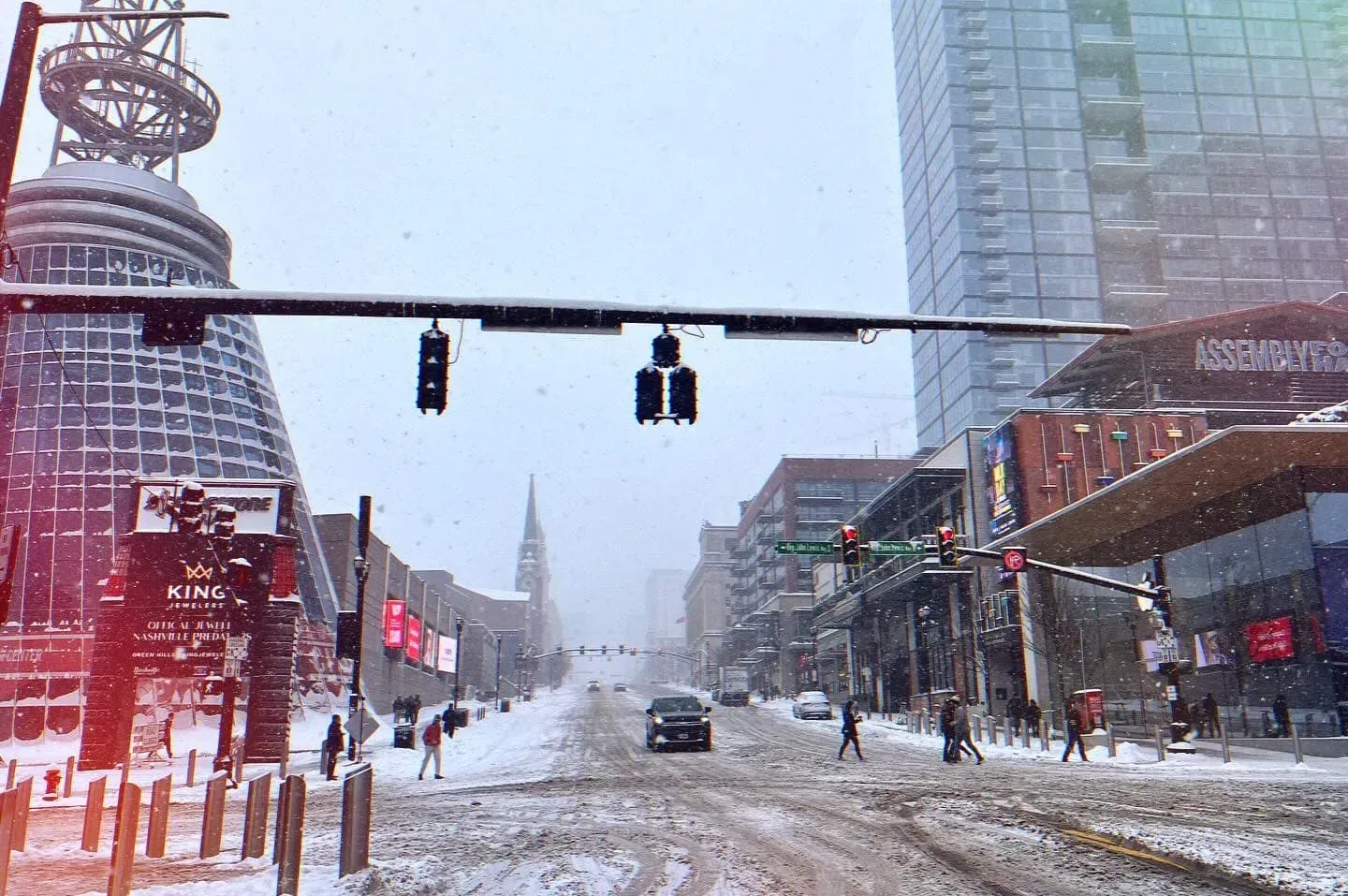
And then there's the "snow panic." When even a few inches of snow are forecast, the city tends to shut down. Schools close, roads become challenging, and grocery store shelves are often emptied. While it doesn't happen frequently, it's a unique aspect of Nashville life that can catch newcomers off guard.
The Truth About Crime and the Importance of Your Zip Code
When researching any new city, crime statistics are often a concern. In Nashville, the truth about crime is nuanced and highly neighborhood-dependent. Like any growing metropolitan area, Nashville has its share of crime, but generalizations can be misleading. What you hear or read might not reflect the safety of the specific neighborhood you're considering.
It's crucial to look beyond city-wide averages and research crime stats for individual areas. Your real estate agent will be an invaluable resource in understanding the safety profiles of different communities. This brings us to another critical point: your zip code.
Nashville Schools: A Zip Code Decision
For families, the decision of where to live in Nashville often hinges on schools. The quality of public schools can vary significantly from one zip code to another, and this directly impacts property values and your children's educational future. Many families prioritize living in areas with highly-rated schools, which can, in turn, drive up demand and housing costs in those specific districts.
Understanding the school landscape, researching individual school ratings, and considering private school options are all part of the relocation process for families. Your zip code isn't just an address; it's a gateway to community resources, school quality, and even your daily commute. Choosing wisely here is perhaps one of the most important decisions you'll make when moving to Nashville.
The Political Landscape
While not directly impacting daily amenities in the same way traffic or cost of living does, Nashville's political landscape is another facet of its reality. Tennessee is a largely conservative state, but Nashville itself is a more liberal-leaning urban center. This can lead to interesting dynamics and occasional friction between city and state policies. For newcomers, understanding the general political leanings of the city and state can help you anticipate the social and cultural environment you'll be entering.
Is Nashville Still for You?
So, is Nashville still the dream destination? Absolutely, for many. But it’s a dream best approached with open eyes and a clear understanding of its complexities. The city offers incredible opportunities, a vibrant culture, and a unique charm that keeps people coming. However, being prepared for the traffic, the evolving cost of living, the tax structure, the weather, and the importance of neighborhood choice will make your transition much smoother.
Whether you're planning a move next week, in six months, or even a year from now, it's never too early to start gathering information and having those crucial conversations. Knowing the "dark side" isn't about deterring you; it's about empowering you to make the best, most informed decision for your future in Music City.
Frequently Asked Questions (FAQ)
Q: Is Nashville still affordable for newcomers in 2026?
A: While Nashville was once considered affordable, rapid growth has significantly increased the cost of living, especially for housing. Rents for apartments can easily exceed $2,000/month, and home prices have risen sharply. It's crucial to budget carefully and research specific neighborhoods for options that align with your financial situation.
Q: How bad is Nashville traffic, and are there ways to avoid it?
A: Nashville's traffic is notoriously challenging, particularly during rush hour, due to rapid population growth and highway infrastructure. While public transit is improving, it's not a primary solution for most. Strategies to cope include living closer to work, adjusting commute times, or exploring alternative routes. A car is generally considered a necessity.
Q: What's the deal with Tennessee's taxes – no income tax but high sales tax?
A: Tennessee has no state income tax, which is appealing to many. However, it offsets this with a relatively high sales tax of 9.25% in Davidson County. This structure can benefit high-income earners but might impact those on tighter budgets more significantly due to higher costs on everyday purchases.
Q: Where do locals hang out in Nashville, away from the tourist crowds?
A: Locals tend to avoid the highly touristy downtown Broadway area. Instead, they frequent vibrant neighborhoods like East Nashville, 12 South, Germantown, The Gulch, and Sylvan Park for dining, shopping, and community events. These areas offer a more authentic Nashville experience.
Q: How important is my zip code when considering schools in Nashville?
A: Your zip code is extremely important for families considering a move to Nashville, as the quality of public schools can vary significantly by district. Choosing a neighborhood with highly-rated schools is a top priority for many, influencing property values and your children's educational opportunities. Thorough research into school districts i
Making Your Move Easier
Moving forward does not have to be overwhelming. With the right guidance and support, you can navigate this journey smoothly. The team is ready to help you every step of the way.
Here's how to get in touch:
📧 Email: susan@susanthetford.com
📞 Phone: 629-280-2622
💻 YouTube: [Living In Nashville Tennessee [The Original!!]](https://www.youtube.com/channel/UCjGn81xP5XNqWnBquNk7FoQ)

Susan Thetford
As a Nashville native, real estate agent, and retired general contractor, I bring a unique perspective to home buying and selling. My background allows me to help clients understand a home’s true potential, costs, and value—beyond what meets the eye.
With my mother-daughter real estate team, we provide a seamless, client-first experience with personalized service and expert guidance.
Read our
Latest Blogs