Moving To Nashville: Is Murfreesboro Really “Most Hated” — A Deep Dive From a Local

Moving To Nashville: Is Murfreesboro Really “Most Hated” — A Deep Dive From a Local

If you're Moving To Nashville and Murfreesboro keeps coming up in your search — and in your friends' warnings — you're not alone. As someone who lives and works in the area, I made a trip to Murfreesboro to answer the question head-on: is Murfreesboro deserving of the "most hated" label, or is it one of the best-kept secrets for people Moving To Nashville who want affordability, space, and a thriving suburban lifestyle?

In this in-depth guide I'll cover everything I saw and heard: commute times, the local economy, schools, parks and trails, shopping and nightlife, housing inventory and prices, and the real reasons people either love or loathe Murfreesboro. If you are Moving To Nashville and considering Murfreesboro as a place to live, read on — I’ll share practical tips, neighborhood notes, and a peek at a remarkable five-acre property that proves you can get serious land without moving hours outside town.
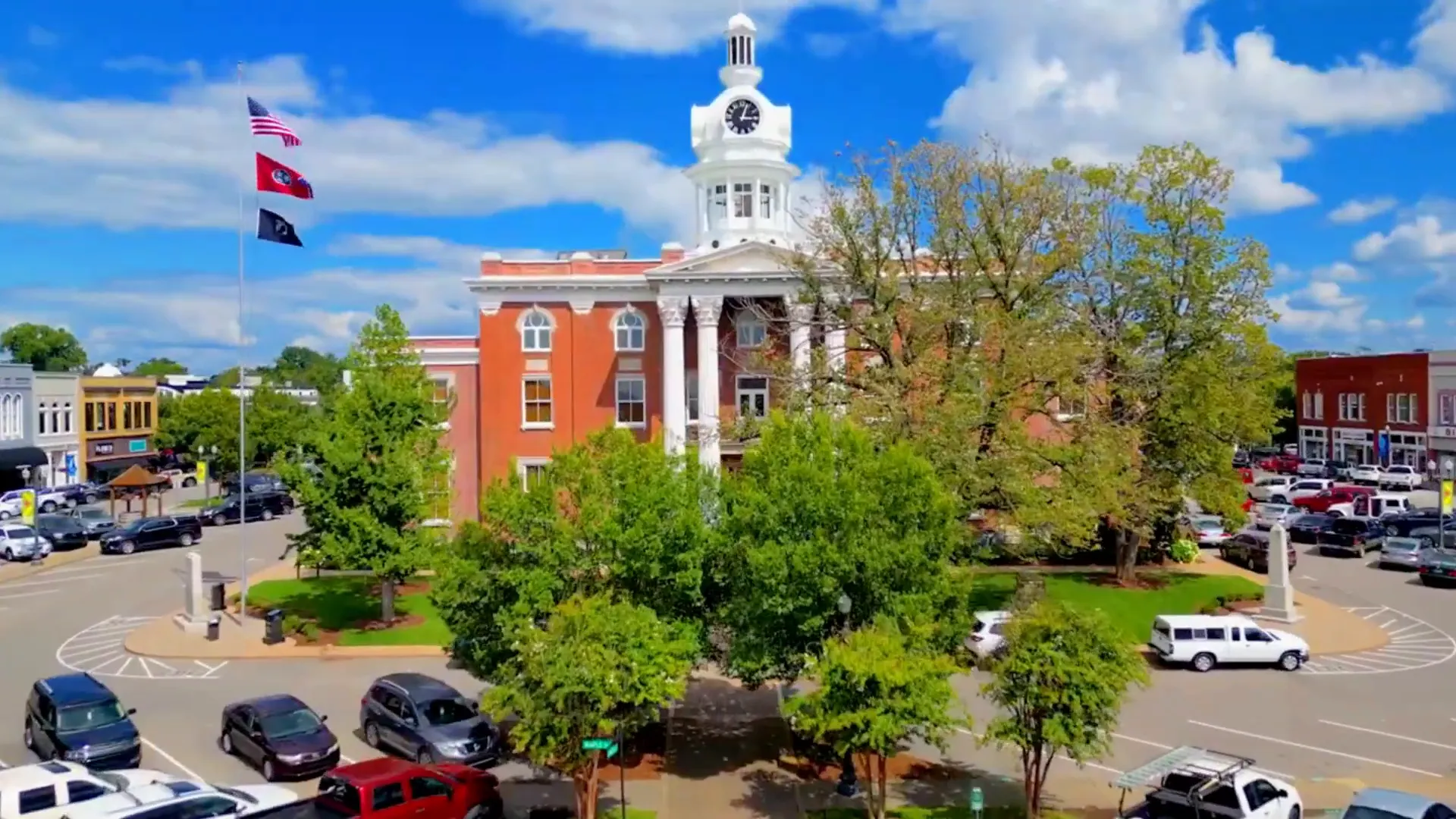
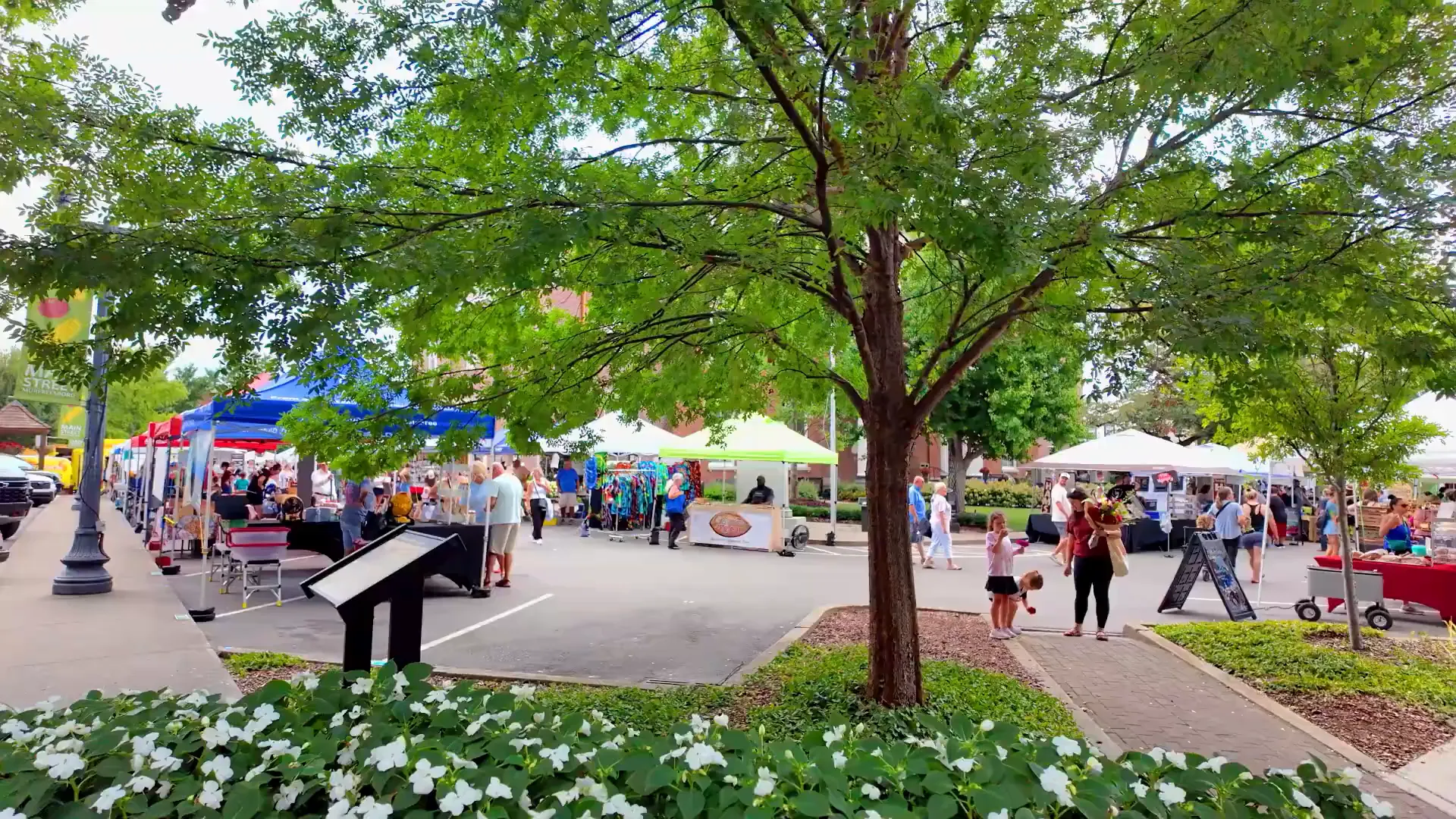
Crowded Murfreesboro town square and farmers market on a Saturday

Why Murfreesboro Matters for People Moving To Nashville

Murfreesboro is not just another suburb. It’s the 16th fastest-growing city in the country, and that growth has put it square in the spotlight for anyone Moving To Nashville who needs a balance of affordability and suburban conveniences. For many relocating families, young professionals, and university students, Murfreesboro represents a practical compromise: good schools, sizable lots, and easy access to Nashville’s job market and airport without the premium cost of some closer-in neighborhoods.

When you’re Moving To Nashville, you’ll quickly find that geography and travel options matter. Murfreesboro sits about 45 minutes to an hour from downtown Nashville and BNA International Airport, depending on traffic. That makes it easy to get to the airport and to most parts of the country — a major plus for frequent travelers and people who work for companies with travel-heavy roles.
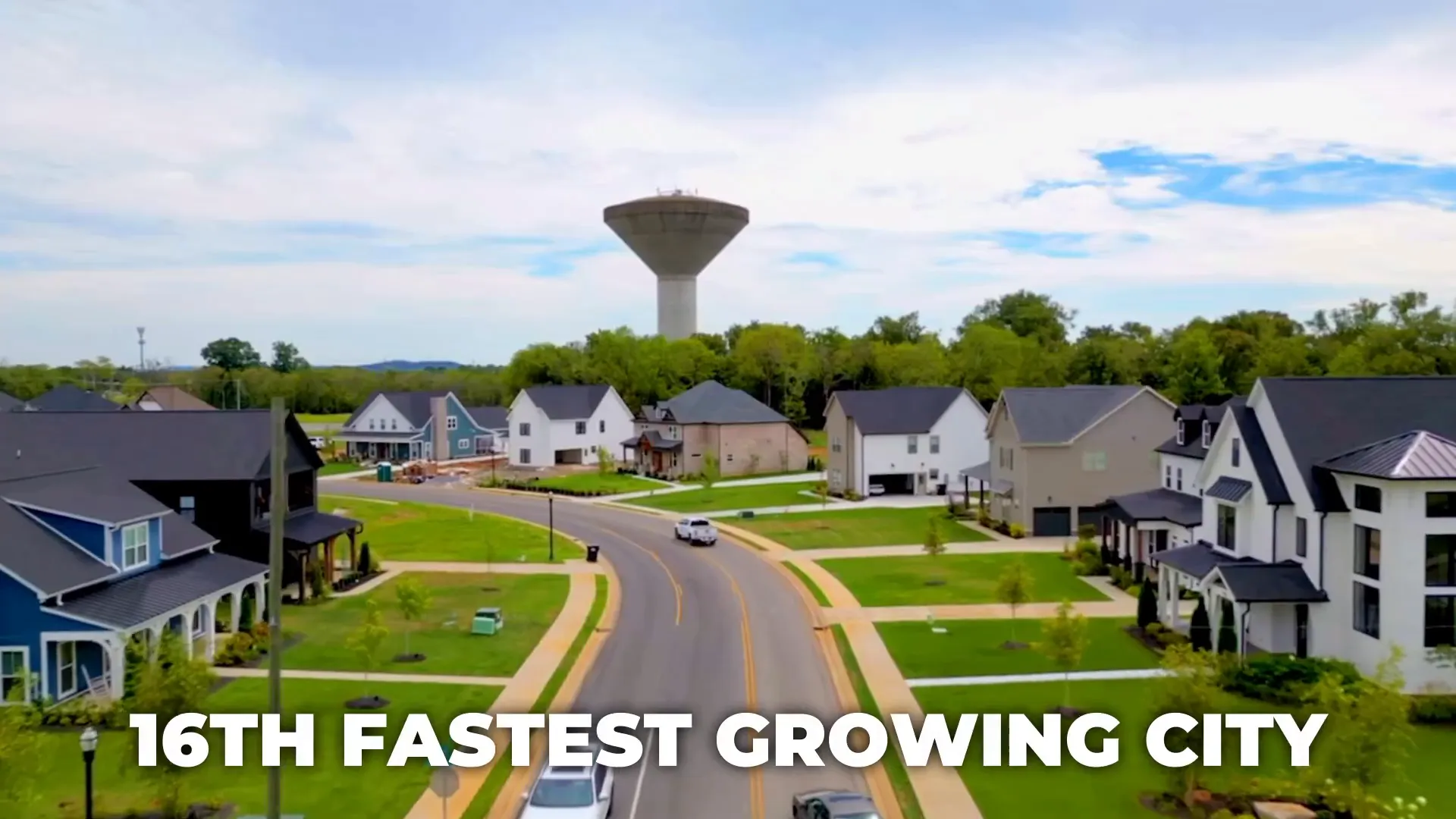
Map highlight showing Murfreesboro's growth ranking and its proximity to Nashville and the airport

Commute & Accessibility — The Realities of Moving To Nashville From Murfreesboro

Let’s talk commute: if you commute daily to downtown Nashville, you should expect a drive that can range from 45 minutes to an hour — and during heavy traffic times closer to an hour-plus. For people Moving To Nashville who need to be downtown every day, that commute can feel long. But if your job is in the airport corridor, Cool Springs, Brentwood, or even local within Murfreesboro, the commute becomes far more reasonable.

  • Typical drive to Nashville downtown or BNA: 45–60 minutes (an hour with traffic).
  • I-840 provides an essential bypass around downtown congestion — a game-changer for many people Moving To Nashville who drive from Murfreesboro.
  • Local road widening projects, especially along Medical Center Parkway and nearby corridors, are actively improving flow as the city grows.
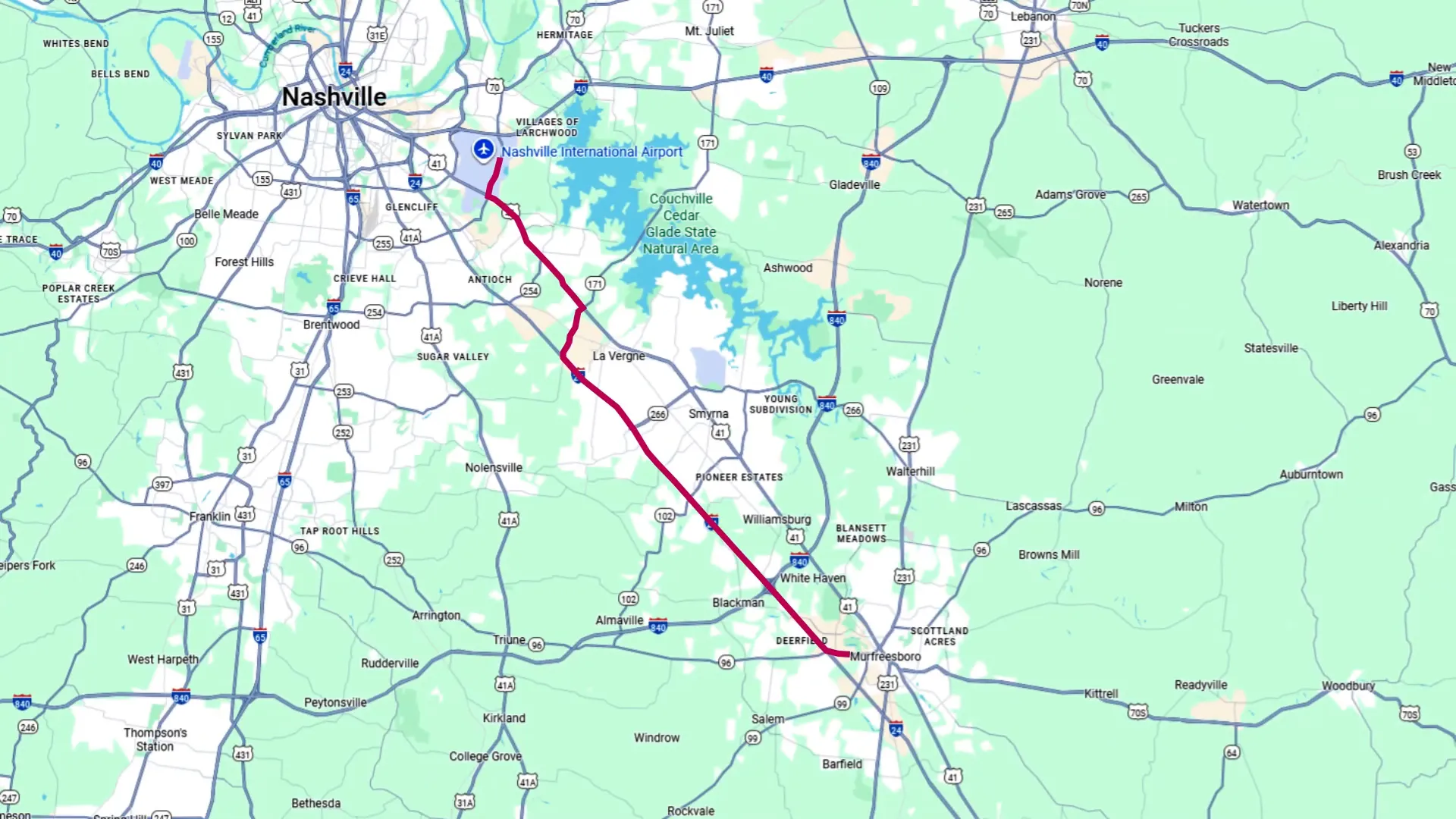
Traffic on I-24 and overview of alternative route via I-840

Economy & Jobs — Murfreesboro Is Not Just a Bedroom Community

One misconception I often hear from people Moving To Nashville is that Murfreesboro exists only to house commuters. That's not true. Murfreesboro's economy is diverse and robust on its own. Major drivers include:

  • Healthcare systems and regional hospitals (including a VA hospital supporting veterans).
  • Middle Tennessee State University (MTSU) — a campus of about 26,000 students that fuels education, research, and many local jobs.
  • Manufacturing and production facilities (Nissan is a major regional employer within driving distance).
  • Retail, restaurants, and a growing service sector that supports a city of 170,000+ residents.
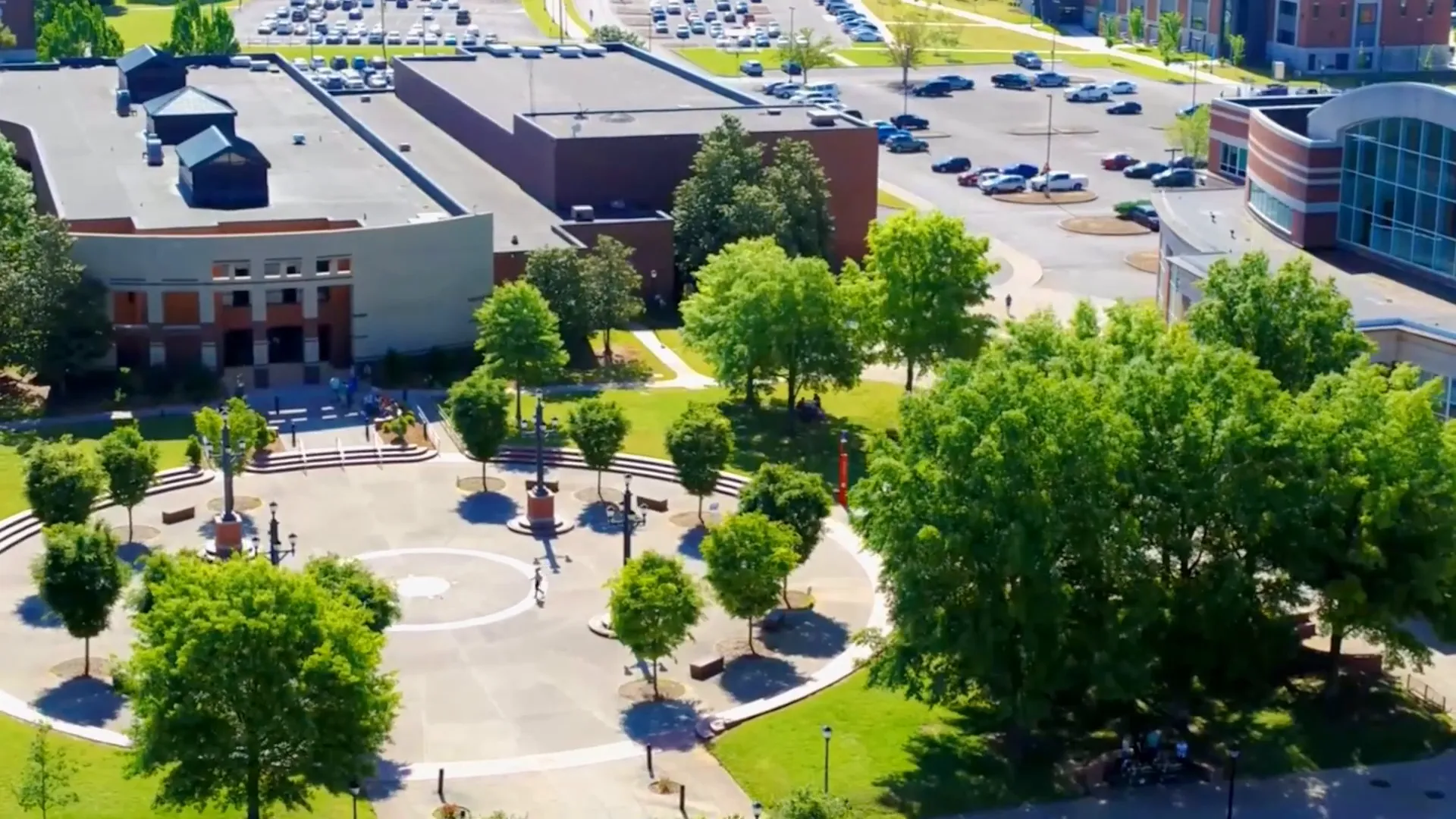
MTSU campus life and students walking between buildings

For those Moving To Nashville with job flexibility or those who prefer working locally, Murfreesboro offers many opportunities without a daily trip into the heart of Nashville.

Schools — What Parents Should Know When Moving To Nashville and Choosing Murfreesboro

School quality is often the top priority for families Moving To Nashville, and Murfreesboro is no exception. The area offers a mix of public schools, magnet programs, and access to higher education through MTSU. If you're researching schools, I recommend using both GreatSchools.org and Niche.com to get a balanced view of test scores and parent/student perspectives.

Standouts include Central Magnet, a program highly ranked in the state for academics, and strong athletics programs at schools like Oakland High School — which has a storied football tradition that local families love. Athletics and extracurriculars are a big part of community life here.
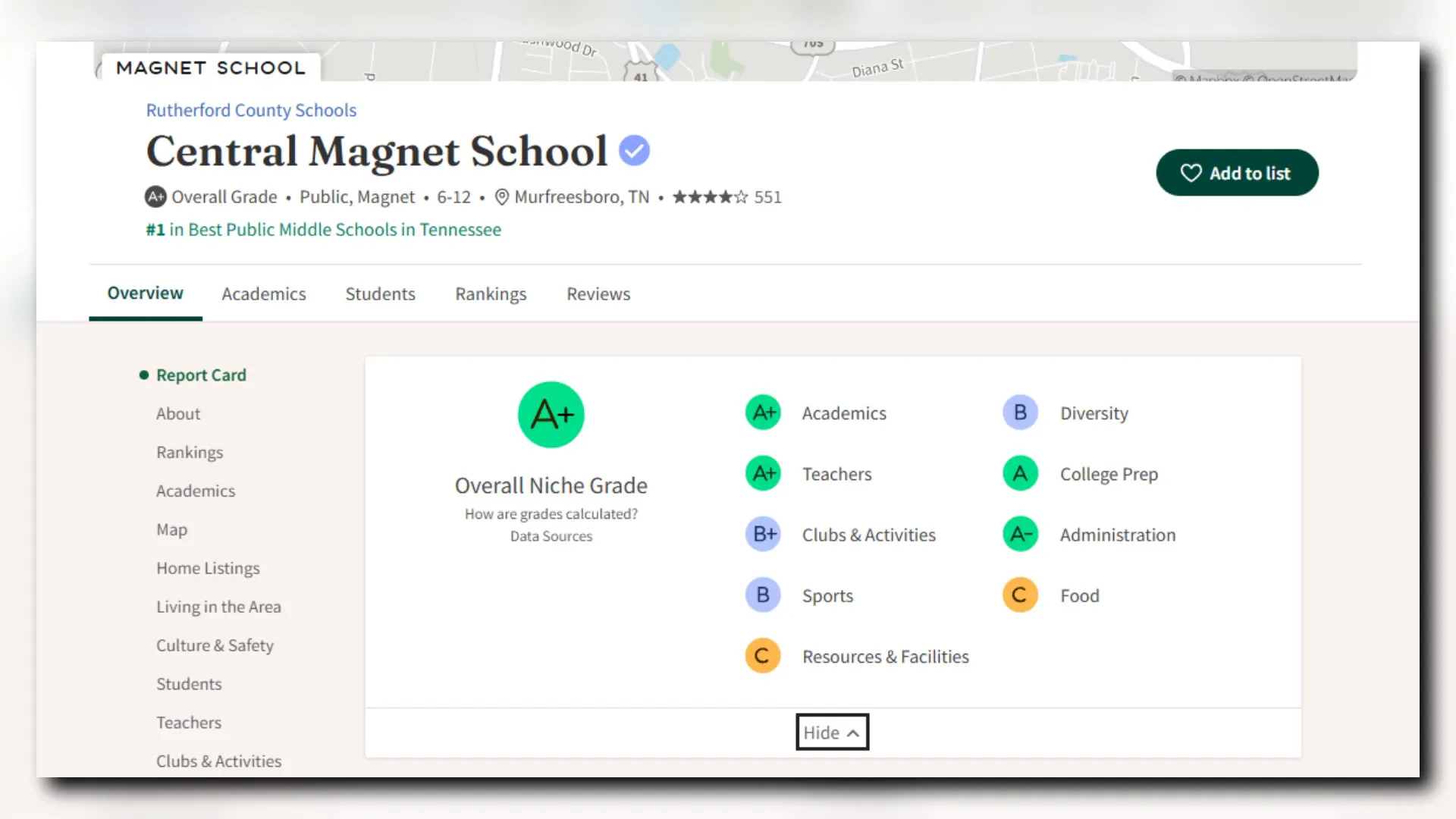
Central Magnet and a high school football crowd showing community support for local schools

Housing — Affordability, Lot Sizes, and What You Get When Moving To Nashville Through Murfreesboro

One of the most compelling reasons people consider Murfreesboro when Moving To Nashville is housing value. Compared to closer-in Nashville neighborhoods, you’ll find a wider range of prices and property types:

  • Starter homes and townhomes/condos: Attractive options for first-time buyers and downsizers.
  • Mid-market single-family homes (roughly $400k–$600k range): Often include .25 to .4 acre lots.
  • Custom builds and acreage: Murfreesboro offers rare opportunities to find 3–6+ acre parcels close to town — something that's very expensive or scarce in Williamson County.

For example, there’s a listed property at 2648 Wilson Overall Road: a 4-bed, 3.5-bath home with over 3,700 sq ft on 6.43 acres, priced around $1.45 million. That kind of acreage within a 15-minute drive of downtown Murfreesboro is remarkable and part of the appeal for people Moving To Nashville who want land without a long rural commute.
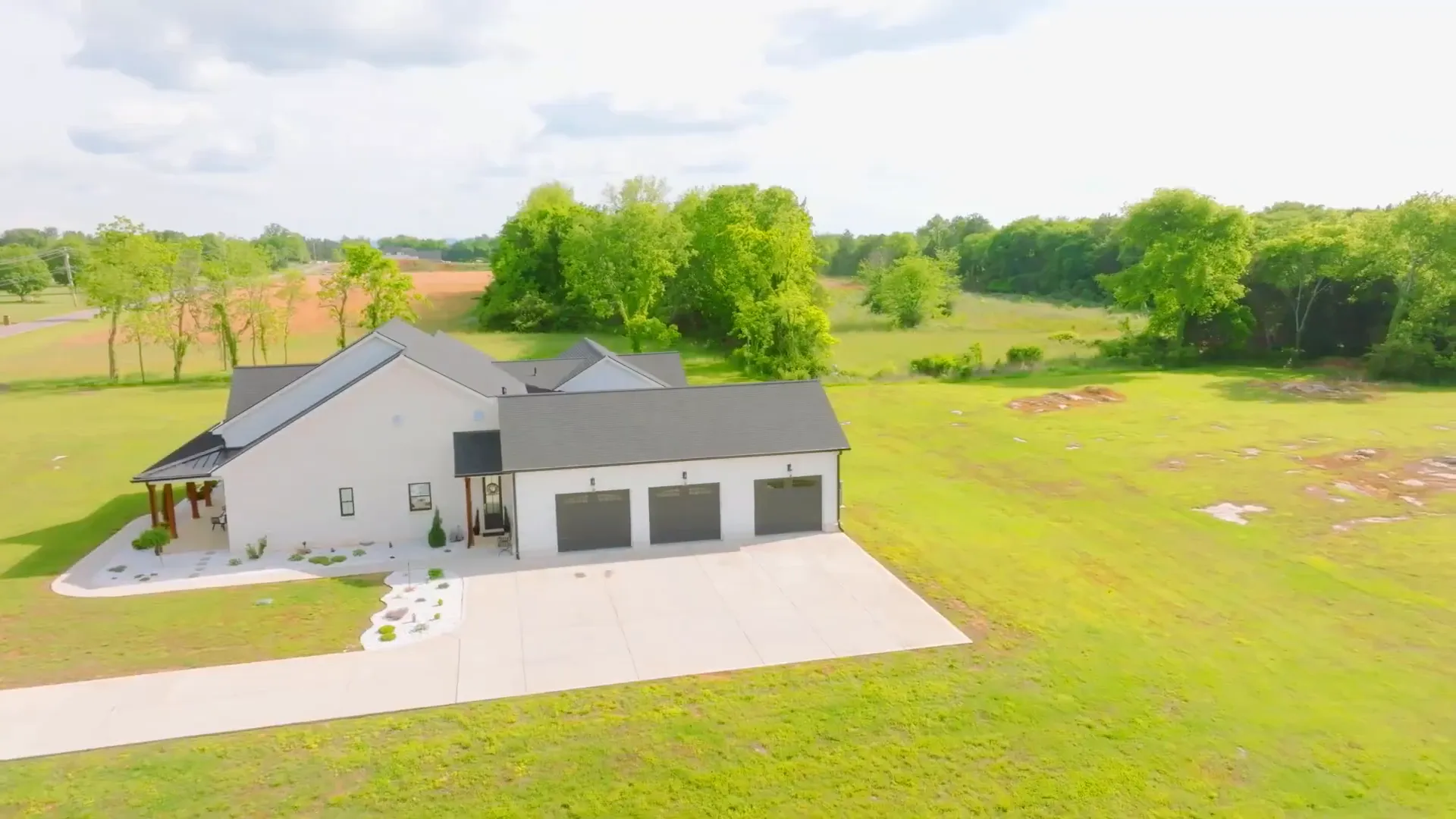
Large ranch-style home set on acres of land just outside downtown Murfreesboro

Builder landscape: you’ll find both national "big box" builders and local builders constructing new lifestyle communities. Many neighborhoods include underground utilities, walking paths, and newer architectural styles. If you want acreage for a custom build, Murfreesboro is one of the few places near Nashville where that’s financially viable.

Septic vs. Sewer — What to Expect

Some homes, particularly on larger acreage, use septic systems. If you're Moving To Nashville and considering a large-lot property around Murfreesboro, understand whether the home has a septic tank, its age, and maintenance history. Modern septic systems are reliable, but inspections and routine maintenance are essential. We guide buyers through septic evaluations when needed.
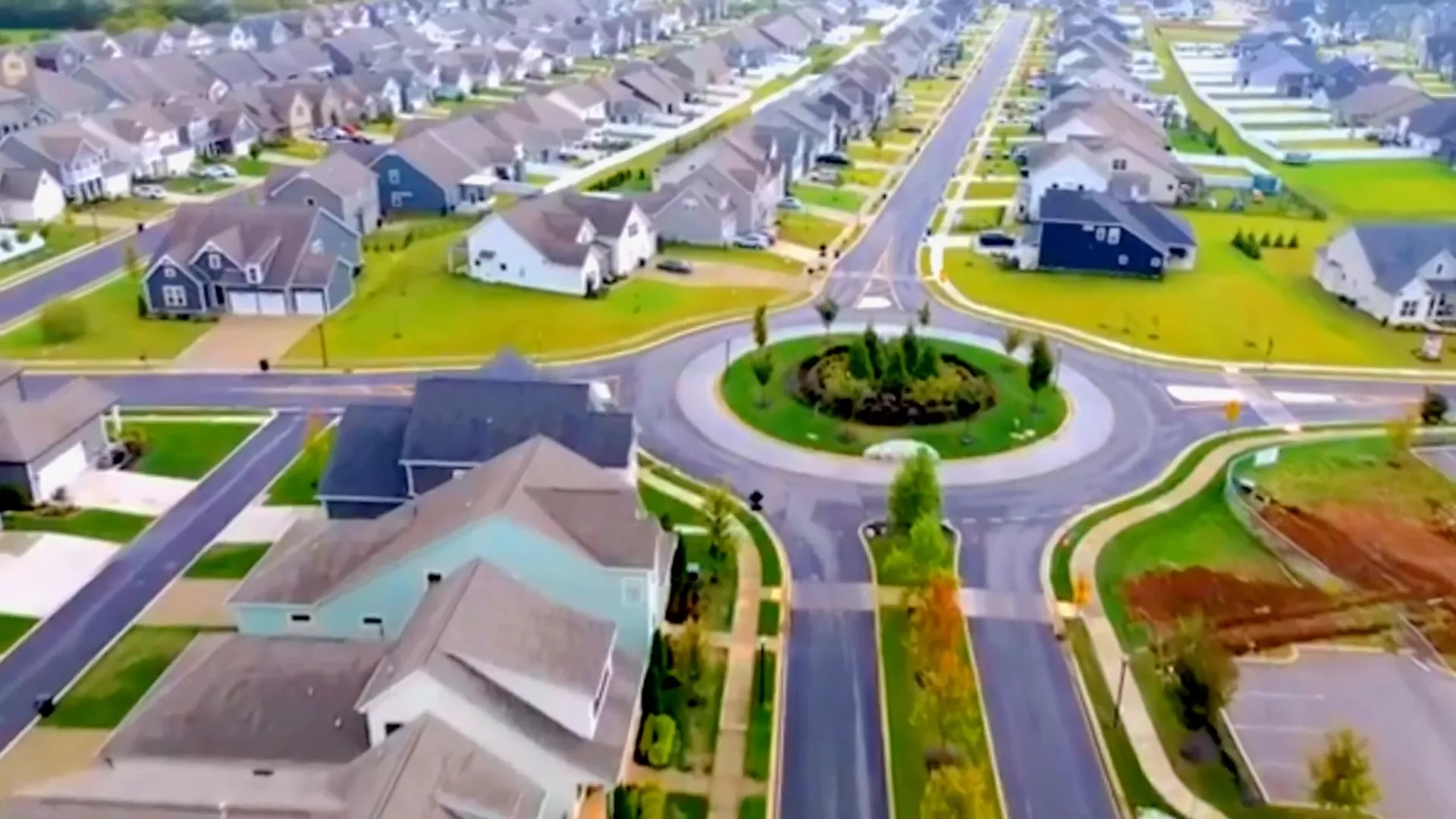
New home construction with visible lots and underground utilities in a Murfreesboro development

Shopping, Dining & Nightlife — How Murfreesboro Compares for Everyday Life When Moving To Nashville

One common complaint about Murfreesboro is that it doesn’t offer the same selection of restaurants, boutiques, and nightlife as Cool Springs or downtown Nashville. The reality is more nuanced. If you want national chains and big-box shopping, Medical Center Parkway's corridor—often referred to as The Avenue—has many of the familiar options: Best Buy, popular restaurants, department stores, and an outdoor walking mall.

But Murfreesboro also has a charming and thriving historic town square with local cafes, bakeries, and boutique shops. The farmers market on Saturdays is lively and authentic — a great way to meet neighbors and sample local goods. If you're Moving To Nashville for city-style nightlife every night, Murfreesboro may feel quieter; but if you want a balance of suburban shopping and small-town charm, it hits the mark.
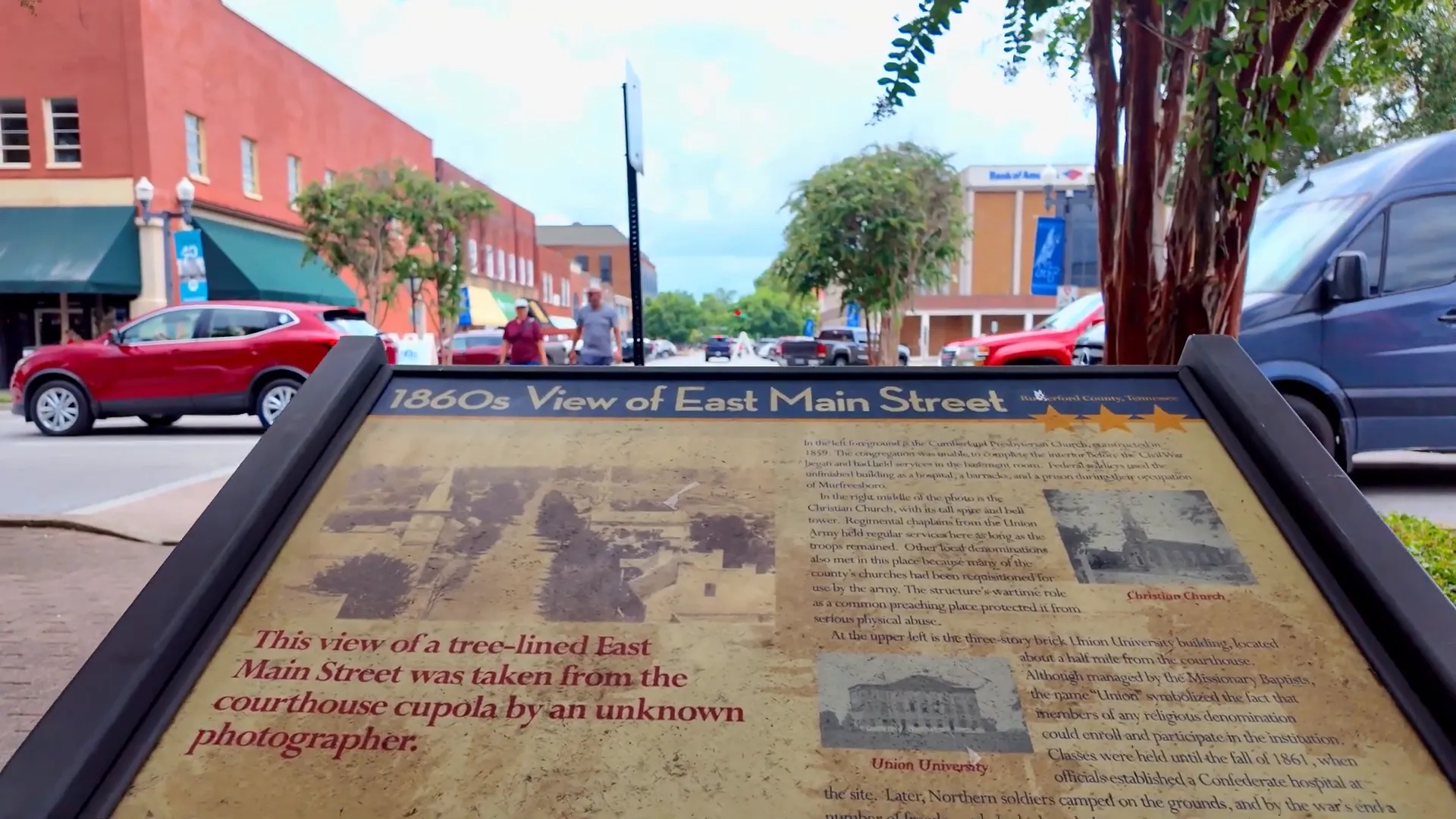
Historic Murfreesboro town square with local shops and people enjoying shopping and dining

Outdoor Life — Trails, Rivers, Lakes & Recreation for Those Moving To Nashville

Outdoor enthusiasts considering Moving To Nashville will find Murfreesboro pleasantly surprising. Miles of trails, greenways, and parks provide options for hikers, runners, and families:

  • Stones River: Platforms for kayaking, canoeing, and fishing.
  • Barfield Crescent Park: Trails and family-friendly recreation.
  • The Gateway Fountain area: Kid-friendly events, greenways, and public programming.
  • Nearby lakes like Tims Ford: For a quieter lake experience a short drive away — great for boating and fishing without the crowds.
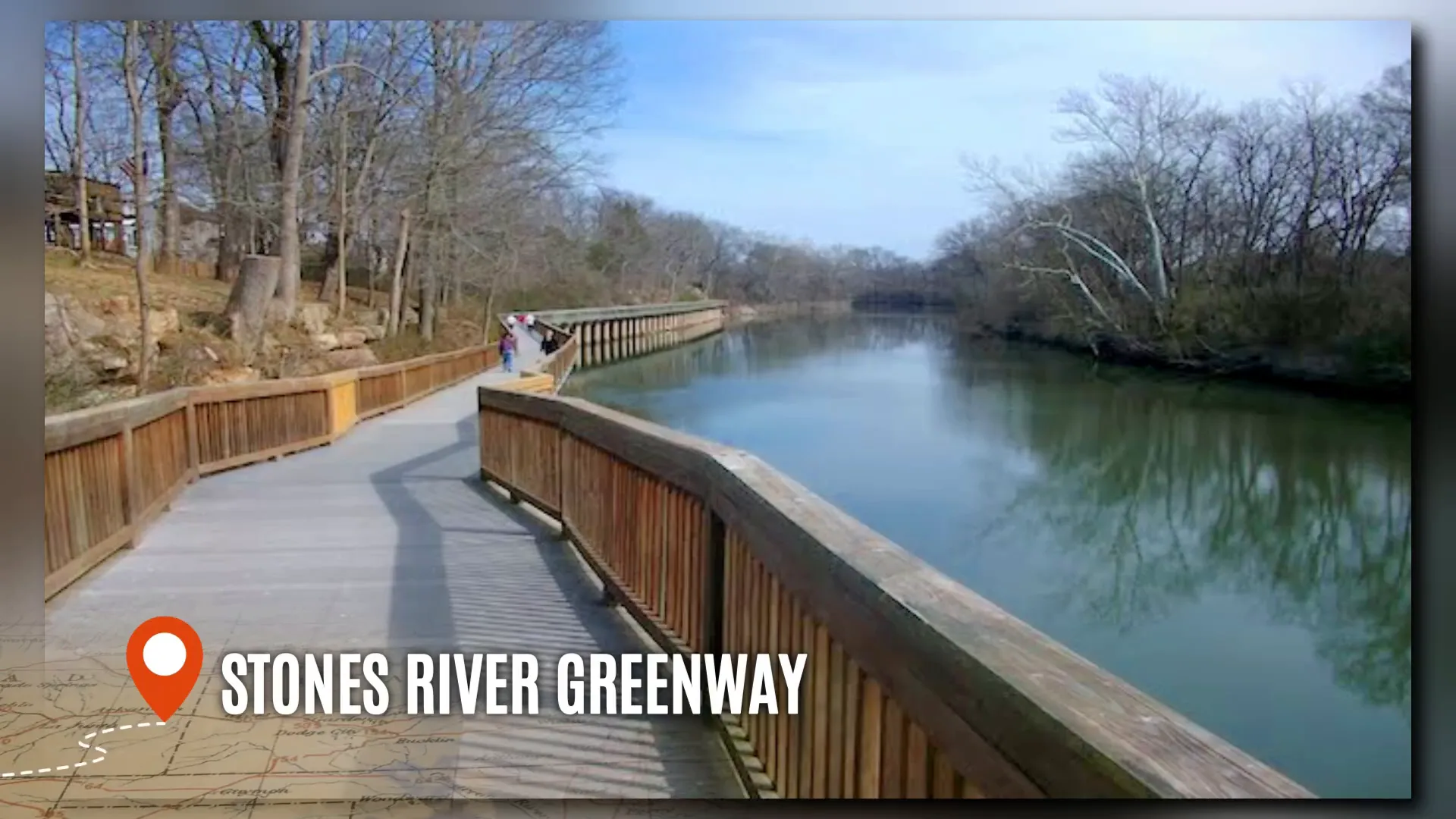
Kayaker on Stones River enjoying peaceful water recreation near Murfreesboro

The city is increasing recreational amenities — and pickleball courts are becoming very popular. Outdoor life is a major reason families choose Murfreesboro when Moving To Nashville; it offers nature close to home and weekend escapes without long drives.

Culture & Festivals — Why Murfreesboro Is More Than a Suburb

Music is central to this part of Tennessee, but you don’t have to be in downtown Nashville to enjoy live music. Murfreesboro hosts festivals like Uncle Dave Macon Days (a celebrated bluegrass event) and a substantial jazz festival. Local musicians play in the square, restaurants host small concerts, and MTSU brings cultural programming to town.

If a rich local music scene and community festivals matter to you while Moving To Nashville, Murfreesboro offers a lively calendar without the downtown bustle.
Local musicians performing in Murfreesboro's town square during a community event

The Pros and Cons — Should You Choose Murfreesboro When Moving To Nashville?

Here’s a concise look at who Murfreesboro is best for — and who might want to think twice before moving here:

Pros

  • Affordability: Lower cost per square foot and more options for acreage compared to closer-in suburbs.
  • Varied housing inventory: From starter condos to large custom homes on multiple acres.
  • Strong local economy: MTSU, healthcare, manufacturing, and retail jobs.
  • Suburban feel with a thriving historic square and community festivals.
  • Excellent outdoor recreation and nearby lakes for boating and fishing.

Cons

  • Traffic: Growth has caused congestion on major arteries; projects and 840 help, but peak commute times can be slow.
  • Nightlife: Limited late-night entertainment compared to downtown Nashville — if you need entertainment nightly, this might be a downside.
  • Commute to downtown: Daily commuters should account for an hour or more during rush hours.
  • Some properties on septic: Larger lots may not have city sewer — that’s manageable but requires understanding and inspection.

If you’re Moving To Nashville and your priorities are suburban space, reputable schools, and affordability, Murfreesboro should be on your shortlist. If you absolutely must be downtown every night or crave a dense urban nightlife, you may prefer neighborhoods closer to Nashville proper.

Practical Tips for People Moving To Nashville and Considering Murfreesboro

Here are practical steps and resources I recommend for anyone Moving To Nashville who’s curious about Murfreesboro:

  1. Visit on a weekend — explore the historic town square and the farmers market to get a feel for community life.
  2. Check schools with both GreatSchools.org and Niche.com for statistics and real-family perspectives.
  3. Time your commute — drive from a potential neighborhood to your workplace during peak hours to understand real-world travel times.
  4. Ask if a property uses septic — and request maintenance records and a septic inspection if so.
  5. Explore 840 and alternate routes — these bypasses can turn a frustrating commute into a tolerable one.
  6. Tour MTSU if college proximity or educational programs matter to your family — MTSU has strong programs (including music business) with real-world opportunities.
  7. Consider future plans: if you want land and a custom build, Murfreesboro is one of the best places near Nashville to achieve that without leaving the county entirely.

Local baker at the farmers market handing a sample to a visitor

Who Murfreesboro Isn’t For — Honest Advice

I always tell people: Murfreesboro is for those who value a suburban lifestyle, community festivals, and outdoor recreation. It's potentially not the right fit for:

  • People who need downtown Nashville nightlife every night.
  • Workers who must be in downtown Nashville early every morning and cannot tolerate a 60–75 minute commute regularly.
  • Buyers who need city sewer on every property and are uncomfortable with septic systems.

Those are not deal-breakers for everyone, but they're important to be honest about when you’re Moving To Nashville and evaluating which suburb matches your lifestyle.

Sample Property Spotlight — Land, Space, and a Short Drive to Downtown

As I mentioned earlier, there are properties in Murfreesboro that combine substantial acreage with proximity to town. The example at 2648 Wilson Overall Road is a 4-bed, 3.5-bath home with over 3,700 sq ft on 6.43 acres — about a 15-minute drive from the downtown square. For people Moving To Nashville who want room to breathe, privacy, and the option to build or customize, this is the type of inventory that makes Murfreesboro stand out.

Why this matters: you can have the lifestyle of country living, and still be within quick reach of schools, grocery stores, and community life. That’s a rare combination inside the Nashville metro at this price point.
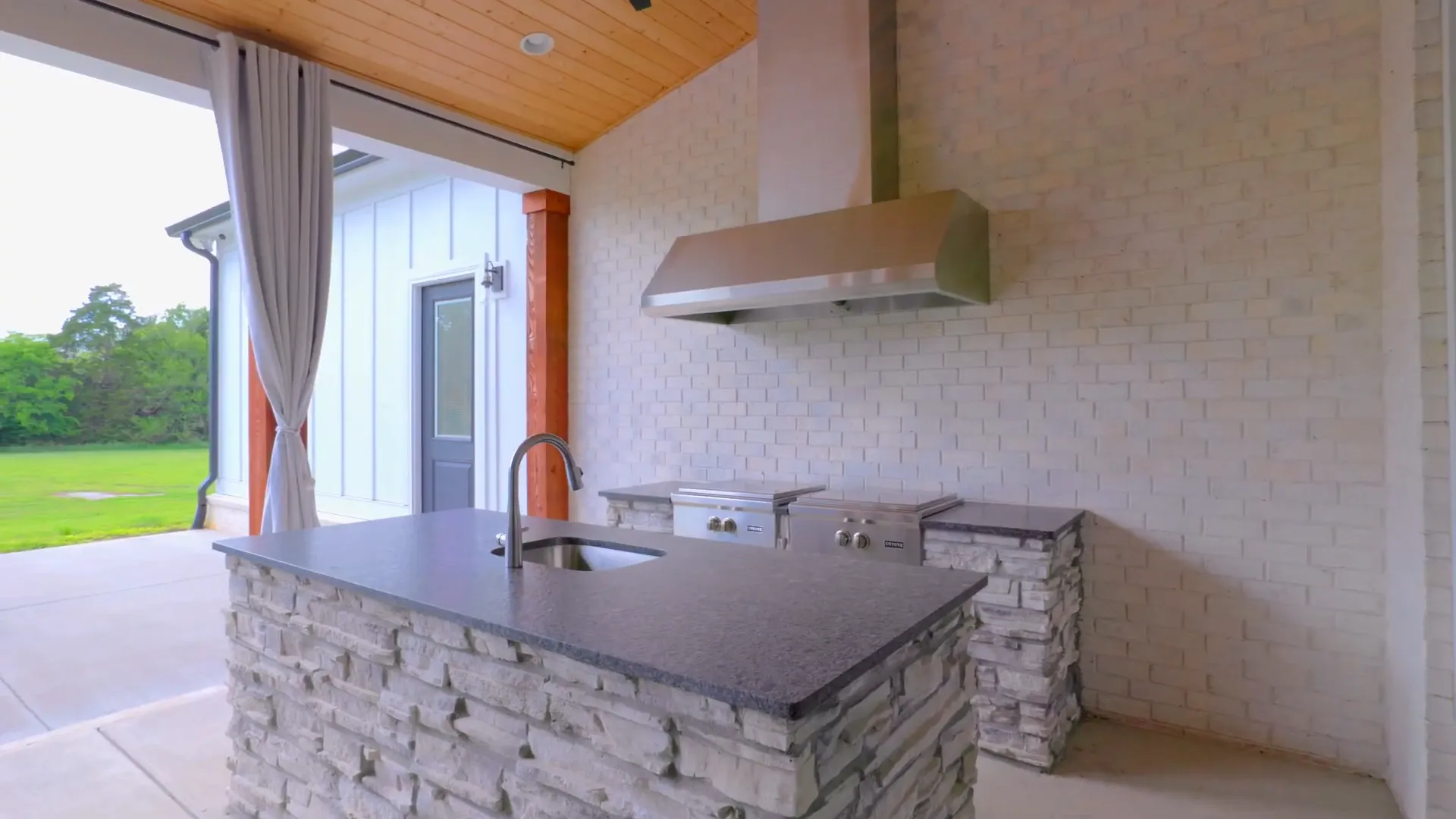
Aerial view of a Murfreesboro property showing house and surrounding acreage

Final Thoughts — Is Murfreesboro Worth Considering When Moving To Nashville?

Short answer: Yes — but with context.

If you’re Moving To Nashville and prioritize affordability, family-friendly neighborhoods, academic options through MTSU, and the possibility of owning sizable land near town, Murfreesboro is a top contender. Its growth and investment in infrastructure, shopping corridors, and recreation make it a vibrant place to live. The trade-offs are traffic growth and a quieter nightlife scene compared to downtown Nashville.

Remember these guiding points when you're Moving To Nashville:

  • Decide how often you'll need to be downtown.
  • Visit at different times of day to experience traffic patterns.
  • Use both data sites and local perspectives for school research.
  • Consider the value of acreage — Murfreesboro offers options that many nearby suburbs do not.
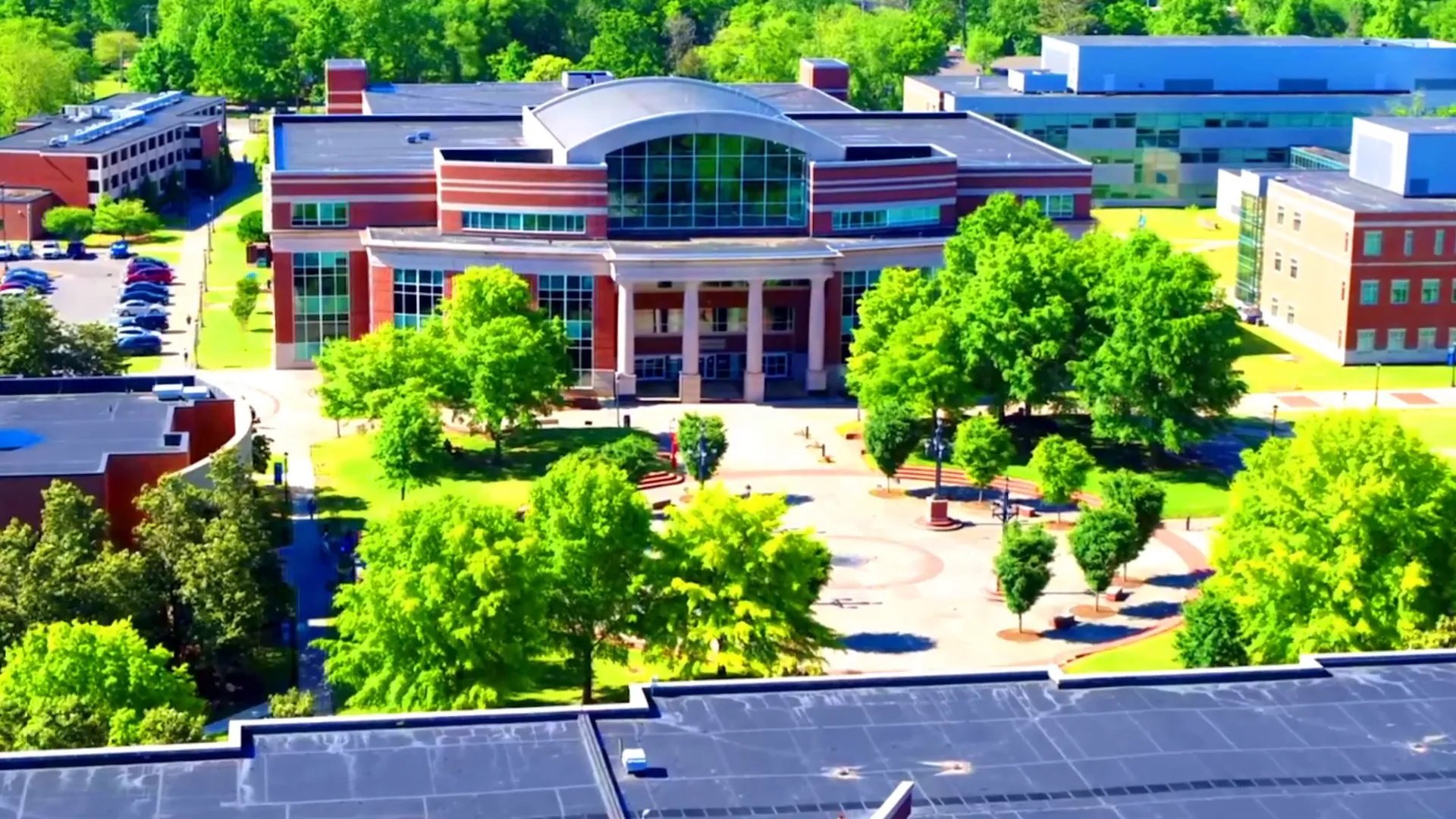
MTSU student walking across campus and the speaker reflecting on her daughter's positive experience

Want Help Deciding Where to Land When Moving To Nashville?

If you’re Moving To Nashville and curious about Murfreesboro — whether you want a starter home, a mid-range neighborhood, or acreage close to town — I can help you navigate the pros and cons and show you properties that match your goals. Reach out anytime and we’ll walk through commute routes, school options, and properties that fit your lifestyle.

Moving To Nashville is a big step. Murfreesboro deserves a spot on your list of places to consider — and you might just be surprised how quickly it grows on you.

— Susan Thetford

A woman in a blue shirt and blue cardigan is smiling in front of a brick wall.

Susan  Thetford

As a Nashville native, real estate agent, and retired general contractor, I bring a unique perspective to home buying and selling. My background allows me to help clients understand a home’s true potential, costs, and value—beyond what meets the eye.


With my mother-daughter real estate team, we provide a seamless, client-first experience with personalized service and expert guidance.
RELOCATION GUIDE

A relocation guide to nashville , tn by susan thatford
DOWNLOAD

LATEST VIDEO

WATCH MORE
By Claire Monville April 10, 2026
East Bank Nashville Development Delayed… and This One Actually Matters Alright… this is one of those updates you don’t want to scroll past. Because the East Bank Nashville development just hit a delay—and this one could shape the future of the city. If you’re thinking about moving to Nashville, buying, or just trying to understand where things are headed… this matters. What Happened to the East Bank Nashville Project? Metro Council recently delayed the vote on a major East Bank Nashville development project , now being called East Bend. And this wasn’t minor. There were 18 last-minute amendments introduced before the vote, which tells you right away—this project is still being worked out. 👉 Translation: Nothing is finalized yet. What Is the East Bend Nashville Development? The East Bend Nashville project sits on 47 acres directly across from downtown Nashville , along the Cumberland River. This is one of the most valuable and strategic pieces of land in the city. Here’s what’s being proposed: A $245 million acquisition A 22-parcel mixed-use district Potential 30–40 story towers Riverfront retail, restaurants, and green space A possible MLB stadium (Nashville Stars) This isn’t just another project—it’s one of the most important Nashville development projects currently on the table. Why Was the East Bank Nashville Vote Delayed? There are several concerns still being discussed, which is why the vote didn’t move forward. Density How much development can this area realistically support? Infrastructure Can Nashville’s roads, utilities, and systems handle the growth this project would bring? Parking A growing issue in any major city—and especially important in high-density developments. Connectivity to Downtown How will the East Bank connect to Lower Broadway and the rest of Nashville? These are not small questions—and they’re critical to getting a project like this right. Why the East Bank Nashville Development Matters This isn’t happening in isolation. The East Bank Nashville project is part of a much larger transformation that includes: The new Titans stadium Major infrastructure improvements Continued population growth in Middle Tennessee This area is expected to become a major extension of downtown Nashville. And how it’s developed will impact the city for decades. How This Impacts Nashville Real Estate If you’re watching Nashville real estate growth , this is something to pay attention to. Projects like this influence: Property values near the East Bank Future development patterns Traffic and commute times Where businesses and amenities go And these changes don’t happen overnight—but they do start with decisions like this. What Happens Next for East Bank Nashville? The next vote is scheduled for April 21 . Until then, the plan is still evolving. Which means: 👉 This project is still in flux 👉 Changes are likely 👉 Nothing is locked in yet Thinking About Moving to Nashville TN? Read This First If you’re considering moving to Nashville TN , this is exactly the kind of information you want to understand before you buy. Because: Where development happens = where growth follows Where growth follows = where demand increases And that impacts your long-term investment Most people focus only on the house. The smarter move? 👉 Pay attention to what’s happening around it. Bottom Line on the East Bank Nashville Development Nashville isn’t slowing down. But how it grows—and where it grows—is still being decided. And the East Bank Nashville development is one of the biggest pieces of that puzzle. Need Help Navigating Nashville’s Growth? Making Your Move Easier Moving forward does not have to be overwhelming. With the right guidance and support, you can navigate this journey smoothly. The team is ready to help you every step of the way. Here's how to get in touch: 📧 Email: susan@susanthetford.com 📞 Phone: 629-280-2622 💻 YouTube: [Living In Nashville Tennessee [The Original!!]](https://www.youtube.com/channel/UCjGn81xP5XNqWnBquNk7FoQ)
By Claire Monville April 7, 2026
Moving to Nashville in 2026 requires careful planning, and this post highlights the 5 worst places in the Nashville metro area based on robust data from sources like FBI crime statistics and NeighborhoodScout. Understanding these areas can help you avoid common pitfalls and make an informed decision for your relocation or investment. Welcome to Nashville, Music City, USA! A vibrant hub of culture, music, and rapidly growing opportunities. If you're considering making Nashville your new home in 2026, you're not alone. Thousands are drawn to its charm, but making the right choice about where to live is paramount. While many focus on the 'best' neighborhoods, understanding the areas that might not align with your lifestyle or investment goals is equally crucial. This comprehensive guide, inspired by the insights from Living In Nashville Tennessee [The Original!!], dives deep into the 5 worst places to live in the Nashville metro area, arming you with data-backed knowledge to make the smartest move. Why Data-Backed Insights Matter for Your Nashville Move When it comes to real estate and relocation, opinions are plentiful, but facts are gold. Our approach, mirroring the expertise of seasoned real estate professionals, relies on hard data – not hearsay. We analyze information from reputable sources like FBI crime statistics, NeighborhoodScout, CrimeGrade, and Niche. These platforms provide a clear, unbiased picture of various neighborhoods, allowing us to pinpoint areas that may present significant challenges for residents. Whether you're a family seeking top-tier schools, a retiree looking for peace, or an investor eyeing long-term value, data is your best friend. Moving to Nashville involves more than just finding a house; it's about finding the right community that fits your needs and budget. As explored in The Truth About COST of Living in NASHVILLE Tennessee 2026! , understanding the true cost of living extends beyond just housing prices. It encompasses everything from utilities to transportation, and even the hidden costs associated with certain neighborhoods. Uncovering the 5 Challenging Areas in Nashville Metro for 2026 The Nashville metro area (SMSA) is diverse, with pockets of rapid growth and areas still grappling with various issues. Identifying the "worst" places isn't about shaming communities but providing transparent information for those making life-changing decisions. Based on the analysis, these areas often face common challenges: Higher Crime Rates: Measured through FBI crime statistics and platforms like CrimeGrade, these areas typically show elevated rates of both violent and property crimes, impacting safety and property values. Underperforming Schools: Data from Niche and similar educational rating sites often reveal schools with lower test scores, fewer resources, and less desirable student-teacher ratios. Infrastructure Strain: Rapid suburban growth, while positive in many ways, can often outpace infrastructure development, leading to traffic congestion, limited public services, and slower response times. Lower Property Values & Investment Risk: While initial home prices might seem appealing, persistent issues can lead to slower appreciation or even depreciation, making them less ideal for long-term investment. Hidden Costs: What appears 'affordable' upfront can come with higher insurance premiums due to crime rates, increased commute times and costs, and potentially restrictive or costly HOA fees that detract from the overall value. Why Areas Like Antioch and La Vergne Are Often Discussed The video specifically mentions Antioch and La Vergne as controversial areas, and it's easy to see why they often come up in discussions about challenging places to live. These communities, while offering more affordable housing options compared to Nashville's core, have faced significant growing pains. Antioch: Once a quiet suburban retreat, Antioch has experienced immense population growth. This rapid expansion has unfortunately brought increased traffic congestion, and in some sectors, a rise in crime rates. While efforts are continually being made to improve infrastructure and community resources, the area still presents challenges for those seeking pristine schools and low crime. The affordability might initially attract buyers, but the trade-offs in commute times, school quality, and perceived safety can be significant. La Vergne: Situated southeast of Nashville, La Vergne also offers more accessible home prices. However, similar to Antioch, it has seen its share of growing pains. Concerns often revolve around specific crime hotspots and the quality of local amenities and schools. While pockets of La Vergne are perfectly pleasant, potential residents need to conduct thorough due diligence, looking beyond the initial price tag to understand the full picture of living there. It’s important to remember that general observations about areas don't apply to every street or every block. However, the data trends do indicate a higher likelihood of encountering certain issues in these broader regions compared to their more affluent counterparts. The Hidden Costs of 'Affordable' Housing Many movers are drawn to areas with lower home prices, but it's vital to look beyond the sticker price. What might seem like a bargain could become a financial drain due to: Higher Insurance Premiums: In areas with higher crime rates, home and auto insurance can be significantly more expensive. Increased Commute Times and Costs: Living further out for affordability often means longer commutes into Nashville's job centers. This translates to more money spent on gas, vehicle maintenance, or public transport, plus the invaluable cost of your time. HOA Fees and Special Assessments: Some communities, especially newer developments, come with Homeowners Association (HOA) fees. While these can cover amenities, they can also be substantial and increase unexpectedly, adding to your monthly expenses. Property Maintenance & Upkeep: Older, more affordable homes might require significant renovation or ongoing maintenance, which can quickly erode initial savings. Navigating Nashville's Suburban Growth and Infrastructure Challenges Nashville is booming, and this growth extends far into its suburbs. While exciting, this expansion puts immense pressure on existing infrastructure. New roads, schools, and public services often struggle to keep pace with the influx of new residents. This can lead to: Traffic Congestion: Especially during peak hours, commutes can be grueling, impacting quality of life. Crowded Schools: New families mean more students, potentially leading to larger class sizes and less individualized attention. Strain on Public Services: From emergency response times to waste management, rapid growth can challenge the efficiency of essential services. Understanding these broader trends is crucial for anyone considering a move to the Nashville metro area, as highlighted in DON’T Move to NASHVILLE Tennessee UNLESS YOU CAN Handle These… (9 Things) . It's not just about the house; it's about the entire living experience. Finding Your Perfect Nashville Home: Beyond the 'Worst' While this post focuses on areas to approach with caution, Nashville offers an abundance of fantastic places to live. Communities like Brentwood and Franklin are consistently ranked among the best, boasting excellent schools, low crime rates, beautiful homes, and robust amenities. These areas, though often at a higher price point, offer significant long-term value and a high quality of life. For a deeper dive into these desirable locations, you might find valuable insights in [I Ranked Nashville’s BEST Suburbs to Live in 2026! [Based on Real Data]](https://www.youtube.com/watch?v=2KDwoK42h1Q), which provides a data-driven look at the top-performing suburbs. Relocation Tips for a Seamless Move For Families: Prioritize school districts. Use resources like Niche and GreatSchools to research ratings, student-teacher ratios, and extracurriculars. Consider commute times to work and proximity to family-friendly amenities. For Retirees: Look for areas with lower property taxes (if applicable), access to healthcare facilities, community centers, and a slower pace of life, while still being close enough to enjoy Nashville's cultural offerings. For Buyers/Investors: Conduct thorough due diligence. Don't just look at current prices but also consider property appreciation trends, rental yields, and the overall stability of the neighborhood's market. Always get a comprehensive home inspection. Making Informed Investment Decisions Nashville real estate continues to be a hot market, but smart investing requires a keen eye for detail. Understanding the nuances of each neighborhood, especially those with potential challenges, is crucial. Long-term investment decisions should always factor in: Future Development Plans: Are there any upcoming infrastructure projects or commercial developments that could positively or negatively impact property values? Population Growth Projections: Areas with sustained, healthy population growth tend to see better property appreciation. Economic Stability: A diverse and robust local economy provides a strong foundation for real estate investment. By focusing on data and working with knowledgeable local experts, you can navigate the Nashville real estate market with confidence and avoid making a costly mistake. Frequently Asked Questions (FAQ) Q: How accurate are the crime statistics mentioned? A: The crime statistics are typically sourced from the FBI's Uniform Crime Reporting (UCR) Program and local law enforcement agencies, which are considered reliable primary data sources. Platforms like NeighborhoodScout and CrimeGrade aggregate and analyze this data, often providing granular, neighborhood-specific insights to give a comprehensive picture. Q: Does 'affordable housing' always mean hidden costs? A: Not always, but it's a common pitfall. While some affordable areas offer great value, others may come with trade-offs like higher insurance premiums, longer commutes, less access to quality public services, or the need for significant home repairs. It's crucial to factor in all potential expenses, not just the purchase price, when evaluating affordability. Q: Are areas like Antioch and La Vergne universally 'bad'? A: No area is universally 'bad,' and many residents find happiness in Antioch and La Vergne. The designation of 'worst places' is based on aggregate data trends concerning factors like crime rates, school performance, and infrastructure challenges compared to the broader metro area. There can be perfectly good pockets within these larger regions, but prospective movers should conduct extra due diligence. Q: What are the best resources for researching Nashville neighborhoods? A: Beyond the video's mentioned sources (FBI crime stats, NeighborhoodScout, CrimeGrade, Niche), consider local government planning departments for future development plans, school district websites for specific school information, and local real estate agents who have deep, on-the-ground knowledge of the various communities in the Nashville metro area. Q: How can I ensure I make the best relocation decision for my specific needs? A: The best approach is multi-faceted: conduct extensive online research using data-driven platforms, visit potential neighborhoods in person at different times of day, speak with locals, and most importantly, work with an experienced local real estate agent who understands your unique priorities and can guide you through the complexities of the Nashville market.  Making Your Move Easier Moving forward does not have to be overwhelming. With the right guidance and support, you can navigate this journey smoothly. The team is ready to help you every step of the way. Here's how to get in touch: 📧 Email: susan@susanthetford.com 📞 Phone: 629-280-2622 💻 YouTube: [Living In Nashville Tennessee [The Original!!]](https://www.youtube.com/channel/UCjGn81xP5XNqWnBquNk7FoQ)
By Claire Monville April 1, 2026
Nolensville, Tennessee, offers a blend of small-town charm and suburban convenience, making it appealing for families seeking excellent schools and retirees looking for a peaceful community. This post dives into the key advantages and disadvantages of moving to Nolensville in 2023 to help you make an informed decision. Thinking about making a move to the vibrant state of Tennessee? Specifically, has the charming town of Nolensville caught your eye? Nestled in the heart of Williamson County, just south of Nashville, Nolensville has rapidly gained a reputation as a desirable place to live, especially for families and those seeking a quieter pace of life without sacrificing access to big-city amenities. But like any relocation, moving to Nolensville comes with its own set of unique pros and cons. In this comprehensive guide, we'll explore everything you need to know about living in Nolensville, Tennessee, in 2023, helping you decide if this growing community is the perfect fit for your next chapter. Nolensville: A Glimpse into This Southern Gem Nolensville is more than just a dot on the map; it's a community rich in history and future promise. Originally an agricultural hub, it has transformed into a thriving suburban town while striving to maintain its small-town character. Its location offers the best of both worlds: a peaceful, close-knit environment combined with easy access to the employment, entertainment, and cultural opportunities of Nashville. The PROS of Living in Nolensville, TN Let's start with the many reasons why people are flocking to Nolensville and falling in love with this Williamson County treasure. 1. Exceptional Schools and Family-Friendly Environment One of the biggest draws for families considering Nolensville is its inclusion in the highly-regarded Williamson County School District. This district consistently ranks among the best in Tennessee, known for its academic excellence, dedicated teachers, and robust extracurricular programs. For parents, this translates to peace of mind and excellent opportunities for their children. Beyond academics, Nolensville fosters a strong sense of community ideal for raising a family. You'll find numerous parks, youth sports leagues, and community events that encourage interaction and build lasting friendships. 2. Small-Town Charm with Modern Amenities Despite its growth, Nolensville has managed to retain much of its quaint, small-town appeal. The historic downtown area, with its unique shops, local eateries, and community gatherings, feels like a step back in time. Yet, residents also enjoy convenient access to modern amenities, including grocery stores, healthcare facilities, and various service providers, ensuring a comfortable lifestyle. 3. Proximity to Nashville While Nolensville offers a serene escape, it's remarkably close to Nashville, "Music City." This means residents can easily commute for work, enjoy world-class dining, catch a Predators game, experience live music, or explore cultural attractions without a lengthy drive. This balance between peaceful living and urban access is a significant advantage. 4. Safety and Quality of Life Nolensville boasts a low crime rate, contributing to a feeling of safety and security for its residents. The overall quality of life is high, characterized by clean streets, well-maintained public spaces, and a general sense of community pride. It's a place where neighbors look out for each other and a calm atmosphere prevails. 5. Real Estate Growth and Investment Potential Nolensville's popularity has led to significant real estate development, offering a range of housing options from charming older homes to brand-new constructions with modern amenities. For many, investing in Nolensville real estate represents not just a home, but also a sound financial decision given the area's steady appreciation. The CONS of Living in Nolensville, TN No place is perfect, and Nolensville has its challenges, primarily stemming from its rapid growth and desirable location. 1. Higher Cost of Living Compared to some other areas in Tennessee, the cost of living in Nolensville, particularly housing, can be higher. While it might still be more affordable than some major metropolitan areas, it's important to budget accordingly. Property values and demand have risen steadily, impacting both buying and renting. For a broader perspective on expenses, you might want to check out The Truth About COST of Living in NASHVILLE Tennessee 2026! , as Nolensville's costs often mirror or slightly trail Nashville's trends. 2. Limited Entertainment and Nightlife If you're looking for bustling nightlife, a wide array of fine dining, or extensive entertainment options within walking distance, Nolensville might feel a bit quiet. While it has charming local spots, the lively scene is primarily found in nearby Nashville. Residents often make the short drive for more diverse entertainment, which means planning ahead. 3. Traffic and Commute Challenges As Nolensville continues to grow and more people commute to Nashville, traffic can become a concern, especially during peak hours. The main routes connecting Nolensville to surrounding areas and the city can experience congestion, adding time to daily commutes. This is a common challenge for many suburban areas bordering major cities. 4. Growing Pains Rapid growth, while a sign of a desirable area, can also bring challenges. Infrastructure might struggle to keep pace with new developments, leading to occasional strain on roads, utilities, and even school capacities. While Williamson County is proactive, managing growth is an ongoing effort that residents experience firsthand. 5. Less Diversity Compared to Urban Centers While Nolensville is a welcoming community, it generally exhibits less ethnic and cultural diversity than a larger city like Nashville. For some, this might be a preference, while others might miss the broader cultural tapestry and international dining options found in more urban settings. If you're considering the broader Nashville area and its various neighborhoods, it's worth exploring different community profiles. For instance, understanding some of the challenges in the larger metro area can be helpful, as detailed in Making an Informed Decision: Is Nolensville Right for You? Ultimately, the decision to move to Nolensville depends on your personal priorities and lifestyle. If you're a family prioritizing top-tier education, a safe environment, and a strong community feel, Nolensville presents a compelling option. If you're a retiree looking for a peaceful setting with good amenities and easy access to a vibrant city, it could also be an excellent choice. However, if a bustling nightlife, extreme affordability, or a very short commute to downtown Nashville are your absolute top priorities, you might need to weigh these factors carefully or explore other areas within the broader Middle Tennessee region. Understanding the nuances of different areas can be crucial, especially when considering the larger metro area; for example, you might want to learn about specific areas to avoid by watching 5 WORST Places to LIVE in Nashville Tennessee in 2026! . Nolensville offers a unique blend of small-town charm and suburban convenience, making it a fantastic place for many to call home. Do your research, visit the area if possible, and consider what truly matters most for your next move. Frequently Asked Questions (FAQ) Q: What is Nolensville, Tennessee, known for? A: Nolensville is primarily known for its excellent Williamson County schools, strong family-friendly community, charming historic downtown, and its convenient location offering a small-town feel with easy access to Nashville's amenities. Q: How are the schools in Nolensville? A: The schools in Nolensville are part of the highly-rated Williamson County School District, which is consistently ranked among the best in Tennessee for academic performance, resources, and extracurricular activities, making it a significant draw for families. Q: Is Nolensville an expensive place to live? A: Compared to some other parts of Tennessee, Nolensville can be considered more expensive, particularly regarding housing costs. Its desirability and location in Williamson County contribute to higher property values and a generally higher cost of living than the state average, though it may still be more affordable than major U.S. cities. Q: What's the commute like from Nolensville to Nashville? A: The commute from Nolensville to downtown Nashville typically ranges from 30-45 minutes, depending on traffic conditions and the specific destination. During peak rush hours, this can extend further due to congestion on major routes like I-65. Q: Is Nolensville a good place for families with children? A: Absolutely! Nolensville is widely considered an excellent place for families. It offers top-rated schools, a safe environment, numerous parks and recreational opportunities, and a strong, engaged community that hosts various family-oriented events throughout the year. Making Your Move EasierMaking Your Move Easier Moving forward does not have to be overwhelming. With the right guidance and support, you can navigate this journey smoothly. The team is ready to help you every step of the way. Here's how to get in touch: 📧 Email: susan@susanthetford.com 📞 Phone: 629-280-2622 💻 YouTube: [Living In Nashville Tennessee [The Original!!]](https://www.youtube.com/channel/UCjGn81xP5XNqWnBquNk7FoQ)
By Claire Monville March 27, 2026
Nashville, Tennessee, in 2026, presents a nuanced cost of living picture. While it remains more affordable than major coastal cities, housing prices are substantial, though the market is trending neutral for buyers. Significant savings come from no state income tax and lower utility costs, making it an attractive option for many seeking a vibrant Southern lifestyle. The Real Deal: Unpacking Nashville's Cost of Living in 2026 Nashville, Tennessee – Music City, a hub of culture, opportunity, and that undeniable Southern charm. It's a magnet for those seeking a change of pace, a new career, or simply a vibrant community to call home. But as 2026 unfolds, a critical question looms for many considering a move: Is Nashville still affordable? The dream of living in a thriving city often bumps up against the reality of daily expenses. If you're contemplating relocating from a high-cost area like California or New York, or even a neighboring Southern state, understanding the true cost of living in Nashville is paramount. This isn't about sugar-coating; it's about giving you the straightforward, no-nonsense facts you need to make an informed decision. Let's dive into the numbers and uncover the real truth about what it takes to live comfortably in Nashville today. The Big Picture: Nashville's Affordability Snapshot First, let's set the stage with a broad overview. In 2026, Nashville's overall cost of living stands approximately 1% below the national average. Now, compare that to notoriously expensive cities like San Francisco, which can be 80% higher, or Seattle, clocking in at 55% above the national average. This immediately puts Nashville in a more favorable light for many prospective residents. This doesn't mean it's a budget paradise, but it certainly offers a more accessible entry point than many other desirable metropolitan areas across the U.S. The balance of a bustling economy, cultural richness, and a more manageable cost of living makes Nashville an appealing proposition for a diverse range of individuals and families. Unpacking Housing Costs in Nashville 2026 Housing is often the largest expense in any budget, and Nashville is no exception. While it's below the national average overall, housing still requires a significant investment. As of 2026, the median price for single-family homes in Nashville typically hovers between $450,000 and $500,000 . This range reflects a diverse market, from charming historic homes to newer constructions in developing neighborhoods. The good news for prospective buyers is that the market is currently trending neutral in 2026. This means it's neither a strong seller's market nor a buyer's market, offering a more balanced environment for negotiations and finding the right property. This stability can provide a welcome relief for those feeling the pressures of highly competitive markets elsewhere. If you're curious about the broader market dynamics, you might find valuable insights in Is NASHVILLE Tennessee Housing Market BOOMING or CRASHING in 2026? . For those considering building their dream home, understanding construction costs is crucial: Mid-range custom homes: Average around $175–$210 per square foot . Luxury properties: Can easily exceed $600 per square foot , depending on finishes, location, and unique features. Renters will also find a competitive market, though specific figures can vary widely based on neighborhood, size, and amenities. It's always advisable to explore different areas to find a rental that aligns with your budget and lifestyle preferences. Saving Smart: Taxes and Utilities One of Nashville's most significant financial advantages comes from its tax structure. Tennessee is one of the few states without a state income tax. For someone earning a $100,000 salary, this translates to annual savings of approximately $5,000 to $7,000 compared to states with high income taxes. This substantial saving can be a game-changer for your overall financial well-being, allowing you to allocate more funds towards housing, savings, or enjoying Nashville's vibrant lifestyle. When it comes to utilities, Nashville residents also catch a break. Thanks to the efficient operations of the Tennessee Valley Authority (TVA), utility bills in Music City run about 4% below the national average . This includes electricity, water, and gas. While 4% might seem small, these savings add up over time and contribute to Nashville's overall affordability. Navigating Daily Life: Transportation and Expenses While Nashville offers many benefits, transportation is one area where personal vehicles are still largely necessary. The city relies heavily on cars, and while gas prices are generally cheaper than the national average, you'll likely be spending a fair amount on fuel and vehicle maintenance. Public transit, operated by WeGo, is available but relatively limited compared to larger, older metropolitan areas. This means factoring in car payments, insurance, and gas into your monthly budget is essential. Beyond the major costs, daily expenses like groceries, dining out, and entertainment are comparable to the national average. Nashville boasts an incredible food scene, live music venues, and countless attractions, so budgeting for these experiences will be part of embracing the local lifestyle. Before making a move, it's wise to consider some of the unique aspects of living here, which are often highlighted in discussions like DON’T Move to NASHVILLE Tennessee UNLESS YOU CAN Handle These… (9 Things) . Finding Your Niche: Nashville Neighborhoods and Beyond Nashville is a city of diverse neighborhoods, each with its unique character and, naturally, its own price point. From the bustling urban core to more serene suburban enclaves, there's a place for almost everyone. Understanding these variations is key to finding a home that fits both your lifestyle and your budget. Urban Core: Areas like Downtown, the Gulch, and 12 South offer walkable amenities, vibrant nightlife, and higher price tags for condos and townhomes. Historic Districts: East Nashville and Germantown feature charming historic homes, often with a lively arts and dining scene, at varying price points. Family-Friendly Suburbs: Communities outside the immediate city center, such as Franklin, Brentwood, or Hendersonville, provide excellent schools, more space, and a quieter pace, often with median home prices that reflect their desirability. Exploring these different areas, considering factors like commute times, local amenities, and community feel, will help you narrow down your search and discover where you can truly thrive within your budget. Is Nashville Right for You in 2026? So, is Nashville still affordable in 2026? The honest answer is: it depends on your perspective and priorities. Compared to mega-cities on the coasts, absolutely. The lack of state income tax and lower utility costs offer significant financial relief. However, housing, while stabilizing, is still a considerable investment, and daily living requires a car. For those relocating from California or New York, Nashville can feel like a breath of fresh air financially, offering more home for your money and substantial tax savings. If you're coming from a nearby Southern state, the cost difference might be less dramatic, but the appeal of Nashville's growth and opportunities remains strong. The key is to approach your relocation with realistic expectations. Nashville is a growing, dynamic city, and with growth comes increased demand. It's about finding the right balance between the vibrant lifestyle, career opportunities, and the financial commitment required. With careful planning and a clear understanding of the numbers, living comfortably in Music City is indeed achievable in 2026. Frequently Asked Questions (FAQ) Q: Is Nashville more affordable than other major U.S. cities in 2026? A: Yes, in 2026, Nashville's overall cost of living is about 1% below the national average, making it significantly more affordable than cities like San Francisco (+80%) or Seattle (+55%). Q: What are the biggest cost advantages of living in Nashville? A: The two main advantages are the absence of state income tax, which can save residents $5,000-$7,000 annually on a $100k salary, and utility costs that are approximately 4% below the national average thanks to TVA. Q: What should I expect for housing prices in Nashville in 2026? A: The median price for single-family homes in Nashville typically ranges from $450,000 to $500,000 in 2026. The market is currently trending neutral, which can be favorable for buyers. Q: How important is having a car for daily life in Nashville? A: Very important. Nashville is a car-dependent city with limited public transportation options (WeGo). While gas prices are generally lower, owning and operating a car is a necessary expense for most residents. Q: Are there options for different budgets when it comes to housing in Nashville? A: Yes, Nashville offers a range of housing options across its diverse neighborhoods. From urban core condos to suburban single-family homes, prices vary significantly. Exploring different areas and considering both new builds and existing homes can help you find a suitable option for your budget. Making Your Move Easier  Moving forward does not have to be overwhelming. With the right guidance and support, you can navigate this journey smoothly. The team is ready to help you every step of the way. Here's how to get in touch: 📧 Email: susan@susanthetford.com 📞 Phone: 629-280-2622 💻 YouTube: [Living In Nashville Tennessee [The Original!!]](https://www.youtube.com/channel/UCjGn81xP5XNqWnBquNk7FoQ)
By Claire Monville March 20, 2026
Nashville offers vibrant culture and rapid growth, but it comes with significant considerations. This post dives into 9 essential factors, from soaring housing prices and increasing commutes to population booms and diverse neighborhoods, ensuring you're fully prepared before making Music City your home. Planning a move to Nashville, Tennessee? Music City’s allure is undeniable, with its vibrant music scene, delicious southern cuisine, and a reputation for charming hospitality. Instagram feeds are filled with idyllic images of Broadway’s neon glow, the historic beauty of Franklin, and the overall “southern charm” that draws millions. But beneath the surface of this captivating city lies a set of realities that every potential transplant needs to understand before packing their bags. This isn't about dampening your dreams, but rather equipping you with the truth. Moving to any new city is a huge decision, and Nashville, with its explosive growth and evolving landscape, comes with its own unique set of challenges and opportunities. Based on real data and local insights, here are 9 essential things you MUST be ready to handle if you’re considering making Nashville your next home. 1. Population Boom: Nashville's Explosive Growth Nashville is not just growing; it’s booming. The city’s population surged from 626,000 to 715,000 between 2010 and 2020, and the wider metro area added over 400,000 residents in the same decade. This isn't just a number; it's a transformation. This influx of new residents brings a vibrant energy, diverse cultures, and a thriving job market, but it also puts immense pressure on existing infrastructure and resources. You'll feel the effects of this growth in every aspect of daily life, from traffic to housing availability. Understanding where all these new residents are coming from can offer valuable perspective on the city's changing demographics and housing demand. In You WON’T BELIEVE Where NASHVILLE Tennessee HOME BUYERS Are Moving FROM! , the channel explores the surprising origins of Nashville's newest residents, shedding light on the forces shaping the city. 2. The Soaring Cost of Housing Perhaps the most significant reality check for many considering Nashville is the dramatic increase in housing costs. Davidson County, which encompasses Nashville, saw its median home prices skyrocket from $225,000 to $500,000 in just ten years. This isn't a minor adjustment; it's a doubling of prices that has reshaped the local real estate market. While still more affordable than some coastal cities, Nashville’s housing market demands a realistic budget and a clear understanding of current trends. Navigating such a dynamic market requires up-to-date information. For a deeper dive into current market conditions and what to expect, check out Is NASHVILLE Tennessee Housing Market BOOMING or CRASHING in 2026? . This video provides crucial insights into the forces at play and how they might affect your home-buying journey. Additionally, if you're concerned about where prices might be more manageable, Where NASHVILLE Tennessee Home Prices are DROPPING the MOST in 2026??! offers specific data on areas experiencing shifts. 3. Navigating Nashville's Commute With rapid population growth comes increased traffic. The average Nashville commute now stands at 27 minutes, and it's trending upwards. If you're used to smooth, open roads, prepare for a different experience. Major arteries can become congested during peak hours, and public transportation options, while improving, may not fully meet the needs of a sprawling metropolitan area. Proximity to work, school, or frequent destinations will become a critical factor in your neighborhood choice, not just a preference. 4. Education Excellence: Schools and Their Impact For families, schools are often a primary consideration. While Nashville has many excellent educational institutions, the top-tier public schools are predominantly found in surrounding counties. Areas like Williamson, Wilson, Sumner, and Rutherford counties are renowned for their highly-rated schools, which, in turn, significantly boost home values in those districts. If quality public education is a non-negotiable for your family, be prepared to factor this into your housing budget and potentially your commute. 5. Understanding Nashville's Weather Patterns Nashville boasts a true four-season climate, offering a pleasant change for those coming from extreme environments. Winters are generally mild, with occasional cold snaps and rare snowfall. Spring and fall are beautiful, characterized by comfortable temperatures and lush greenery. However, be prepared for hot and humid summers. Temperatures regularly climb into the 90s (Fahrenheit) with high humidity, making air conditioning a non-negotiable and outdoor activities best planned for mornings or evenings. If you’re not accustomed to humidity, it can be an adjustment. 6. The Impact of Tourism and Major Events Nashville is a global destination, attracting over 16 million visitors annually. This vibrant tourism industry fuels the local economy, supports countless businesses, and creates an electrifying atmosphere. Major events like CMA Fest, Bonnaroo, and countless concerts and conventions are part of the city's identity. However, this also means crowded streets, booked hotels, and increased traffic, especially in downtown areas and during large-scale events. Living in Music City means embracing its role as a premier tourist hotspot. 7. Diverse Neighborhoods for Every Lifestyle Nashville offers a remarkable diversity of living environments, catering to almost any preference, provided you know where to look. From bustling urban centers to serene rural landscapes, your ideal home is likely within reach, but it's crucial to understand the distinct flavors of each area: Urban Condos & Lofts: For those who crave the energy of city life, downtown Nashville, Gulch, and Midtown offer modern condos and lofts, often within walking distance of restaurants, entertainment, and cultural venues. Established Suburbs: Areas like Franklin, Brentwood, and Hendersonville in the surrounding counties provide a more traditional suburban experience with single-family homes, good schools, and community amenities. These are popular choices for families. Trendy & Eclectic Neighborhoods: East Nashville, 12 South, and Germantown are known for their unique boutiques, vibrant dining scenes, and a mix of renovated historic homes and new constructions, appealing to younger professionals and creatives. Golf Communities & Master-Planned Developments: For those seeking resort-style living, communities like Westhaven in Franklin or Providence in Mt. Juliet offer amenities such as golf courses, pools, and extensive walking trails. Rural Acreage: If peace and quiet are paramount, venturing further out into counties like Williamson, Wilson, or Rutherford can provide opportunities for larger lots and even rural acreage, offering a true escape from the city bustle. 8. Setting Realistic Expectations for Growth While Nashville’s growth brings excitement and opportunity, it also means constant change. Infrastructure struggles to keep pace with the influx of people, leading to ongoing road construction, development projects, and a perpetual state of evolution. This rapid expansion, as mentioned, directly impacts housing costs and everyday conveniences. If you expect a static, unchanging environment, Nashville might challenge those expectations. An adaptable mindset is key to thriving here. 9. Leveraging Tools for Your Nashville Home Search Given the complexities of Nashville’s real estate market, utilizing the right tools and expertise is crucial. Platforms like RealScout, mentioned in the video, can be invaluable for conducting commute-based home searches, allowing you to prioritize properties that fit your lifestyle and work requirements. However, technology alone isn't enough. Partnering with a knowledgeable local real estate agent who understands the nuances of Nashville’s diverse neighborhoods, market trends, and hidden gems is perhaps the most powerful tool you can have. Their expertise will be vital in navigating competitive offers, understanding local regulations, and finding a home that truly meets your needs. Is Nashville Right for You? Nashville is a city of incredible energy, opportunity, and charm. It’s a place where dreams are pursued, music fills the air, and community thrives. However, like any rapidly growing urban center, it demands an informed approach from those looking to make it home. By understanding these nine critical factors – from the dynamic population growth and housing market shifts to commute realities and diverse living options – you can make a truly informed decision about whether Music City is the right fit for your next chapter. Come prepared, and Nashville might just steal your heart. Frequently Asked Questions (FAQ) Q: Is Nashville still affordable compared to other major U.S. cities? A: While Nashville's housing prices have risen significantly, its overall cost of living, particularly for housing, can still be more competitive than major coastal cities like New York or Los Angeles. However, it's no longer the budget-friendly southern secret it once was, and costs are steadily increasing across all sectors, so careful budgeting is essential. Q: What are the main challenges of moving to Nashville? A: The primary challenges include the rapidly increasing cost of housing, growing traffic congestion and longer commute times, and the need to adapt to a city undergoing constant development and change. Competition for homes and rental properties can also be high due to population growth. Q: What are the best areas for families moving to Nashville? A: Many families opt for suburbs in surrounding counties known for their excellent school districts. Williamson County (Franklin, Brentwood), Wilson County (Mt. Juliet, Lebanon), Sumner County (Hendersonville, Gallatin), and Rutherford County (Murfreesboro, Smyrna) are popular choices, offering a mix of good schools, community amenities, and varying housing styles. Q: How is the job market in Nashville? A: Nashville boasts a robust and diverse job market, particularly strong in healthcare, music and entertainment, tourism and hospitality, education, and automotive manufacturing. Its continuous growth attracts new businesses and opportunities, making it an attractive city for career development. Q: Do I need a car to live in Nashville? A: For most residents, a car is highly recommended, if not essential. While downtown areas are walkable and some neighborhoods have local public transport, the city is quite spread out, and public transit options may not cover all areas comprehensively or offer convenient routes for daily commutes, especially if you live in the suburbs. Making Your Move Easier Moving forward does not have to be overwhelming. With the right guidance and support, you can navigate this journey smoothly. The team is ready to help you every step of the way. Here's how to get in touch: 📧 Email: susan@susanthetford.com 📞 Phone: 629-280-2622 💻 YouTube: [Living In Nashville Tennessee [The Original!!]](https://www.youtube.com/channel/UCjGn81xP5XNqWnBquNk7FoQ)
By Claire Monville March 13, 2026
Brentwood Country Club Living: The Hidden Golf-Course Community in the Heart of Nashville Thinking about moving to Nashville but want something peaceful, private, and still right in the middle of everything? There’s a neighborhood most people drive past without ever realizing what’s tucked inside — a golf-course community surrounded by history, green space, and convenience. Welcome to Brentwood Country Club — one of Middle Tennessee’s best “if you know, you know” places to live. A Quiet World Between Nashville and Franklin This area originally sat on the historic Midway Plantation , literally named because it lies halfway between downtown Nashville and downtown Franklin. About 10 miles to downtown Nashville Easy drive to Franklin via I-65 Located near the Old Hickory Blvd interchange Access to I-24 and I-40 within minutes You’re central to everything — but it doesn’t feel that way once you turn into the neighborhood. That’s the magic here. You’re close to the city, yet it feels tucked away. A Neighborhood Built Around Golf, Privacy, and Custom Homes Brentwood Country Club sits on roughly 215 acres and was developed primarily from the early 1990s into the early 2000s. Instead of cookie-cutter construction, you’ll find: Around 137 custom homes Sizes roughly 3,600 – 6,000+ square feet Mature trees and established landscaping Underground utilities Golf course views throughout the community You don’t even have to join the club to enjoy the scenery — many homeowners simply live here for the serenity. Optional Club Amenities Championship golf course Swimming pools Tennis courts Private club atmosphere Location Is Why People Stay Here You could realistically handle most daily life within a 1-mile radius. Groceries (5 minutes or less Publix Kroger Aldi The Fresh Market Shopping & Dining The Hill Center in Brentwood offers upscale retail similar to Green Hills: Boutiques Fitness studios Restaurants Salons & services Home stores Major Employers Nearby Just minutes away is Maryland Farms Business District , home to: HCA Healthcare Brookdale First Advantage Multiple corporate offices And Nashville International Airport is only about 20 minutes away . Parks, Nature, and Outdoor Access One of the biggest reasons people choose Brentwood is green space. Within minutes you have: Crockett Park Granny White Park Owl’s Hill Nature Sanctuary Deerwood Arboretum Radnor Lake State Park Greenway trails This is a huge lifestyle upgrade for buyers relocating from dense metro areas. Schools (One of the Biggest Draws) Much of the area sits inside Williamson County Schools , consistently ranked among the top public school systems in Tennessee. Nearby private school options include: Brentwood Academy Franklin Road Academy Currey Ingram Academy Montessori Academy Oak Hill School Families relocating to Nashville often target this exact location because it balances commute and education. Real Estate Market in Brentwood Country Club This is a low-turnover neighborhood — people move in and stay. Recent Pricing Median price around $1.3M+ Average price roughly $1.5M–$1.6M Typical homes: 4–5 bedrooms, 4–6 baths Many include basements and 2–3 car garages Inventory Trends Very limited availability Roughly 4–5 months of supply Still considered a seller-leaning market Negotiation slightly easier than peak frenzy years Because of the location and established nature of the community, homes rarely come up for sale — and when they do, buyers often wait for them. Who This Neighborhood Is Perfect For Brentwood Country Club tends to attract: Relocating professionals working in Nashville Buyers wanting Williamson County schools without Franklin commute times Golf and outdoor lifestyle homeowners People wanting established homes instead of new construction Buyers seeking privacy without isolation Why Locals Love It This community hits a rare combination: Convenience + Quiet + Character You can leave your house and be at: groceries in 3 minutes work in 15–20 minutes hiking trails in 5 minutes airport in 20 minutes But at night? It feels completely removed from city noise. That balance is exactly why people stay for decades. Thinking About Moving to Nashville? Relocating here is less about picking a house — and more about picking the right lifestyle pocket of the city. Nashville is full of micro-areas that live very differently from each other, and this is one of the most overlooked. If you’re researching neighborhoods, timing matters less than understanding where you actually fit. My team and I put together a detailed relocation guide covering: suburbs commute patterns schools lifestyle differences parks and employers It’ll save you weeks of online searching and wrong assumptions. Making Your Move Easier Moving forward does not have to be overwhelming. With the right guidance and support, you can navigate this journey smoothly. new construction and maximize your are ready to help you every step of the way. Here's how to get in touch: 📧 Email: susan@susanthetford.com 📞 Phone: 629-280-2622 💻 YouTube: [Living In Nashville Tennessee [The Original!!]](https://www.youtube.com/channel/UCjGn81xP5XNqWnBquNk7FoQ)
By Claire Monville February 20, 2026
Selling your Nashville or Middle Tennessee home in 2026 requires strategic preparation to compete with new construction and maximize your property's value. This guide covers non-negotiable steps from deep cleaning and decluttering to crucial updates in paint, lighting, and flooring, ensuring your home stands out. Are you dreaming of selling your Nashville home in 2026? Whether you're relocating to Nashville, planning a move within Middle Tennessee, or simply looking to capitalize on your investment, preparing your home for sale is paramount. In today's dynamic real estate market, especially one as vibrant as Nashville's, simply putting a "for sale" sign in the yard isn't enough. You need a strategy, a plan, and a commitment to making your home shine brighter than the competition. The Nashville real estate market is constantly evolving, with new construction playing a significant role. In fact, nearly one-third of late 2024 home sales were brand new homes. This means resale homes aren't just competing with other existing properties; they're up against brand-new builds often equipped with modern finishes and builder incentives. So, how do you ensure your cherished Nashville home not only competes but truly stands out and maximizes its value? It all comes down to strategic preparation. This ultimate guide will walk you through the non-negotiable steps to prepare your Nashville home for sale, ensuring you attract top dollar and make a compelling impression on prospective buyers. Let's dive into transforming your home from simply lived-in to absolutely irresistible. Understanding Nashville's Competitive Edge in 2026 The Nashville market in 2026 presents unique opportunities and challenges. While the allure of new construction is undeniable, resale homes offer character, established neighborhoods, and often more mature landscaping. The key is to highlight these strengths while minimizing any perceived drawbacks. Buyers are looking for value, move-in readiness, and a place they can envision as their own. Understanding market nuances, such as where home prices might be shifting, is crucial. For a deeper dive into specific market trends, you might find valuable insights in Where NASHVILLE Tennessee Home Prices are DROPPING the MOST in 2026??! , which can help inform your pricing and preparation strategy. The Foundation: Decluttering and Depersonalizing This is the absolute first step, and it's non-negotiable. Buyers need to envision their lives in your home, not yours. Every personal item, every knick-knack, and every overflowing closet can distract from the home's true potential. Declutter Every Space: Go room by room. If you haven't used it in a year, consider donating, selling, or storing it. This includes countertops, bookshelves, and even garage spaces. Less is truly more when staging a home. Depersonalize Thoughtfully: Remove family photos, unique art pieces, and strong personal decor. Replace them with neutral, inviting elements. The goal is to create a blank canvas that feels warm and welcoming, allowing buyers to project their dreams onto the space. Organize Closets and Cabinets: Buyers will open them. Neatly organized closets suggest ample storage and a well-maintained home. This subtle detail speaks volumes. The Sparkle Factor: Deep Cleaning Checklist After decluttering, a deep clean is next. This isn't just your regular tidy-up; it's a meticulous, top-to-bottom scrub that makes your home feel fresh, new, and cared for. Buyers often associate cleanliness with how well a home has been maintained overall. Here’s a checklist for your deep clean: Baseboards and Trim: Wipe down every baseboard, doorframe, and window trim. Dust and grime here are often overlooked but noticeable. Windows and Mirrors: Clean interior and exterior windows until they sparkle. Streak-free glass lets in more natural light and improves curb appeal. Don't forget mirrors! Lighting Fixtures: Dust and wipe down all light fixtures, ceiling fans, and replace any burnt-out bulbs. Clean fixtures dramatically improve a room's brightness. Floors: Beyond vacuuming, consider professional carpet cleaning or deep scrubbing hard floors. Pay attention to grout lines in tiles. Kitchen and Bathrooms: These rooms are critical. Scrub all surfaces, sanitize, polish fixtures, and ensure all grout is clean. Replace old shower curtains and consider fresh towels. Walls: Spot clean any scuffs or marks. A fresh coat of paint might be needed if there are too many imperfections. Strategic Updates for Maximum Impact While major renovations might not be necessary, strategic updates can offer a significant return on investment, especially when competing with new construction. Focus on elements that enhance perceived value and broad appeal. Paint Color Trends: Embracing Warmth The era of cool grays is fading. Today's buyers are leaning towards warmer neutrals that create a cozier, more inviting atmosphere. Think soft beiges, greiges (a blend of gray and beige), warm whites, and subtle earthy tones. These colors provide a sophisticated backdrop that feels fresh and modern without being too stark or cold. A consistent color palette throughout the home creates flow and makes spaces feel larger. Lighting Consistency Tips Lighting can dramatically impact the mood and perceived size of a room. Inconsistent lighting can feel jarring. Aim for consistency in color temperature throughout your home, especially in open-concept areas. Color Temperature: Recommend sticking to bulbs in the 2700K–3000K range. This provides a warm, inviting glow that mimics natural daylight without being too yellow or too blue. Avoid mixing different color temperatures in the same space. Brightness: Ensure rooms are adequately lit. Consider adding dimmer switches for flexibility. Replace any outdated fixtures with modern, appealing options. Flooring Strategy: LVP vs. Carpet Flooring is a key visual element. The right choice can elevate your home's appeal. Luxury Vinyl Plank (LVP): This is a highly popular choice in today's market. LVP is durable, waterproof, relatively affordable, and comes in a wide array of styles that mimic hardwood. It's excellent for high-traffic areas, kitchens, bathrooms, and even main living spaces, offering a modern, low-maintenance look that appeals to many buyers. Carpet: While LVP has gained traction, carpet still has its place, particularly in bedrooms where warmth and softness are desired. If keeping carpet, ensure it's clean, stain-free, and in good condition. If it's old or worn, replacing it with a fresh, neutral-colored carpet can make a huge difference. The Power of Staging: Secrets That Lead to Multiple Offers Home staging is the art of preparing your home to appeal to the widest range of potential buyers. It's about creating an emotional connection and helping buyers envision themselves living in the space. Define Spaces: Even in open-concept homes, staging helps define living, dining, and work areas, showing buyers how to utilize each square foot. Highlight Features: Staging draws attention to your home's best features – a cozy fireplace, a stunning view, or a spacious kitchen island. Create a Lifestyle: Staging isn't just about furniture; it's about creating an aspirational lifestyle. Think fresh flowers, neatly folded throws, and strategically placed decor that evokes comfort and sophistication. Real Case Study: The impact of staging is not just theoretical. We've seen real case studies where strategic preparation and staging have led to a $100K+ difference in sale price, proving its incredible value in maximizing your home's potential. Nashville Market Insights for 2026 Sellers Staying informed about the specific dynamics of the Nashville market is vital. Who are the buyers? What are their preferences? Knowing these details helps tailor your preparation and marketing efforts. For instance, understanding where potential buyers are coming from can help you anticipate their needs and preferences. This is further explored in You WON’T BELIEVE Where NASHVILLE Tennessee HOME BUYERS Are Moving FROM! , which covers the demographics and origins of new residents, offering crucial context for your selling strategy. Relocating to Nashville, Tennessee, is a dream for many, and your home could be their perfect next chapter. Knowing what makes Nashville appealing, from its vibrant culture to its diverse neighborhoods, helps you market your home effectively. If you're planning to sell in 2026, these insights are just for you. Considering a Move to Nashville? Perhaps you're not just selling but also looking to make Nashville your new home, or you're curious about the city beyond real estate. Understanding the broader context of living in Nashville can be helpful for both sellers and those considering a move. While preparing your home for sale, it's natural to think about your next steps. Concerns about safety or lifestyle are common for newcomers, and for those curious about the city's overall environment, Is it DANGEROUS to Live in NASHVILLE TENNESSEE? offers a balanced perspective on what it's like to live here. Final Thoughts: Your Path to a Successful Sale Preparing your Nashville home for sale isn't just a chore; it's an investment that pays dividends. By focusing on decluttering, deep cleaning, strategic updates in paint, lighting, and flooring, and professional staging, you position your home to compete fiercely with new construction and attract the best possible offers. In a market like Nashville's, where buyer expectations are high, these steps are not just recommendations – they are necessities for maximizing your home's value and ensuring a smooth, successful sale. Frequently Asked Questions (FAQ) Q: How important is professional staging for selling my Nashville home? A: Professional staging is incredibly important, especially in a competitive market like Nashville where you're up against new construction. It helps buyers visualize themselves in the home, highlights its best features, and creates an emotional connection. Staged homes typically sell faster and for a higher price, often leading to multiple offers and a significant return on investment, as evidenced by case studies showing $100K+ differences. Q: What are the most cost-effective updates I can make to increase my home's value? A: Some of the most cost-effective updates include a fresh coat of paint in warm neutral tones, updating outdated light fixtures (ensuring consistent color temperature), and replacing old carpet with modern Luxury Vinyl Plank (LVP) flooring in key areas. Deep cleaning and decluttering also offer a huge impact with minimal cost, making your home feel fresh and move-in ready. Q: How do I compete with new construction homes offering builder incentives? A: To compete with new construction, resale homes must emphasize their unique strengths like established neighborhoods, mature landscaping, and often more character. Focus on making your home feel impeccably maintained, updated with current design trends (like warm paint colors and LVP flooring), and professionally staged to offer a compelling, move-in-ready alternative that feels warm and inviting, something new builds sometimes lack. Q: Should I replace all my carpet with LVP throughout the house? A: Not necessarily all. While LVP is highly popular for its durability and modern look in main living areas, kitchens, and bathrooms, carpet can still be desirable in bedrooms for comfort and warmth. Evaluate the condition of your existing carpet; if it's worn or stained, replacing it with new, neutral carpet in bedrooms, and LVP in other areas, can be a balanced and effective strategy. Q: What specific light bulb color temperature is best for selling my home? A: For selling your home, it's generally recommended to use light bulbs with a color temperature between 2700K and 3000K. This range provides a warm, inviting glow that mimics natural daylight, creating a comfortable and appealing ambiance. Consistency in color temperature across all fixtures in a space is key to avoid a disjointed feel. Watch the Full Video For more insights, watch the complete video: The ULTIMATE Guide to PREPARE Your Nashville Home for Sale!  Making Your Move Easier Moving forward does not have to be overwhelming. With the right guidance and support, you can navigate this journey smoothly. new construction and maximize your are ready to help you every step of the way. Here's how to get in touch: 📧 Email: susan@susanthetford.com 📞 Phone: 629-280-2622 💻 YouTube: [Living In Nashville Tennessee [The Original!!]](https://www.youtube.com/channel/UCjGn81xP5XNqWnBquNk7FoQ)
By Claire Monville February 13, 2026
Is Nashville Dangerous? A Local Realtor Explains Crime Patterns, Headlines, and Real Life If you’re thinking about moving to Nashville, one of the very first questions you’re probably asking is about safety. And honestly? That’s a smart question. I’m Susan Thetford , a Nashville native and longtime realtor, and I’ve watched this city grow and change over decades. I help people relocate here from all over the country, and crime always comes up early in the conversation. But here’s the thing most headlines don’t tell you: Crime in Nashville is not evenly distributed — and it’s not the full story of everyday life here. Let’s talk about what the data really means, how people who actually live here experience Nashville, and why behavior matters more than fear-based rankings. Why Nashville Gets Labeled “Dangerous” Online Nashville is a major tourism city . We have Broadway, late-night music, large events, packed weekends, and lots of alcohol in a very concentrated area. When you combine crowds, alcohol, and late nights, you get incidents — and incidents turn into headlines. Add to that: Rapid population growth Housing density changes Infrastructure playing catch-up Interstates running directly through the city All of those things affect crime statistics. But they do not define how most residents live day to day . Here’s a quick experiment: Google “Nashville man” and add your birthday. You’ll find some wild stories. Entertaining? Yes. Representative of daily life? No. Headlines are designed to grab attention — not explain reality. Crime in Nashville Is About Timing, Behavior, and Opportunity This is the most important thing to understand: Crime in Nashville is not about “good areas” and “bad areas.” It’s about opportunity. Patterns show up again and again, and they’re surprisingly consistent. New Construction and Theft: A Commonly Misunderstood Issue One thing that surprises a lot of people is how often new construction gets targeted. Not because the area is unsafe — but because: Homes are vacant No neighbors are watching yet Copper wiring is exposed Appliances may be delivered but not installed HVAC units are sometimes onsite but unsecured I’ve personally seen brand-new homes hit before anyone ever moved in. I’ve even had situations where heat and air systems were delivered weeks before closing and disappeared overnight. That’s not neighborhood crime — that’s visibility and opportunity . Car Break-Ins: This Is the Big One Most car break-ins in Nashville are crimes of opportunity . Unlocked doors. Purses in the front seat. Backpacks. Gym bags. Holiday shopping bags. If someone can see it, they may take it. This isn’t unique to Nashville — it’s human behavior everywhere. The fix is simple: Lock your car (even in your driveway) Leave nothing visible Take your firearm out of the vehicle Your parents were right. Late Nights, Alcohol, and Crowds Here’s another universal truth: Nothing good happens after midnight. Most incidents happen late at night, around alcohol, in heavily crowded areas. And despite what social media makes it look like, most Nashvillians are not on Broadway at 2:00 a.m. They’re at home watching Netflix, walking the dog, helping kids with homework — living normal lives. If you’re visiting Nashville, this applies to you too. Awareness matters. A Real-Life Example From My Career I once worked with a family buying one of the first three homes in a brand-new development. Great area, strong long-term potential. A week before closing, everything looked fine. The day before closing? The refrigerator was gone. The HVAC system — installed but not fully secured — was cut and stolen. Thankfully, we caught it during the walkthrough and did not move forward. Does that mean you should never buy early in a development? No. Early buyers often see strong appreciation. But every decision has a risk-reward tradeoff , and that’s where experience matters. So… Is Nashville Dangerous? Nashville can be risky in certain situations , just like any growing city. But for most people living everyday life here, Nashville feels exactly like what it is: A large city with many different neighborhoods Urban, suburban, historic, walkable, and new construction options Pockets that fit different lifestyles and comfort levels You don’t move to “Nashville.” You move to a pocket of Nashville. I’ve lived here for over 60 years, and the only crime I’ve personally experienced? Someone lifted my wallet from an open grocery cart — my fault, my opportunity, my lesson. What Realtors Can (and Can’t) Tell You About Safety By law, realtors can’t tell you where the “safest” places are. What we can do is help you evaluate indicators, such as: Days on market Property value trends Owner-occupied vs. rental concentration Third-party school ratings Commercial investment nearby Street-level upkeep None of these alone tell the full story — but together, they help paint a clearer picture. The Bottom Line Nashville is not one place. Crime is not one story. Lifestyle matters more than headlines. As much as I enjoy making videos and writing posts like this, what I truly love is helping families — from across the country or across town — figure out where they’ll feel comfortable living their everyday life . Making Your Move Easier Moving forward does not have to be overwhelming. With the right guidance and support, you can navigate this journey smoothly. Our team is ready to help you every step of the way. Here's how to get in touch: 📧 Email: susan@susanthetford.com 📞 Phone: 629.280.2622 💻 YouTube: [Living In Nashville Tennessee [The Original!!]](https://www.youtube.com/channel/UCjGn81xP5XNqWnBquNk7FoQ)
By Claire Monville February 6, 2026
Moving to Nashville… But Not In Nashville? Why Columbia, Tennessee Might Be Exactly What You’re Looking For So you’re moving to Nashville — but you already know one thing: You don’t actually want to live in Nashville. You want to be close enough to enjoy Titans games, concerts at the Schermerhorn, and everything people love about downtown… but far enough away to skip the traffic, the noise, and the downtown price tags. Maybe you’re craving: A slower pace A laid-back, small-town feel Charm over chaos And more house for your money And here’s the tricky part — you also want new construction , not a 50-year-old fixer with “character” (and surprises). If that sounds like you, I may have found your sweet spot. Let’s head south — just past the Williamson County line — to Columbia , Tennessee. Why So Many Buyers Are Looking Beyond Nashville I hear this all the time from people relocating: “We don’t need to be in Nashville — we just want easy access.” Columbia sits about 45 minutes south of Nashville , making it close enough for games, shows, and nights out — but far enough to feel like a true hometown instead of a nonstop destination city. It’s also: Just 5–7 minutes from Spring Hill About 10 minutes from Columbia’s historic downtown square Easily accessible from I-65 via Saturn Parkway And yes — it’s becoming one of those “it” towns people whisper about before everyone else catches on. Southern Living has already taken notice. Old-Town Charm Meets Brand-New Homes Columbia is a fascinating mix of old and new . You’ll still see: Rolling farmland Silos and open fields The occasional cow (yes, really) But right alongside that, you’ll see: New businesses New neighborhoods And thoughtfully designed new construction homes This is what draws people in. You get: A Mayberry-style town square Local boutiques instead of big malls Community events like Mule Day (tractor pulls, tug-of-wars, the whole thing) AND the ability to buy a brand-new home with modern layouts and finishes That combination is hard to find anywhere closer to Nashville. A Master-Planned Community (Without Feeling Cookie-Cutter) One of the biggest surprises for newcomers? This is Columbia’s first true master-planned community . That matters more than people realize — especially if you’re moving from out of state. Why? Because master-planned communities offer: Built-in ways to meet neighbors Sidewalks, streetlights, and shared green spaces Amenities that create connection instead of isolation And here’s the funny thing I see all the time… People say, “I don’t want an HOA.” Until they see what an HOA actually provides. Suddenly, sidewalks, a dog park, a resort-style pool, and a playground don’t sound so bad. New Construction Without Design-Center Overwhelm This builder does something I really appreciate — especially as someone who’s been a contractor. Instead of sending buyers to a design center where budgets go 25–30% over… They offer three clear packages : Classic Premier Lux Each package includes: Engineered hardwoods Quartz countertops Coordinated finishes Thoughtful, timeless selections You still get choices — but not decision fatigue. And the best part? You always know what you’re spending. The Numbers That Make People Do a Double-Take Let’s talk reality. A home like this: Around 3,400 square feet 3–5 bedrooms Optional primary suite on the main level 3-car garage High ceilings, natural light, beautiful finishes Can be purchased around $560,000 (depending on timing and incentives). To put that in perspective: Comparable homes in Franklin or Brentwood would easily be $300,000–$500,000 more And true new construction in Brentwood? Think $3M+ Same quality. Very different price tag. Who Columbia Is (and Isn’t) For This part matters. Columbia is quiet . Things close early. There’s no nightlife scene. For some people, that’s a dealbreaker. For others? That’s the entire appeal. What some call “boring,” others call: Peaceful Safe A place to exhale And the truth is — every pro is also a con depending on who you are. Final Thoughts If you’re looking for: New construction A true sense of community Small-town charm Easy access to Nashville And a price point that still makes sense Columbia deserves a serious look. And if you want land, no HOA, or something entirely different — that’s another conversation (and another drive I’m happy to take you on). Because sometimes, the right house isn’t just about the house… It’s about finding the right place to land . If that sounds like what you’re searching for, let’s talk it through. Making Your Move Easier Moving forward does not have to be overwhelming. With the right guidance and support, you can navigate this journey smoothly. Our team is ready to help you every step of the way. Here's how to get in touch: 📧 Email: susan@susanthetford.com 📞 Phone: 629.280.2622 💻 YouTube: [Living In Nashville Tennessee [The Original!!]](https://www.youtube.com/channel/UCjGn81xP5XNqWnBquNk7FoQ)
By Claire Monville February 4, 2026
This is a subtitle for your new post