Nashville Home Buying: 5 Houses to NEVER Buy in TN!
By Susan Thetford
Navigating the Nashville real estate market can be challenging, especially for newcomers. This guide, based on 35 years of real estate and contracting experience, highlights five specific types of houses you should absolutely avoid in Nashville, Tennessee, to prevent costly mistakes and ensure a sound investment.
Nashville, Tennessee – the Music City, a vibrant hub of culture, opportunity, and rapidly expanding communities. It's no wonder so many people are drawn to its charm, whether for work, lifestyle changes, or simply a fresh start. With its booming job market and lively atmosphere, the dream of Nashville home buying has become a reality for many. However, beneath the allure of new construction and historic neighborhoods lies a complex real estate market that can be tricky to navigate, especially for the uninitiated.
Making a smart home purchase here requires more than just finding a house you love; it demands foresight, due diligence, and a keen understanding of potential pitfalls. That's where expert guidance becomes invaluable. With decades of experience as both a seasoned realtor and a retired general contractor, Susan Thetford offers unparalleled insights into the Nashville housing landscape. Her goal? To help you avoid some of the biggest and most expensive mistakes people make when buying a home in this dynamic city.
Nashville Home Buying: Why Expert Advice is Crucial
When you're embarking on the journey of Nashville home buying, having an expert by your side is not just a luxury; it's a necessity. With 35 years immersed in the local real estate and construction industries, Susan Thetford brings a unique perspective that combines market savvy with deep structural knowledge. She's seen it all – the good, the bad, and the truly ugly. This wealth of experience allows her to identify red flags that most buyers, and even some agents, might miss. Her guidance is designed to protect your investment and ensure your move to Nashville is as smooth and stress-free as possible.
Understanding the local market goes beyond just price points and desirable neighborhoods. It involves knowing the history of the area, common construction practices, and the specific challenges that different types of properties might present. This knowledge is particularly critical in a city like Nashville, which boasts a mix of historic homes, rapid new development, and properties in various stages of renovation. Before you even start looking at homes, it's wise to get a clear picture of what to expect. If you're considering a big move, understanding the broader dynamics of the region can be incredibly helpful. For instance, in MOVING From CALIFORNIA To NASHVILLE Tennessee: Is It WORTH It?!!, Living In Nashville Tennessee [The Original!!] explores the value proposition of relocating from other states, offering context that can inform your home buying strategy.
5 Types of Houses to Avoid When Moving to Nashville Tennessee
Based on extensive experience, there are certain types of houses to avoid Nashville buyers should be wary of. These properties often come with hidden costs, significant risks, and can turn your dream home into a financial nightmare. Let's dive into the five categories that should raise immediate red flags.
1. Older Homes Without Documented Updates
Nashville is rich with history, and many older homes carry an undeniable charm. However, beauty can be deceiving. The biggest red flag for older homes is a lack of clear documentation regarding past updates, especially for critical systems. Without records, you're essentially buying a mystery box. You might assume a home has been updated, only to discover original plumbing, electrical, or HVAC systems that are far past their lifespan.
- Plumbing: Old galvanized steel pipes are prone to corrosion, leading to low water pressure, leaks, and potential burst pipes. Outdated cast iron sewer lines can crack, collapse, or be infiltrated by tree roots, causing major blockages and costly repairs.
- Electrical: Knob-and-tube wiring, common in homes built before the 1940s, is a fire hazard and often lacks a ground wire, making it incompatible with modern appliances. Homes with inadequate circuit breaker panels can lead to frequent trips or, worse, electrical fires. Updating these systems can be incredibly expensive, requiring walls to be opened up throughout the house.
- HVAC: An old heating, ventilation, and air conditioning system means less efficiency, higher utility bills, and the looming cost of a full replacement, which can easily run into five figures.
Always ask for permits and receipts for major system upgrades. If the seller can't provide them, proceed with extreme caution and factor in the potential for significant repair costs.
2. Properties with Potential Hidden Issues (Plumbing, Electrical, Asbestos)
This category expands on the previous point, emphasizing specific high-cost hidden issues that can plague homes, regardless of age, if not properly addressed or disclosed. These are the kinds of Nashville real estate mistakes to avoid at all costs.
- Plumbing Leaks & Damage: Beyond just old pipes, look for signs of previous water damage, even if painted over. Musty smells, warped baseboards, or fresh paint in isolated areas could indicate past or ongoing leaks. Water damage can lead to mold, structural rot, and extensive remediation.
- Electrical Hazards: Beyond old wiring, look for overloaded circuits (multiple extension cords), flickering lights, or scorch marks around outlets. These are immediate safety concerns that require professional attention.
- Asbestos: Common in homes built before the 1980s, asbestos can be found in insulation, flooring, roofing, and even some pipe wrap. While undisturbed asbestos isn't a direct threat, renovation work can release fibers into the air, leading to serious health issues. Abatement is a highly specialized and expensive process.
Always invest in a thorough home inspection by a reputable, independent inspector. Their trained eye can often spot these hidden dangers before you commit to a purchase.
3. Homes in the 100-Year Floodplain
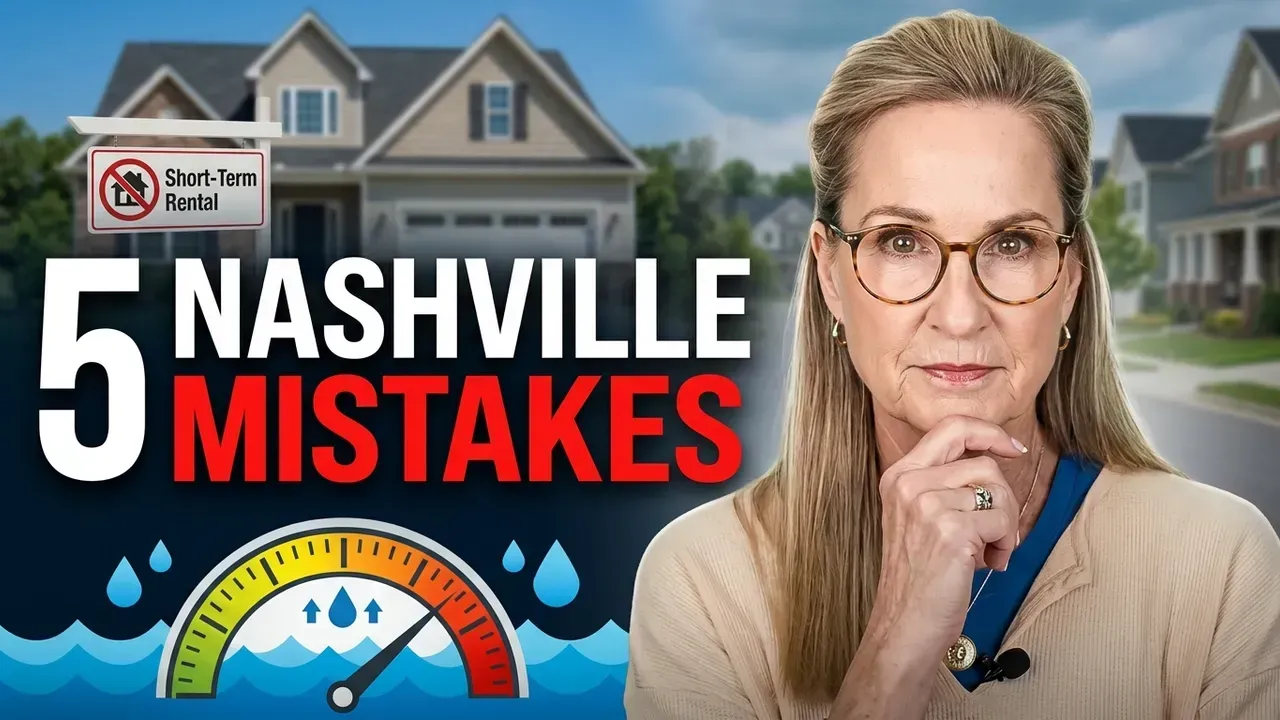
Buying a home in Nashville that sits within a 100-year floodplain is a risky investment, plain and simple. A 100-year floodplain doesn't mean it floods only once every century; it means there's a 1% chance of flooding in any given year. With increasing extreme weather events, these areas are seeing more frequent and severe flooding.
- Insurance Costs: Flood insurance is separate from standard homeowner's insurance and can be incredibly expensive, potentially adding hundreds of dollars to your monthly housing costs. Mortgage lenders will often require it, making it non-negotiable.
- Damage & Repair: Even minor flooding can cause significant damage to foundations, electrical systems, and interior finishes, leading to costly repairs and potential long-term structural issues.
- Resale Value: Properties in floodplains often have a lower resale value and can be harder to sell, as future buyers will face the same insurance and risk concerns. This can significantly impact your long-term equity. Understanding the changing landscape of Nashville is key to making informed decisions, especially when considering areas prone to natural disasters or undergoing significant development. You might find further insights into the city's future in [5 HUGE Changes Coming To NASHVILLE Tennessee in 2026!🤯 [What You NEED To Know!]](https://www.youtube.com/watch?v=2BqiirGdD3M), which could highlight areas to either embrace or approach with caution.
4. Rural Properties with Propane Tank Issues
While Nashville is a bustling city, many buyers look to the surrounding rural areas for more space and a quieter lifestyle. These areas often rely on propane for heating, cooking, or water heating. While not inherently bad, properties with old, poorly maintained, or improperly installed propane tanks can pose serious risks.
- Safety Hazards: Leaking propane is highly flammable and explosive. Old tanks can rust, valves can fail, and lines can degrade, leading to dangerous situations.
- Environmental Cleanup: A significant propane leak can contaminate the soil and groundwater, leading to extremely costly environmental remediation that could fall on the homeowner.
- Maintenance & Costs: Propane tanks require regular inspection and maintenance. If the current tank is old, you might be looking at the cost of replacement, which is substantial. Always inquire about the tank's age, maintenance history, and ownership (leased or owned).
5. Over-the-Top Renovations
Everyone loves a beautifully renovated home, but there's a fine line between tasteful upgrades and "over-the-top" renovations that actually hurt a home's value. These are often highly personalized, trendy, or luxury-grade updates that don't align with the neighborhood's standard or appeal to a broad buyer base.
- Poor Resale Value: While you might love your custom-built indoor waterfall or a kitchen designed for a Michelin-star chef, future buyers might not. Over-customized homes can be harder to sell because they appeal to a very niche market, and buyers often don't want to pay a premium for features they don't value or plan to change.
- Hidden Poor Workmanship: Sometimes, an overly flashy renovation can mask shoddy underlying work. Cosmetic changes can be cheap, but if the structural, electrical, or plumbing work wasn't done correctly, you're buying a ticking time bomb. Always look beyond the aesthetics.
- Neighborhood Comps: A house that is significantly more expensive or luxurious than every other home on the block will struggle to appraise for its value, making financing difficult for future buyers and limiting your potential profit. This is a crucial aspect of real estate investing. If you're wondering about the overall appeal of the city, especially in the context of recent trends, consider diving into [Why is Everyone Leaving NASHVILLE Tennessee? [Should You MOVE Here?!]](https://www.youtube.com/watch?v=qfy8gGYPxuE), which provides a broader perspective on Nashville's population dynamics and desirability.
Nashville Real Estate Mistakes to Avoid: Your Due Diligence Checklist
Avoiding these types of houses in Nashville comes down to thorough due diligence. Don't let the excitement of finding a home overshadow the critical steps needed to protect your investment. Here’s a quick checklist to guide your Nashville home buying process:
- Get a Comprehensive Home Inspection: This is non-negotiable. Hire an independent, highly-rated inspector who will scrutinize every aspect of the property, from foundation to roof, and all systems in between.
- Request Seller Disclosures: Sellers are legally obligated to disclose known issues. Read these documents carefully and ask follow-up questions.
- Review Permits and Renovation History: Ask for proof of permits for any significant work done on the house. Unpermitted work can lead to code violations and potential safety issues.
- Check Flood Maps: Verify the property's flood zone status through FEMA maps. Your realtor can assist with this.
- Understand the Neighborhood Comps: Work with your realtor to analyze comparable sales in the area to ensure the home's value aligns with the market.
- Don't Rush: Take your time. A rushed decision is often a regretted one. Ensure all your questions are answered and all inspections are completed to your satisfaction.
Remember, your real estate agent is your most valuable asset in this process. A knowledgeable local expert can help you navigate these complexities and identify potential problems before they become your problems.
Buying a Home in Nashville Guide: Next Steps for a Smart Purchase
Successfully buying a home in Nashville requires more than just avoiding bad properties; it means proactively seeking out the right resources and support. Whether you're moving to Nashville, Brentwood, Franklin, Mt. Juliet, Hendersonville, or any of the vibrant nearby areas, having a team of dedicated professionals can make all the difference.
- Get Your Free Relocation Guide: This invaluable resource provides essential information for anyone considering a move to the Nashville area. It's packed with local insights to help you get started on the right foot. Download your FREE Relocation Guide here.
- Secure Your Financing: Understanding your budget and securing pre-approval is a crucial first step. Connect with a trusted mortgage specialist who understands the Nashville market.
- Protect Your Investment with Insurance: Don't wait until the last minute to get insurance quotes. An independent agency can help you find the best coverage for your new home.
- Partner with a Local Real Estate Expert: An experienced local realtor is your eyes and ears on the ground. They can guide you through listings, negotiate on your behalf, and provide critical local market insights.
Nashville offers incredible opportunities for homeowners, but like any major real estate market, it comes with its unique set of challenges. By being informed, vigilant, and working with experienced professionals, you can confidently navigate the buying process and find a home that brings you joy and a solid investment for years to come.
📷 View Image: white and red concrete building
Frequently Asked Questions (FAQ)
Q: What types of homes should I avoid in Nashville?
A: You should be cautious of older homes without documented updates, properties with potential hidden issues like severe plumbing or electrical problems, homes located in a 100-year floodplain, rural properties with uninspected or problematic propane tanks, and houses with overly personalized or "over-the-top" renovations that might hurt resale value.
Q: What are common real estate mistakes in Nashville?
A: Common mistakes include not getting a comprehensive home inspection, neglecting to review seller disclosures and permit history, failing to check flood maps, overpaying for a home due to emotional buying, and not working with an experienced local real estate agent who understands Nashville's unique market nuances.
Q: Are older homes in Nashville a good investment?
A: Older homes can be a good investment if they have been well-maintained and have documented updates to major systems (plumbing, electrical, HVAC). Without this documentation, they carry significant risks of costly repairs and hidden issues, making them a potentially poor investment unless factored into the purchase price.
Q: How can I spot hidden issues when buying a house in Nashville?
A: The best way to spot hidden issues is to hire a qualified and independent home inspector. Also, look for subtle signs like fresh paint covering water stains, musty odors, flickering lights, low water pressure, or signs of past water damage. Always ask for seller disclosures and permit history for any major renovations.
Q: What areas of Nashville are in a floodplain?
A: Specific areas of Nashville are designated within floodplains, particularly along the Cumberland River and its tributaries. It's crucial to check FEMA flood maps for any property you are considering, as flood risks can vary even within the same neighborhood. Your real estate agent can help you access and interpret these maps.
Making Your Move Easier
Moving forward does not have to be overwhelming. With the right guidance and support, you can navigate this journey smoothly. Bit is ready to help you every step of the way.
Here's how to get in touch:
📧 Email: susan@susanthetford.com
📞 Phone: 629.280.2622
💻 YouTube: [Living In Nashville Tennessee [The Original!!]](https://www.youtube.com/channel/UCjGn81xP5XNqWnBquNk7FoQ)

Susan Thetford
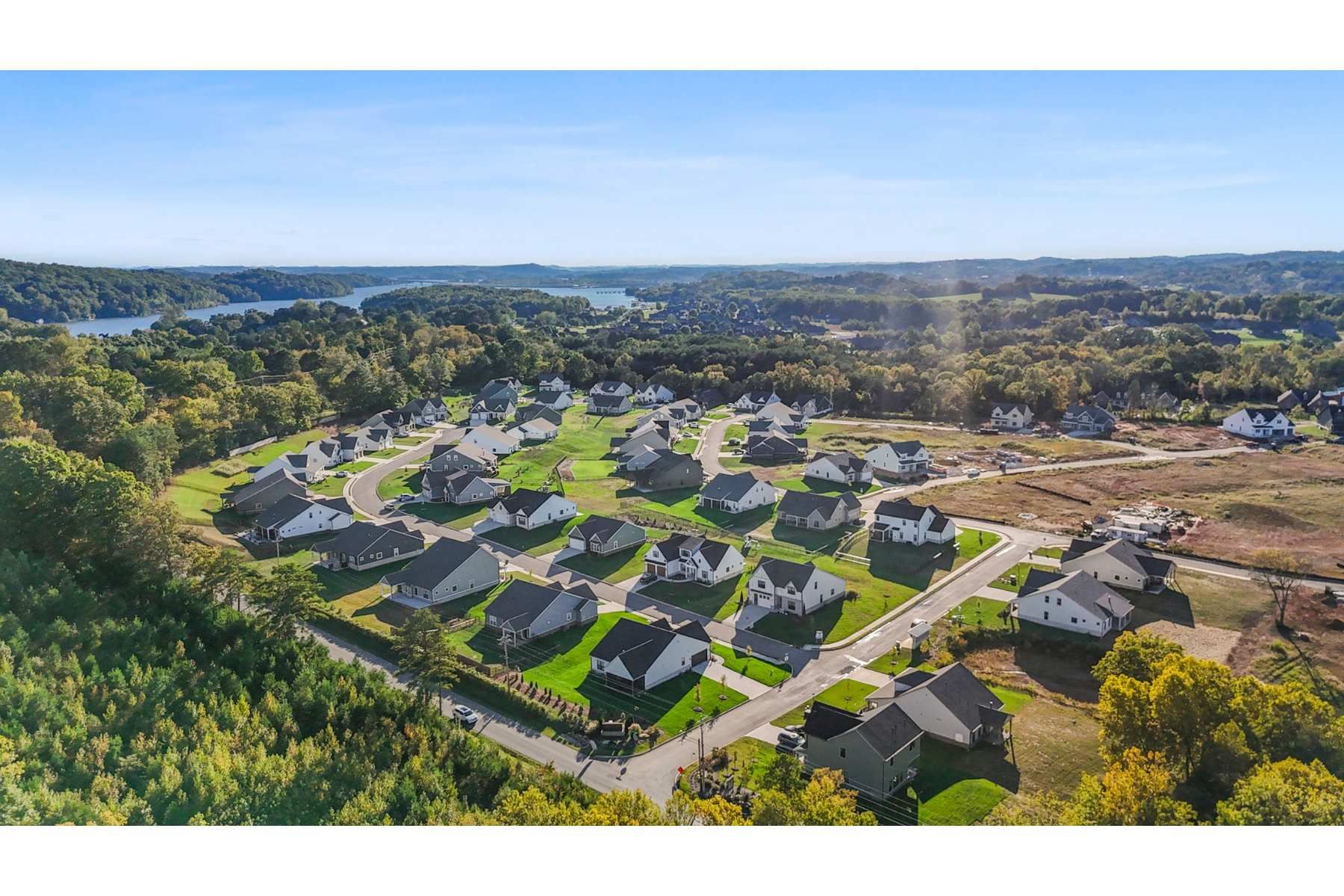
As a Nashville native, real estate agent, and retired general contractor, I bring a unique perspective to home buying and selling. My background allows me to help clients understand a home’s true potential, costs, and value—beyond what meets the eye.
With my mother-daughter real estate team, we provide a seamless, client-first experience with personalized service and expert guidance.
Read our
Latest Blogs